

Smart devices are everywhere now. They open doors. They track trucks. They run cameras. They help hospitals, factories, stores, schools, and homes. That is wonderful. It is also a little scary. Every connected device can become a tiny doorway for trouble. Cisco cybersecurity helps lock those doorways, watch them, and keep the network safe.
TLDR: Cisco helps protect IoT devices by finding them, checking what they do, and stopping risky behavior. It uses tools like Cisco Cyber Vision, Cisco Identity Services Engine, firewalls, cloud security, and threat intelligence. It also separates devices into safe zones, so one hacked gadget cannot cause a big mess. In simple words, Cisco gives IoT networks eyes, locks, guards, and rules.
What Is IoT, Anyway?
IoT means Internet of Things. It is a fancy name for “stuff that connects to the internet.”
These things can include:
- Security cameras
- Smart lights
- Thermostats
- Medical scanners
- Factory robots
- Door locks
- Printers
- Delivery trackers
- Smart shelves in stores
These devices are useful. They collect data. They save energy. They make work faster. They can even save lives.
But many IoT devices are small and simple. Some were not built with strong security. Some use old software. Some have weak passwords. Some cannot be updated easily. That makes them tempting targets for cybercriminals.

Why IoT Security Is Hard
Protecting laptops is one thing. Protecting thousands of tiny devices is another thing.
Think about a big hospital. It may have heart monitors, cameras, badge readers, medicine fridges, tablets, scanners, and smart beds. Each device talks on the network. Each may use a different system. Some cannot stop working, not even for a minute.
Now think about a factory. It may have sensors, robots, pumps, valves, and machines that run all day. If security blocks the wrong thing, production may stop. That can cost a lot of money.
This is why IoT security needs to be smart. It must protect devices without breaking them. It must see what is happening. It must act fast. And it must be simple enough for busy teams to use.
Cisco Starts With Visibility
You cannot protect what you cannot see. This is the first big rule.
Many companies do not know how many IoT devices are on their network. A new camera may appear. A vendor may plug in a sensor. An old printer may still be running in a corner. Surprise devices are not fun. They are like mystery guests at a party. Some are nice. Some may steal the snacks.
Cisco helps teams discover devices. Tools like Cisco Cyber Vision can identify industrial and IoT assets. It can show what devices are connected. It can show how they talk. It can show what normal behavior looks like.
This gives security teams a clear map. They can answer simple but important questions:
- What devices do we have?
- Where are they?
- Who are they talking to?
- Are they behaving normally?
- Are they using risky software?
That is a big win. Visibility turns a dark room into a bright room.
Device Identity Is Like a Name Tag
Once Cisco helps find devices, the next step is identity. Every device needs a name tag.
Cisco Identity Services Engine, often called Cisco ISE, helps with this. It can identify users and devices. It can decide what each device is allowed to do.
For example, a smart camera should send video to the right server. It should not talk to payroll systems. A thermostat should not access patient records. A printer should not wander around the network like a curious raccoon.
With Cisco ISE, teams can create access rules. These rules say, “This device can go here, but not there.” That is safer. It also makes the network easier to manage.
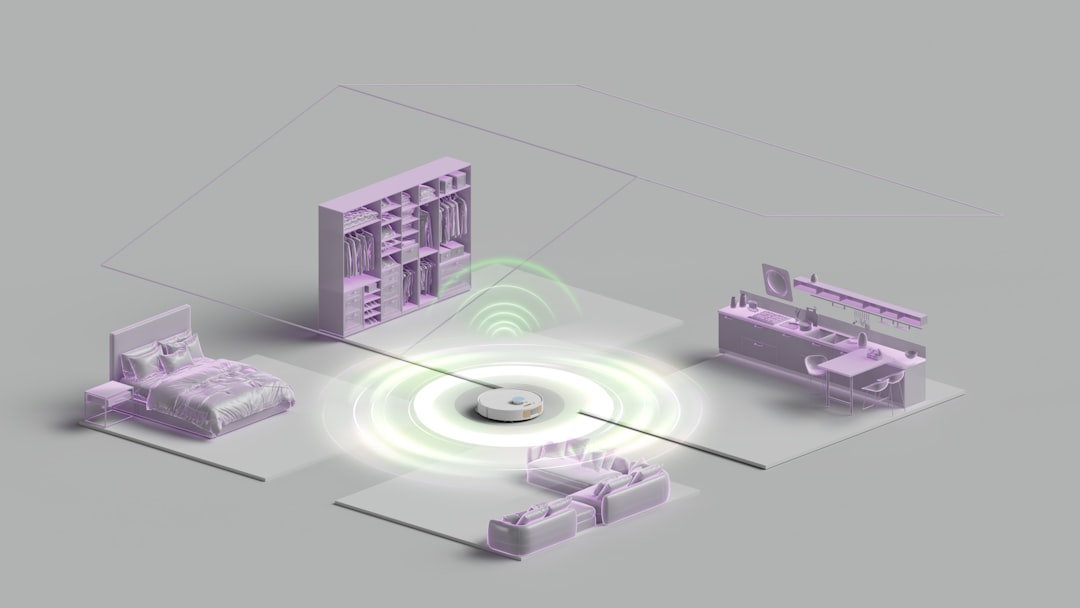
Segmentation Builds Safe Rooms
Now comes one of the best tricks in cybersecurity: segmentation.
Segmentation means splitting a network into smaller zones. It is like putting walls and doors inside a building. If something bad happens in one room, it does not spread everywhere.
This matters a lot for IoT. If a camera gets hacked, it should not give attackers access to the whole company. It should stay trapped in its own safe zone.
Cisco supports segmentation with tools such as:
- Cisco ISE for access control
- Cisco TrustSec for group based rules
- Cisco Secure Firewall for traffic control
- Software defined networking for flexible policy
Segmentation is simple in idea. It says, “Stay in your lane.” Devices that need to talk can talk. Devices that do not need to talk are kept apart.
Cisco Watches for Weird Behavior
Good security does not just set rules and take a nap. It keeps watching.
IoT devices often have predictable behavior. A badge reader checks badges. A sensor sends small data updates. A robot talks to a control system. When one device suddenly acts strange, that can be a warning sign.
Maybe a camera starts sending huge amounts of data to an unknown server. Maybe a smart light tries to scan the network. Maybe a factory sensor starts talking at a strange time.
Cisco tools can help spot these odd patterns. Cisco Secure Network Analytics looks at network traffic and searches for unusual activity. It does not need to read every secret message. It can watch the patterns. It can notice when something feels off.
This is like a lifeguard at a pool. The lifeguard does not need to know every swimmer’s name. But the lifeguard can spot if someone is struggling.
Cisco Uses Threat Intelligence
Cybercriminals move fast. They invent new tricks. They reuse old tricks. They share tools. They chase weak devices.
Cisco has a huge threat research team called Cisco Talos. Talos studies malware, attacks, harmful websites, botnets, and new threats. It gathers information from many places. Then Cisco security tools can use that knowledge.
This helps IoT protection in a big way. If Talos finds a dangerous server, Cisco tools can block traffic to it. If a new attack pattern appears, Cisco systems can learn from it. If a known bad file shows up, Cisco can help stop it.
Think of Talos like a weather service for cyber storms. It watches the skies. It warns the team. It helps people prepare before lightning hits.
Firewalls Guard the Gates
A firewall is like a security guard at a gate. It checks traffic. It allows good traffic. It blocks bad traffic.
Cisco Secure Firewall helps protect IoT networks by controlling what can enter and leave. It can block known threats. It can inspect traffic. It can enforce security rules between network zones.
This is helpful for offices, factories, hospitals, and stores. IoT devices often need to connect to apps, servers, or cloud services. Firewalls help make sure they connect safely.
A strong firewall does not just say yes or no. It looks at context. It can ask:
- Where is this traffic coming from?
- Where is it going?
- What type of app is being used?
- Is this device allowed to do this?
- Is there a known threat involved?
That makes the gate much smarter.
Cloud Security Helps Remote Devices
Not every IoT device sits inside one building. Some are in trucks. Some are in shops. Some are at branch offices. Some may connect through many networks.
Cisco cloud security can help here. Cisco Umbrella protects users and devices by blocking dangerous internet destinations. It can stop connections to known bad domains before damage happens.
This is useful because many attacks need the internet. A hacked IoT device may try to call a command server. Umbrella can block that call. No call means fewer problems.
Cisco also supports secure access for modern networks. This helps companies protect devices and users wherever they are.
Multi Factor Authentication Protects People Too
IoT security is not only about devices. People matter too.
Admins manage IoT platforms. Technicians update devices. Vendors may need remote access. If an attacker steals a password, that can be dangerous.
Cisco Duo helps protect logins with multi factor authentication. This means a password is not enough. A user may also need to approve a login on a trusted device.
It is like needing both a key and a secret handshake. Much harder for bad guys.
Zero Trust Means “Check First”
Zero Trust sounds dramatic. But the idea is simple. Do not trust automatically. Always check.
In an IoT network, Zero Trust means devices must prove who they are. Users must prove who they are. Access should be limited. Behavior should be watched.
Cisco helps support this model through identity, segmentation, analytics, firewalls, and secure access tools. The goal is not to make life harder. The goal is to make risky access much smaller.
Zero Trust is like a polite bouncer. It does not panic. It just says, “Show me your badge, please.”

Industrial IoT Needs Extra Care
Industrial IoT is special. It includes factories, power plants, water systems, oil sites, and transportation systems. These places use operational technology, also called OT.
OT devices control real world processes. They move machines. They open valves. They watch pressure. They keep production lines running.
That means security must be careful. You cannot scan or block things blindly. You might stop a machine. You might create safety risks.
Cisco Cyber Vision is built for industrial settings. It helps teams see industrial assets and understand industrial communication. It gives useful security insight without causing chaos.
This helps IT and OT teams work together. IT teams understand cybersecurity. OT teams understand machines and operations. Cisco gives both sides a shared view. That is powerful.
Fast Response Makes a Big Difference
Even with great defense, problems can happen. The key is to respond fast.
Cisco security tools can share information. A device may look risky. Analytics may spot strange traffic. A firewall may see a threat. Identity tools may change access. Together, these tools help teams act quickly.
Cisco XDR can help connect alerts and events across security tools. XDR stands for extended detection and response. It helps teams see attacks across users, devices, networks, email, cloud, and endpoints.
That saves time. It reduces noise. It helps security teams focus on what matters.
Simple Example: The Sneaky Camera
Imagine a smart camera in a warehouse. It is supposed to send video to one server.
One day, it starts contacting a strange website. Then it scans other devices. Uh oh. That is not normal camera behavior.
With Cisco protection, several things can happen:
- Visibility shows the camera exists.
- Identity rules limit what it can access.
- Segmentation keeps it away from important systems.
- Analytics spots the weird behavior.
- Threat intelligence flags the bad destination.
- Firewall rules block harmful traffic.
- Response tools help the team investigate.
The camera may still be a problem. But it is a small problem. Not a company wide disaster.
Why This Matters
IoT devices are only growing. More sensors. More cameras. More smart tools. More data. More automation.
That means more value. It also means more risk.
Cisco cybersecurity helps organizations enjoy IoT without inviting chaos. It brings together visibility, identity, segmentation, firewalls, analytics, cloud protection, threat intelligence, and response.
In plain language, Cisco helps answer four big questions:
- What is on my network?
- Should it be there?
- What is it doing?
- How do we stop it if it goes bad?
Final Thoughts
IoT does not have to feel like a wild jungle of blinking gadgets. With the right protection, it can feel more like a smart city with traffic lights, maps, guards, and emergency teams.
Cisco cybersecurity gives IoT networks structure. It helps devices behave. It blocks known danger. It spots strange activity. It limits damage. It helps teams respond.
That is the real magic. Not magic like rabbits in hats. Magic like a well organized toolbox.
Connected devices can do amazing things. They just need strong protection. Cisco helps give them that protection, one device, one rule, and one smart alert at a time.