Professional esports athletes are no longer confined to bedrooms and local gaming cafés. With the explosive growth of global tournaments, bootcamps, and outdoor brand-sponsored events, many pro gamers now find themselves traveling extensively, sometimes even camping near large festival-style competition venues. While competitive gaming is mentally demanding, thriving in a semi-outdoor or temporary environment adds another layer of complexity. Preparing properly can mean the difference between peak performance and early elimination.
TLDR: Competitive esports events hosted in outdoor or temporary venues require serious logistical and mental preparation. Pro gamers must prioritize reliable power, stable connectivity, ergonomic comfort, health routines, and secure equipment transport. Proper planning reduces stress and protects performance. Treat competitive travel like athletic training camp—structured, disciplined, and optimized for focus.
Esports camping is not about roughing it — it is about creating a controlled, performance-driven environment under less-than-ideal conditions. Below is a comprehensive, professional guide designed to help pro gamers and teams maintain competitive integrity wherever tournaments take them.
Understanding the Environment
Outdoor esports festivals and temporary competition arenas introduce variables that traditional indoor venues do not. These include:
- Temperature fluctuations that impact hardware performance
- Humidity and dust exposure that threaten sensitive electronics
- Inconsistent power sources
- Unstable or congested internet connections
- Increased physical fatigue due to sleep and environment changes
Recognizing these early allows you to create mitigation strategies instead of reacting to problems mid-competition.
Image not found in postmetaPower Management: Your Lifeline
Without stable electricity, competitive play is impossible. Even minor fluctuations can cause hardware throttling or system crashes at critical moments.
Recommended Power Strategy:
- High-quality surge protectors with blackout protection
- Uninterruptible Power Supply (UPS) units for PCs and monitors
- Portable power stations as redundancy
- Dedicated extension cables clearly labeled for your setup
Do not rely solely on event organizers for power stability. Even professionally arranged events can experience overload during peak usage hours.
Internet Stability and Backup Systems
Latency is everything in competitive gaming. Outdoor tournaments often strain local infrastructure, especially if thousands of attendees are using the same network.
Best Practices Include:
- Bringing a dedicated mobile hotspot with 5G capability
- Using ethernet cables instead of Wi-Fi wherever possible
- Testing ping and packet loss during low- and high-traffic hours
- Pre-installing updates to avoid large downloads onsite
Professional teams assign a technical manager to monitor real-time connection stability. If you compete independently, invest in monitoring software that alerts you to packet instability before it affects performance.
Hardware Protection and Transportation
Travel and outdoor exposure are serious risks to expensive gaming equipment. Proper transport and shielding should be treated as non-negotiable.
Essential Protective Gear:
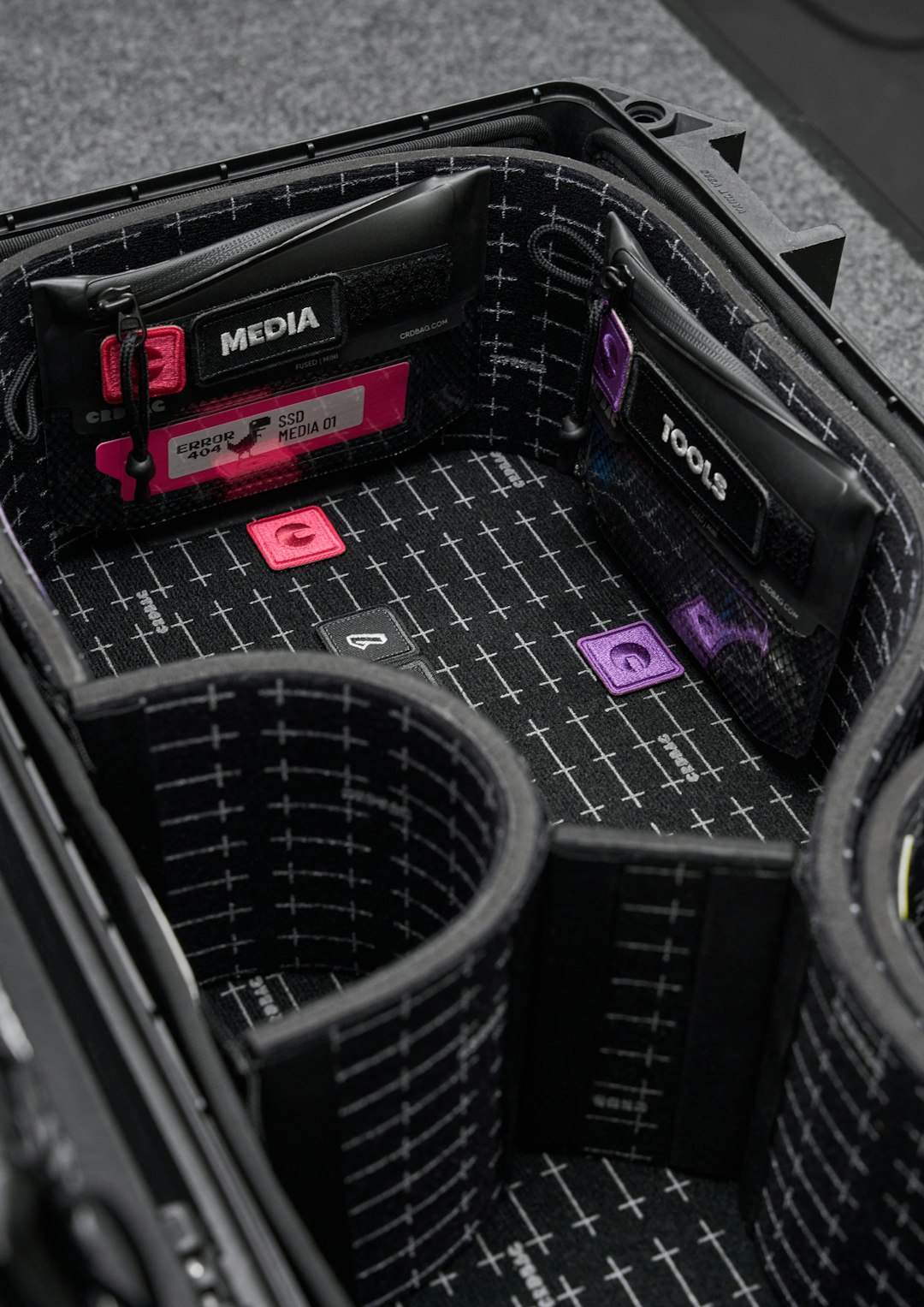
- Hard-shell cases with foam interiors for PCs and monitors
- Water-resistant keyboard and peripheral covers
- Compressed air for dust removal
- Microfiber cloths and thermal-safe cleaning kits
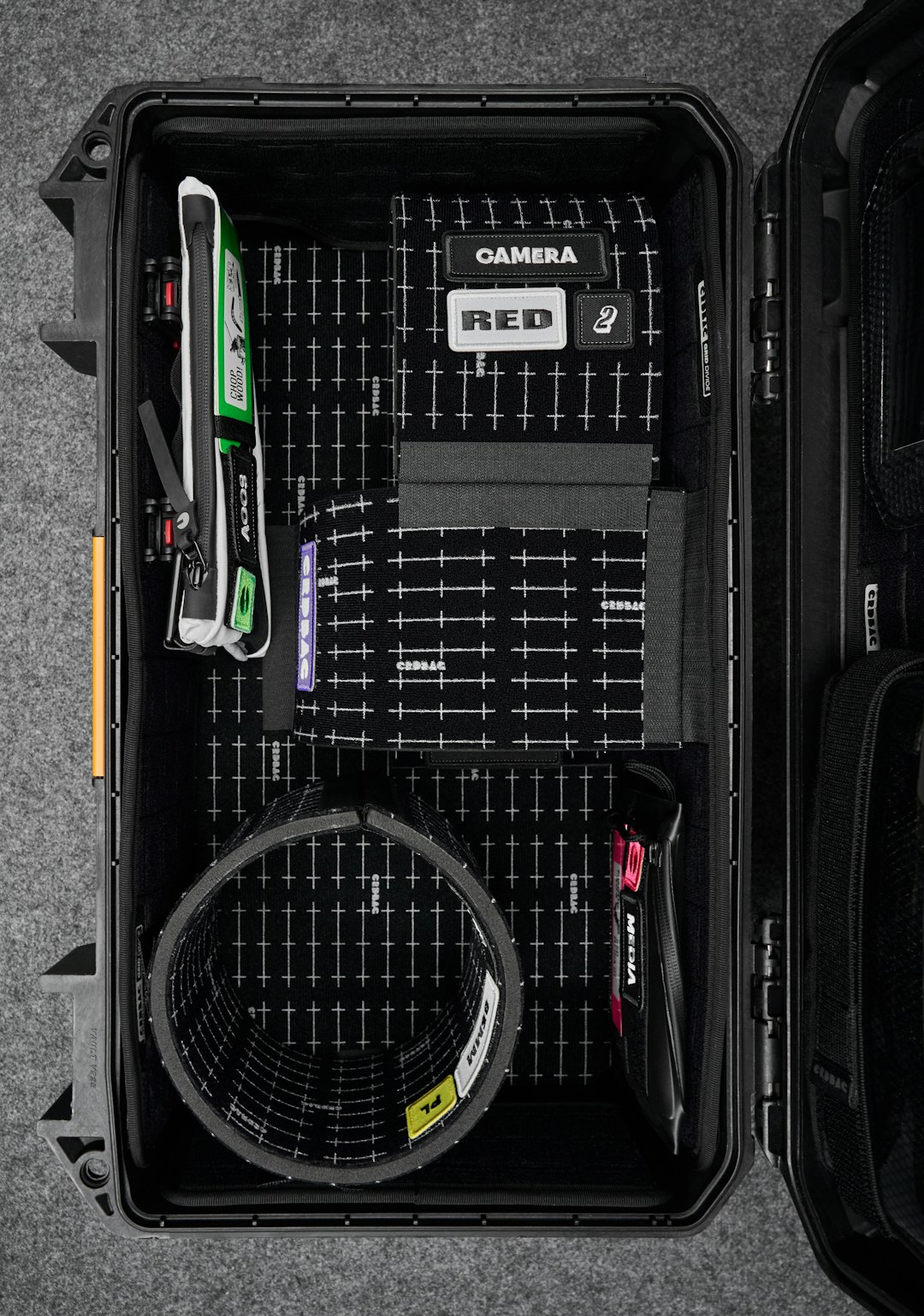
Dust is especially damaging in open-air environments. Fine particles can clog fans, impair cooling, and reduce hardware lifespan. Conduct daily cleaning checks during multi-day tournaments.
Ergonomics in Temporary Setups
Your mechanical skill and reaction times depend heavily on comfort. Temporary venues often provide inconsistent chairs and desk heights, which can negatively affect posture and endurance.
Bring Whenever Permitted:
- Your own ergonomic gaming chair or lumbar support cushion
- A foldable footrest
- Your preferred mousepad with consistent surface texture
- Wrist supports to prevent strain
Even slight differences in mousepad friction or desk height can impact muscle memory. Elite players reduce variability wherever possible.
Sleep and Recovery Discipline
Outdoor events frequently resemble festivals: noise, crowds, and irregular schedules are common. However, cognitive clarity is a competitive weapon. Lack of sleep slows reflexes and decision-making accuracy.
Recovery Protocol:
- Noise-cancelling headphones or earplugs
- Sleep masks to block ambient lighting
- A fixed sleep schedule regardless of event timing
- Avoiding caffeine at least six hours before sleep
Professional gamers increasingly work with performance coaches who monitor sleep cycles using wearable trackers. Even without advanced tools, consistency is key.
Nutrition and Hydration Strategy
Energy drinks and fast food are associated with gaming culture, but they are detrimental in demanding competition settings. Outdoor venues often limit healthy food options, so preparation is critical.
Pack Smart Nutritional Supplies:
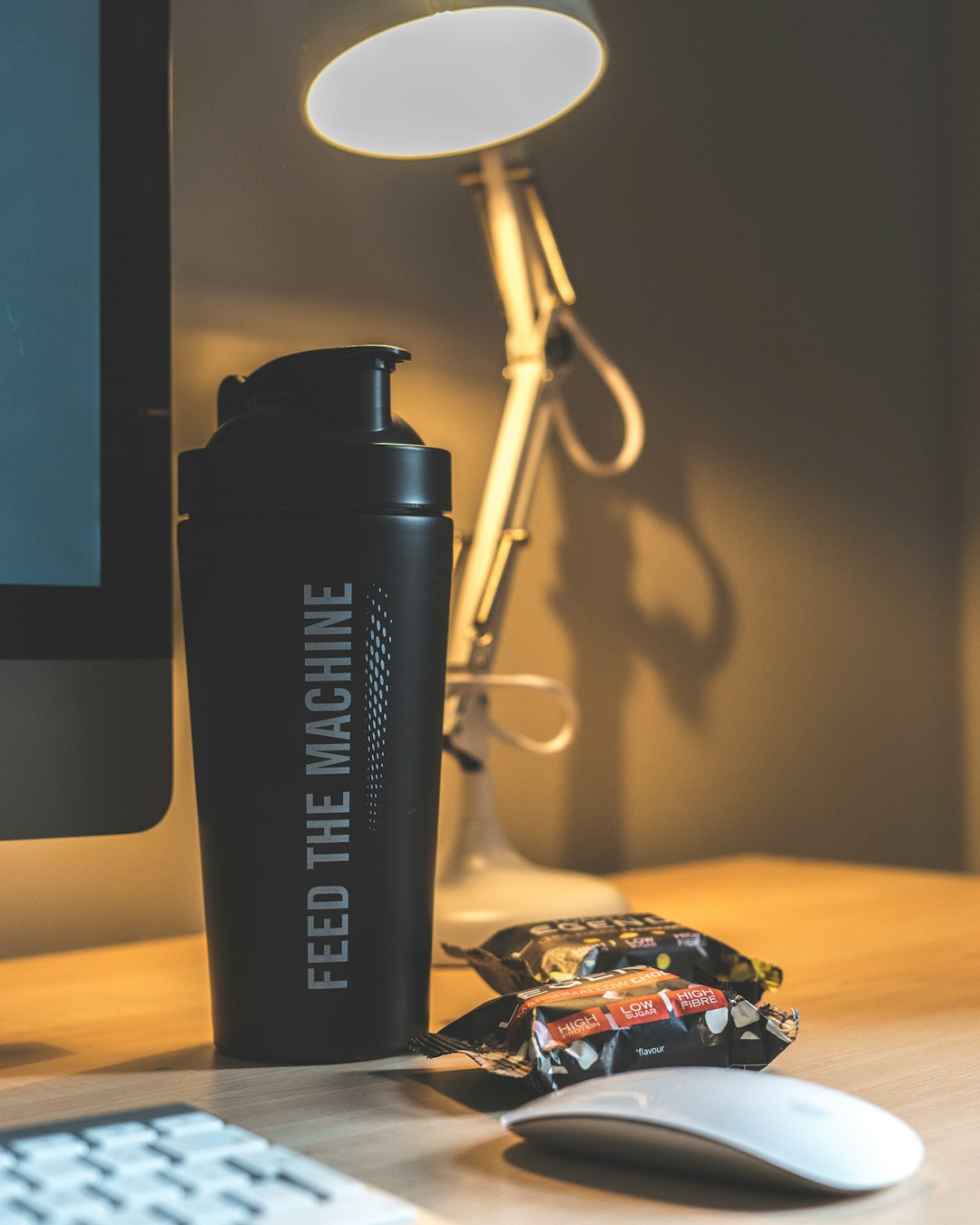
- Protein bars with low sugar content
- Mixed nuts for sustained energy
- Electrolyte hydration powders
- Reusable insulated water bottles
Dehydration directly impacts cognitive performance. Studies consistently show even mild dehydration reduces focus and processing speed.
Mental Focus Amid Distractions
Unlike closed studio environments, open competition camps are full of distractions: spectator noise, music stages, weather changes, and vendor announcements.
Focus Enhancement Tactics:
- Pre-competition breathing routines
- Structured warm-up sessions
- Short meditation periods between matches
- Visual isolation using hooded jackets or cap brims
Top-tier players develop the ability to enter a controlled mental state regardless of external conditions. This is trainable and should be practiced well before tournament day.
Team Coordination and Communication Zones
If competing as part of a team, communication control becomes crucial. Outdoor venues amplify background noise, making strategic coordination more difficult.
Recommendations:
- Closed-back, noise-isolating headsets
- Clear pre-defined callout systems
- Dedicated private discussion areas away from public spaces
Teams should conduct short daily tactical briefings to align objectives and review opponent tendencies. Structure reduces chaos.
Security and Asset Protection
Esports hardware is expensive and highly portable — making it vulnerable. Crowded festivals elevate theft risks.
Protective Measures:
- Never leave equipment unattended
- Use cable locks for PCs and monitors
- Enable device tracking software on laptops
- Maintain an inventory checklist before and after every match
Professional preparation includes anticipating worst-case scenarios. Insurance coverage for high-end setups is also recommended for frequent competitors.
Weather Readiness Plan
Unexpected rain, intense sunlight, or wind can compromise setups quickly. Even when covered by tents, environmental shifts can cause discomfort or damage.
Bring:
- Waterproof covers for cases
- Small portable fans for heat management
- Light blankets for sudden temperature drops
Heat is particularly dangerous for PCs. Monitor internal temperatures through software and shut down systems safely if overheating occurs.
Structured Daily Routine
Camping-style tournaments often blur time perception. Maintaining structure maintains professionalism.
Example Daily Framework:
- Morning hardware inspection
- 30-minute warm-up practice
- Pre-match tactical review
- Post-match cooldown analysis
- Physical stretching session
- Light evening review and sleep preparation
This routine reinforces discipline and provides psychological stability even in unpredictable environments.
Final Considerations: Professional Mindset
Esports camping is not an informal gathering — it is a high-performance field operation. The best competitors approach it with the seriousness of traditional athletes traveling for international competitions.
Success depends on:
- Preparation over improvisation
- Redundancy in critical systems
- Physical and mental discipline
- Attention to environmental detail
When elite gamers prepare thoroughly, outdoor or temporary venues become simply another controllable variable. Those who fail to plan, however, allow minor logistical issues to erode focus, confidence, and reaction speed.
In competitive esports, margins are razor-thin. A moment of distraction, a brief lag spike, or physical discomfort can eliminate months of preparation. Treat every tournament environment — whether stadium, convention hall, or open-air gaming camp — as a performance ecosystem that must be engineered for victory.
Preparation is not optional. It is a competitive advantage.