

Behind every well-run conference, fundraiser, product launch, wedding, gala, or corporate meeting is a professional who turns plans into practical results. An event coordinator is responsible for organizing the many moving parts of an event so that guests, clients, vendors, speakers, and staff experience a smooth and purposeful occasion. While the role is often associated with creativity and hospitality, it also requires disciplined planning, clear communication, financial awareness, and the ability to solve problems under pressure.
TLDR: An event coordinator manages the logistics, schedules, vendors, communication, and on-site execution of an event. Their job is to make sure the event meets its goals while staying organized, on budget, and professionally delivered. They work before, during, and after the event, handling everything from venue coordination to last-minute issues. In short, they turn an event plan into a successful real-world experience.
The Core Purpose of an Event Coordinator
An event coordinator exists to bring structure to complexity. Events may appear effortless to attendees, but behind the scenes there are contracts, timelines, seating plans, menus, technical requirements, transportation details, safety procedures, staffing needs, and contingency plans. The coordinator ensures that these elements work together instead of competing with one another.
In many organizations, the event coordinator serves as the central point of contact. Clients, vendors, internal teams, venues, speakers, sponsors, and guests may all rely on the coordinator for accurate information. This makes the role both operational and relational. A good coordinator does not simply complete tasks; they maintain confidence among everyone involved by communicating clearly and making dependable decisions.
Planning and Defining the Event
Before any supplier is booked or schedule is drafted, an event coordinator helps clarify the purpose of the event. Is it designed to educate, celebrate, raise money, launch a product, strengthen relationships, or generate sales leads? The answer shapes every later decision, from the venue to the format to the guest experience.
During the early planning stage, the coordinator may help define:
- Event objectives, such as attendance targets, fundraising goals, or audience engagement outcomes.
- Guest profile, including expected numbers, accessibility needs, expectations, and preferences.
- Budget limits and spending priorities.
- Date, time, and location, taking into account availability, seasonality, travel, and competing events.
- Event format, such as seated dinner, trade show, workshop, awards ceremony, networking reception, or hybrid event.
This stage is important because unclear goals usually lead to costly changes later. A serious event coordinator understands that strong planning reduces risk and provides a framework for sound decisions.
Budget Management
One of the most important responsibilities of an event coordinator is helping manage the budget. Even creative events must be financially controlled. The coordinator may prepare cost estimates, collect quotes, compare supplier proposals, track deposits, process invoices, and monitor spending against approved limits.
Budget categories often include venue hire, catering, audiovisual production, décor, entertainment, staffing, insurance, permits, printed materials, transportation, accommodation, security, and contingency funds. The coordinator must understand which costs are fixed, which are variable, and where savings can be made without weakening the event’s quality or safety.
Effective budget management is not simply about spending less. It is about spending wisely. For example, a high-quality sound system may be essential for a conference, while elaborate floral arrangements may be less important. The coordinator helps align spending with the event’s purpose.
Venue Selection and Coordination
The venue has a major influence on the success of an event. An event coordinator may research possible locations, arrange site visits, compare packages, review contract terms, and confirm whether the space can support the event’s technical and logistical requirements.
Key venue considerations include capacity, layout, accessibility, parking, public transport, catering rules, loading access, restrooms, emergency exits, noise restrictions, and available equipment. The coordinator also evaluates the professionalism of the venue team, because reliable venue staff can make a significant difference on event day.
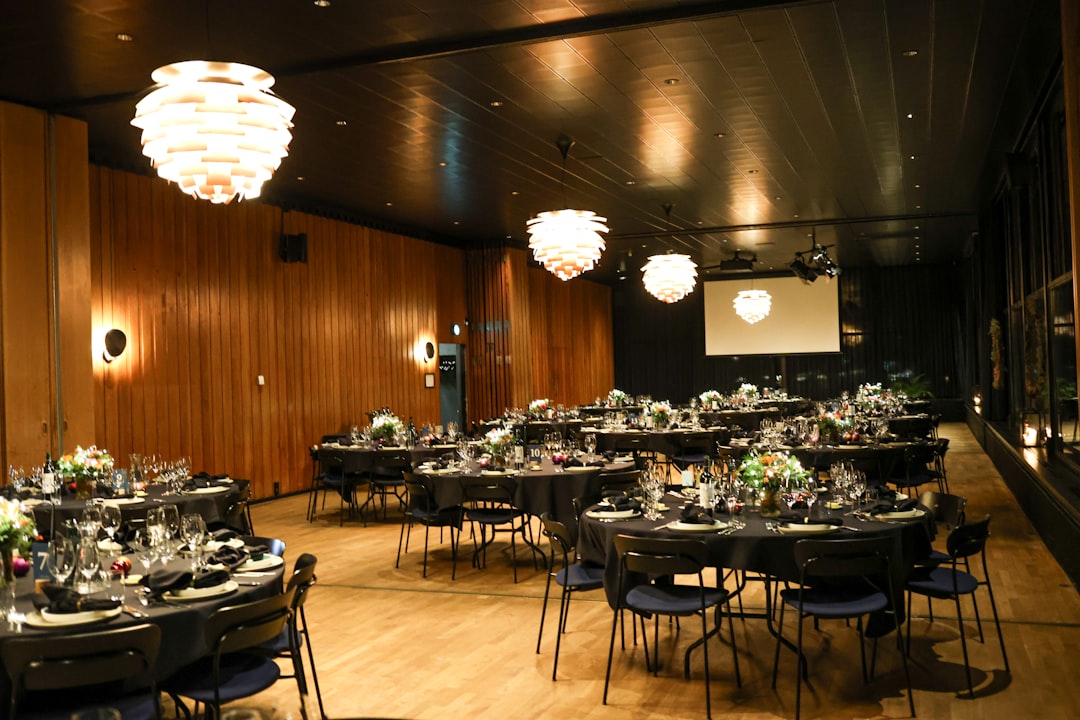
Once the venue is selected, the coordinator works with the venue manager on floor plans, schedules, setup times, catering details, safety requirements, and breakdown procedures. This coordination ensures that the venue is not just attractive, but functional.
Vendor and Supplier Management
Most events require support from external vendors. These may include caterers, florists, photographers, entertainers, rental companies, audiovisual technicians, printers, transport providers, security teams, interpreters, and cleaning crews. The event coordinator identifies what services are required, obtains proposals, confirms availability, and helps manage supplier relationships.
Vendor management involves more than booking services. The coordinator must ensure that each supplier understands the event timeline, arrival instructions, performance expectations, contact details, and payment terms. They may also review insurance certificates, permits, menus, technical specifications, and delivery schedules.
Reliable supplier coordination prevents common problems such as late deliveries, duplicated work, missing equipment, or unclear responsibilities. When vendors are properly briefed, they are better able to perform professionally.
Creating Timelines and Production Schedules
A detailed timeline is one of the event coordinator’s most valuable tools. It converts the event plan into a sequence of actions with times, responsibilities, and deadlines. There may be several timelines: a long-term planning checklist, a vendor delivery schedule, a guest-facing agenda, and a minute-by-minute run of show.
A typical event schedule might include:
- Vendor arrival and loading times.
- Room setup and décor installation.
- Sound checks and technical rehearsals.
- Registration desk opening.
- Guest arrival and welcome period.
- Meal service or refreshment breaks.
- Speeches, presentations, performances, or ceremonies.
- Networking sessions or breakout activities.
- Closing remarks and guest departure.
- Breakdown, cleanup, and final venue inspection.
The coordinator uses these schedules to keep everyone aligned. If one part of the schedule changes, the coordinator assesses the effect on other parts and communicates necessary updates quickly.
Guest Experience and Communication
Although much of the coordinator’s work happens behind the scenes, the guest experience is always a central concern. Attendees should know where to go, what to expect, how to register, when activities begin, and whom to contact for help. Confusion can reduce satisfaction even when the event content is strong.
An event coordinator may support guest communication through invitations, registration forms, confirmation emails, signage, seating charts, name badges, information desks, mobile event apps, or printed programs. They may also coordinate special requirements such as dietary restrictions, mobility access, language interpretation, VIP handling, or family accommodations.
A well-coordinated event feels welcoming because details have been anticipated. Guests may not notice the planning directly, but they notice when arrival is easy, staff are informed, meals are served on time, and the program flows naturally.
On-Site Event Management
On the day of the event, the coordinator becomes the operational lead. This is where preparation is tested. The coordinator checks that vendors arrive as scheduled, rooms are set correctly, equipment works, staff understand their duties, signage is placed properly, and the program begins on time.
On-site responsibilities may include directing setup teams, answering vendor questions, adjusting room layouts, guiding speakers, managing registration, monitoring catering service, confirming technical cues, and keeping the event owner informed. The coordinator often carries a master schedule, contact list, floor plan, radio, phone charger, emergency kit, and backup copies of key documents.
Professional event coordinators remain calm when issues arise. If a speaker is late, a microphone fails, a meal count changes, or weather disrupts an outdoor plan, the coordinator must respond quickly and discreetly. Their goal is to protect the guest experience and keep the event moving.
Risk Management and Contingency Planning
Events involve risk. Some risks are minor, such as late floral delivery. Others are serious, such as medical emergencies, crowd control problems, severe weather, power outages, or security threats. A responsible event coordinator identifies likely risks in advance and prepares practical responses.
Risk management may include confirming emergency exits, briefing staff on evacuation procedures, arranging first aid support, checking insurance coverage, preparing rain plans, securing permits, and ensuring compliance with venue rules and local regulations. For larger events, the coordinator may work with security professionals, local authorities, medical teams, or compliance officers.
Contingency planning is a mark of professionalism. It does not mean expecting failure; it means respecting the seriousness of bringing people together in a shared space.
Coordination With Internal Teams
In corporate, nonprofit, academic, and government settings, an event coordinator often works closely with internal departments. Marketing may handle promotion, finance may approve payments, leadership may define goals, legal may review contracts, and communications teams may manage public messaging.
The coordinator helps connect these departments so that decisions are made on time and information is consistent. For example, if marketing promises a VIP reception, the coordinator must ensure the venue, catering, staffing, and budget can support it. If leadership changes the agenda, the coordinator must update vendors, speakers, signage, and guest communications.
This cross-functional role requires diplomacy. Event coordinators must be organized enough to track details and tactful enough to work with people who may have different priorities.
Skills an Event Coordinator Needs
Successful event coordinators combine practical, interpersonal, and strategic skills. The work is fast-moving and detail-heavy, but it also requires good judgment and emotional control.
- Organization: Coordinators manage numerous details, deadlines, documents, and contacts.
- Communication: They must give clear instructions and keep stakeholders informed.
- Problem-solving: Unexpected issues are common, and solutions must often be found quickly.
- Budget awareness: Coordinators need to understand costs, priorities, and financial limits.
- Negotiation: They may compare proposals, discuss terms, and seek value from suppliers.
- Attention to detail: Small oversights can affect timing, safety, comfort, or professionalism.
- Calm under pressure: The event environment can be demanding, especially during live execution.
- Customer service mindset: Guests, clients, sponsors, and speakers should feel respected and supported.
Administrative and Post-Event Duties
The work does not end when guests leave. After the event, the coordinator may oversee breakdown, confirm that rented items are returned, review vendor invoices, collect feedback, prepare reports, and document lessons learned. These tasks help close the event properly and improve future planning.

Post-event evaluation may include attendance numbers, budget performance, guest satisfaction, sponsor visibility, fundraising totals, lead generation results, or operational issues. A serious coordinator values this review because it turns experience into better systems.
Event Coordinator vs. Event Planner
The terms event coordinator and event planner are sometimes used interchangeably, but there can be a distinction. An event planner is often more involved in the early creative concept, strategy, design, and overall event vision. An event coordinator may focus more heavily on logistics, implementation, vendor communication, and on-site execution.
In smaller organizations or independent roles, one person may perform both functions. In larger events, planners, coordinators, producers, designers, marketers, and operations managers may work as part of a broader event team. What matters most is that responsibilities are clearly assigned.
Why the Role Matters
An event is a live experience. Unlike a document or digital campaign, it cannot simply be revised after release. Once guests arrive, the event must function in real time. This is why the coordinator’s role is so important. They reduce uncertainty, protect the client’s goals, support vendors, guide staff, and help guests experience the occasion as intended.
A skilled event coordinator brings order, accountability, and professionalism to situations that can otherwise become chaotic. Their work may be most visible when something goes wrong and is handled smoothly, but their greatest value is often preventive: the problems that never happen because they were anticipated in advance.
Ultimately, an event coordinator does far more than manage a checklist. They translate objectives into action, align people and resources, and safeguard the quality of the event from planning through completion. Whether the event is small and private or large and public, the coordinator’s contribution is essential to making it organized, credible, and successful.