

Imagine your phone is at 2%. Your electric scooter is blinking red. Your home backup battery is tired. Now imagine you do not need to wait for charging. You simply swap your empty battery for a full one. Like trading an empty soda cup for a fresh drink. That is the big idea behind battery sharing technology. It sounds futuristic, but it is already happening.
TLDR: Battery sharing lets people use shared batteries instead of owning one battery forever. When a battery is empty, you swap it for a charged one at a station. It saves time, lowers costs, and helps electric vehicles and devices stay moving. It is like a library, but for energy.
What Is Battery Sharing?
Battery sharing is a system where batteries are treated as shared resources. You do not always own the battery. You use it when you need it. Then you return it, replace it, or recharge it through a shared network.
Think of it like a bike sharing service. You pick up a bike in one place. You ride it. Then you drop it off somewhere else. Battery sharing works in a similar way. But instead of bikes, the system shares charged batteries.
This idea is very useful for electric vehicles. It is also useful for scooters, delivery bikes, power tools, phones, drones, and even home energy systems.
Charging can be slow. Battery swapping can be fast. That is the magic trick.
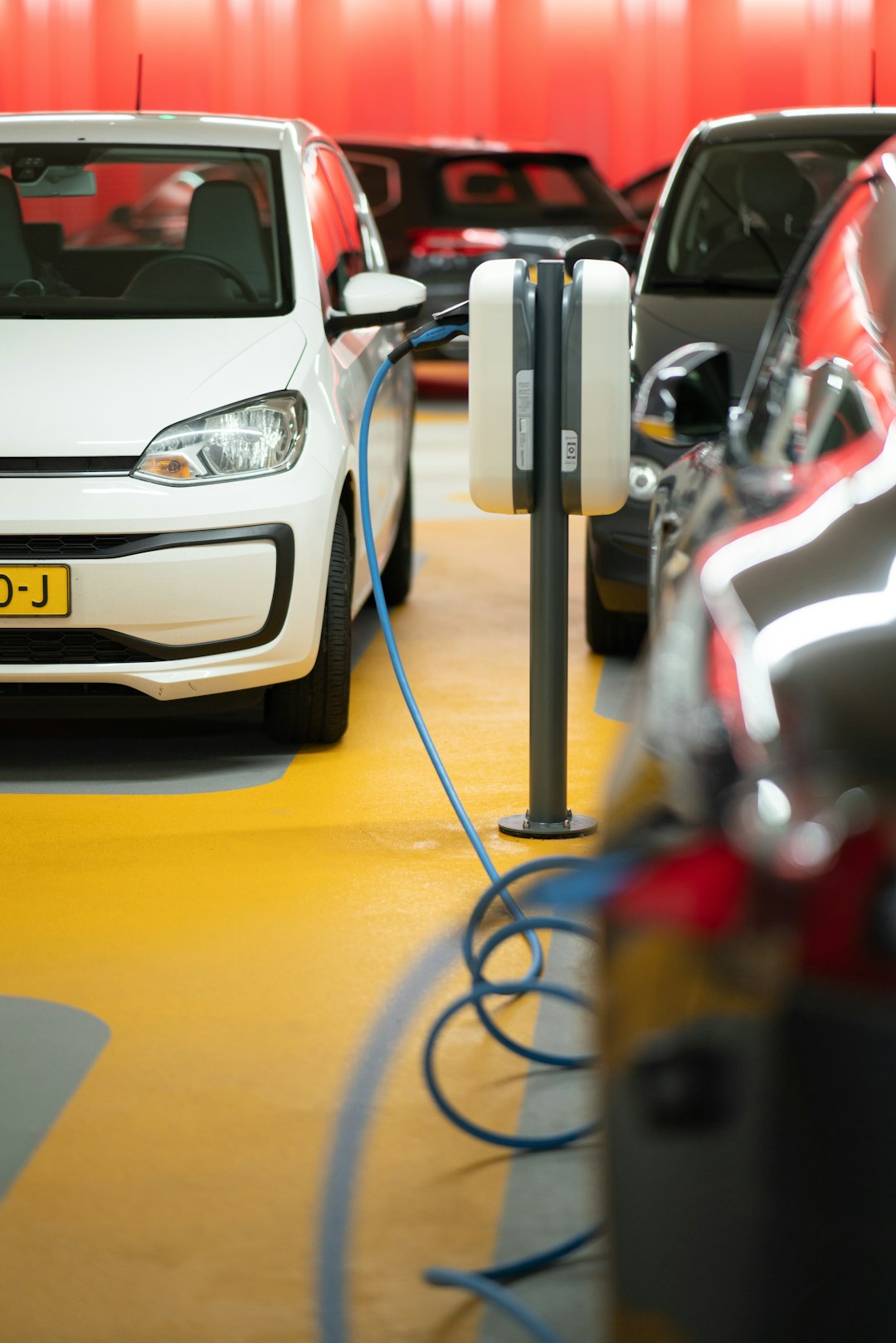
How Does It Work?
The process is simple. At least, it is simple for the user. Behind the scenes, there is a lot of smart technology working hard.
- You arrive at a battery station.
- You remove your empty battery.
- You place it into the station.
- The station gives you a charged battery.
- You keep going.
That is it. No long wait. No coffee break needed. No staring at a charging bar like it is a sports match.
In some systems, robots do the swap. This is common with larger electric vehicles. You drive into a station. Machines remove the empty battery pack. Then they slide in a full one. It can take only a few minutes.
For small devices, the process is more manual. A rider may open a scooter battery case. Then they pull out the battery and grab a fresh one from a locker.
The Main Parts of a Battery Sharing System
A battery sharing network has several important parts. Each one has a job. Together, they make the whole system smooth.
- Batteries: These are the energy packs. They must be safe, strong, and easy to move.
- Swap stations: These are the places where empty batteries become full batteries.
- Charging equipment: This charges the returned batteries in a safe way.
- Software: This tracks battery health, location, payment, and user access.
- Apps: These help users find stations and unlock batteries.
- Sensors: These check temperature, charge level, and safety.
The software is the brain. The batteries are the muscles. The stations are the kitchen. The app is the friendly waiter saying, “Your energy is ready.”
Why Not Just Charge Normally?
Normal charging is fine. It works well in many cases. You plug in a vehicle or device. Then you wait. Simple.
But waiting can be annoying. A small scooter may need hours to charge. An electric car may need even longer. A delivery driver cannot always wait. A taxi driver cannot always wait. A busy family may not want to wait either.
Battery sharing changes the question. Instead of asking, “How fast can we charge?” it asks, “What if we do not wait at all?”
That is a powerful shift.
Battery Sharing for Electric Scooters and Bikes
This is one of the easiest places to see battery sharing in action. Many electric scooters and e-bikes use small removable batteries. These batteries can be carried by hand. That makes swapping simple.
A delivery rider can stop at a battery locker. They trade the empty battery for a full one. Then they keep delivering food, groceries, or packages.
This helps businesses too. They can keep their fleets moving. They do not need dozens of parked vehicles waiting to charge.
It also helps apartment residents. Not everyone has a garage. Not everyone can plug in a scooter at home. A public battery station solves that problem.
Battery Sharing for Electric Cars
Electric cars need bigger batteries. Much bigger. So battery sharing for cars is harder. But it is possible.
Some companies have built stations where an electric car can swap its whole battery pack. The car drives onto a platform. Machines lift or slide out the battery. A charged pack goes in. Then the driver leaves.
This can feel like a pit stop in a race. But instead of changing tires, the station changes energy.
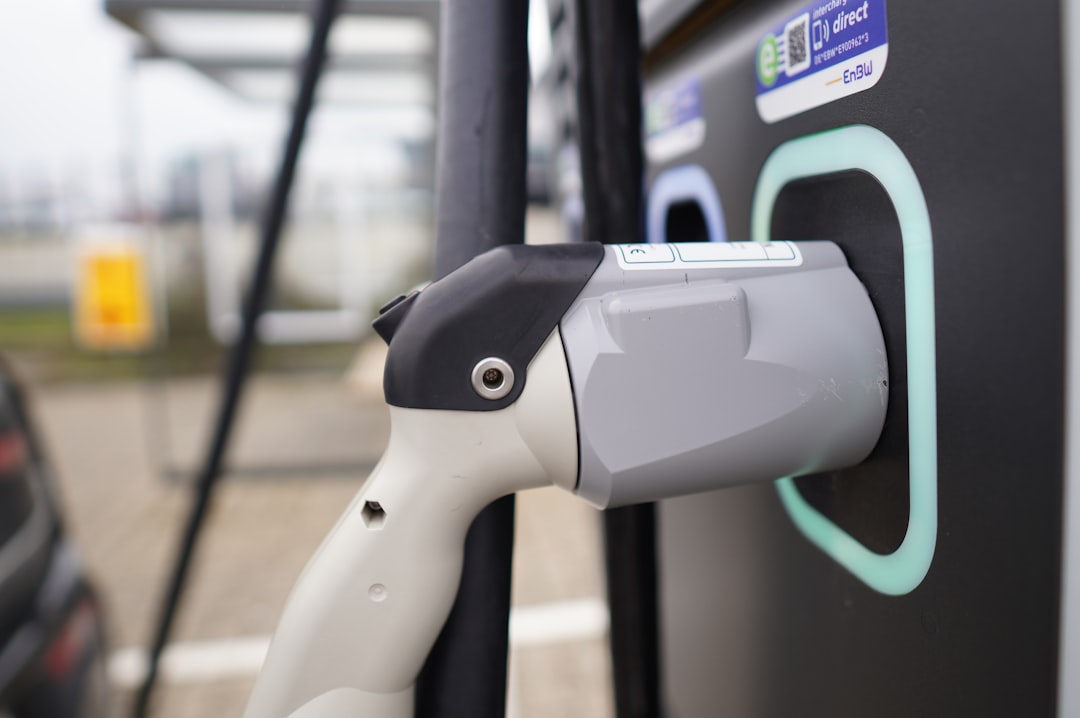
The challenge is standardization. Cars are not all built the same way. Battery packs come in different shapes, sizes, and voltages. For swapping to work everywhere, many car makers would need to agree on shared designs. That is not easy.
Still, in controlled fleets, it can work very well. Taxis, buses, trucks, and delivery vans often follow set routes. They return to the same places. This makes battery sharing easier to manage.
Battery Sharing for Homes
Battery sharing is not only for vehicles. It can also support homes and neighborhoods.
Many homes now use solar panels. Solar power is great during the day. But people often need electricity at night. A home battery can store extra solar energy. But batteries are expensive.
Shared community batteries may help. A neighborhood could use one large battery system. Homes send extra solar power into it. Later, homes draw power from it.
This is like a community pantry for electricity. One house has extra energy at noon. Another needs energy at 8 p.m. The shared battery helps balance things.
This can reduce stress on the electric grid. It can also prevent waste. Energy gets used where it is needed.
Why Battery Sharing Is Useful
Battery sharing has many benefits. Some are obvious. Some are sneaky in a good way.
- It saves time. Swapping is faster than charging.
- It can lower upfront costs. Users may rent batteries instead of buying them.
- It makes electric transport easier. Vehicles can stay on the road longer.
- It improves battery care. Stations can charge batteries properly.
- It helps track battery health. Bad batteries can be removed early.
- It supports clean energy. Batteries can store solar and wind power.
The cost point is very important. Batteries are often the most expensive part of an electric vehicle. If the user does not need to buy the battery, the vehicle can become cheaper.
That is a big deal. A cheaper electric scooter, bike, or car can reach more people.
The Battery Library Idea
Here is a fun way to understand it. Imagine a battery library.
You walk in with an empty battery. The librarian smiles. They take it. Then they hand you a full one. You scan your app. Beep. Done.
You do not care which exact battery you get. You only care that it works. The system cares about the details. It knows the age of the battery. It knows how many times it has charged. It knows if it is too hot. It knows if it needs repair.
This is one reason sharing can improve safety. Batteries need careful handling. A shared system can monitor them better than many individual users can.
What Makes the Technology Smart?
Battery sharing is not just a shelf full of batteries. It is a smart network.
Each battery may have a small computer inside. This is often called a battery management system, or BMS. The BMS watches the battery. It checks the charge level. It watches temperature. It helps prevent overcharging. It can also stop unsafe use.
The station also talks to the battery. It may ask, “Are you healthy?” The battery replies with data. Not in words, of course. That would be adorable. But through signals.
The app connects users to the network. It can show nearby stations. It can show how many charged batteries are available. It can handle payment. It can even reserve a battery.

The Challenges
Battery sharing is exciting. But it is not perfect. It has real challenges.
- Different battery designs: Devices and vehicles use many battery types.
- High setup costs: Stations are expensive to build.
- Battery wear: Shared batteries must be maintained often.
- Safety rules: Charging and storing batteries must be done carefully.
- User trust: People need to believe the system is reliable.
Standardization is the big mountain. If every company uses a different battery shape, sharing becomes messy. It is like trying to fit every phone charger into every phone from the past 20 years. Good luck with that.
But standards can grow over time. This has happened before. USB chargers became common. Wi-Fi became common. Battery standards could become more common too.
Is Battery Sharing Good for the Planet?
It can be. But it depends on how the system is built.
Battery sharing may reduce waste. Batteries can be used more efficiently. They can be repaired, tracked, and recycled better. A shared fleet can make sure weak batteries are not ignored in a drawer for years.
It can also help renewable energy. Charging stations can charge batteries when solar or wind power is available. Then users take that cleaner energy with them.
But there is still an environmental cost. Batteries need minerals. Mining can harm land and water if done poorly. Transporting batteries also uses energy. So battery sharing is not magic fairy dust.
Still, when managed well, it can be a cleaner and smarter way to use energy.
Where You Might See It Soon
You may see battery sharing in more places soon. Especially in busy cities.
- Electric scooter stations near train stops.
- Battery lockers for delivery riders.
- Swap stations for electric taxis.
- Shared batteries in apartment buildings.
- Community energy storage for solar homes.
- Portable power banks at events and airports.
The best use cases are places where people need energy fast. The more people use a station, the better the system works. A station with no users is just an expensive cabinet. A station with many users becomes a small energy hub.
The Future of Battery Sharing
The future may be very interesting. Batteries may become lighter. They may become safer. They may charge faster too. But even with faster charging, swapping will still have value.
Why? Because time matters. Convenience matters. People love things that are quick and easy.
In the future, your vehicle might not come with a battery that you own forever. You might subscribe to a battery service. You could choose a small battery for daily trips. Then choose a bigger one for a long journey. Like choosing a backpack size.
That could make electric transport more flexible. It could also reduce waste. People would not need to carry a huge battery every day if they only need it twice a year.
Final Thoughts
Battery sharing technology is a simple idea with a big impact. Empty battery out. Full battery in. Keep moving.
It can help scooters, bikes, cars, homes, and cities. It can save time. It can lower costs. It can support cleaner energy. It can make electric life feel less stressful.
Of course, it needs good design. It needs safety checks. It needs common standards. It needs enough stations to be useful.
But the core idea is easy to love. Energy becomes something you can borrow, swap, and share. Like a library book. Like a bike. Like a snack from a very futuristic vending machine.
Battery sharing is not just about batteries. It is about making power easier to reach. And when power is easier to reach, electric transportation and clean energy become easier for everyone.