When your PC keeps restarting unexpectedly while using Legato, it is more than a minor inconvenience. Unplanned restarts can interrupt important work, corrupt files, and signal deeper system instability. Whether Legato is a backup application, media tool, or productivity software in your setup, consistent crashes or forced reboots indicate that something at the system or software level needs immediate attention. Understanding the root causes and applying the correct fixes can restore stability and protect your data.
TLDR: If Legato keeps restarting your PC, the issue is usually caused by outdated drivers, corrupted installation files, hardware instability, or system resource overload. Start by updating Windows and drivers, then check system event logs and reinstall Legato if needed. Also scan for malware and test hardware components such as RAM and power supply. If the problem persists, advanced troubleshooting like clean boot diagnostics or BIOS updates may be required.
Why Legato Might Be Restarting Your PC
Unexpected system restarts rarely happen without a reason. In most cases, they are triggered by one of the following:
- Driver conflicts
- Corrupted program files
- Operating system errors
- Overheating hardware
- Insufficient power supply
- Memory or storage failure
- Malware infections
If the restart only happens while using Legato, the issue is likely software-based or related to how the program interacts with your system resources. However, recurring reboots can sometimes reveal deeper hardware instability that Legato simply happens to trigger.
1. Check Windows Event Viewer for Clues
The first step in diagnosing random restarts is determining whether Windows recorded a critical error before the shutdown.
To check:
- Press Win + X and select Event Viewer.
- Go to Windows Logs > System.
- Look for Critical or Error entries around the time of the restart.
Common error messages include:
- Kernel-Power Event ID 41
- Driver Power State Failure
- Unexpected Shutdown
If you see driver-related errors, updating or reinstalling problematic drivers could immediately resolve the problem.
2. Update All Drivers and Windows
Outdated or incompatible drivers are one of the most frequent causes of software-triggered restarts.
Focus especially on:
- Graphics drivers
- Chipset drivers
- Storage controller drivers
- Network drivers
To update Windows:
- Open Settings.
- Go to Update & Security.
- Click Check for Updates.
Restart your PC after updates are installed and test Legato again. Even minor driver patches can correct restart loops caused by memory access conflicts.
3. Reinstall Legato Properly
Corrupted program files can cause severe system instability. A standard uninstall may not remove all components, especially configuration files that could be damaged.
To perform a clean reinstall:
- Uninstall Legato from Control Panel > Programs and Features.
- Restart your PC.
- Delete any remaining Legato folders in Program Files and AppData.
- Download the latest official version.
- Install using Administrator privileges.
This eliminates corrupted components that may trigger restarts during certain operations.
4. Scan for Malware
Malware often exploits legitimate software processes, leading to crashes and restarts. If the issue appeared suddenly without updates or hardware changes, a security scan is strongly recommended.
Run:
- Windows Defender full scan
- A trusted third-party antimalware scanner
Remove any threats detected, then monitor your system for further instability.
5. Monitor System Temperature
High temperatures can immediately force your PC to restart as a protective measure.
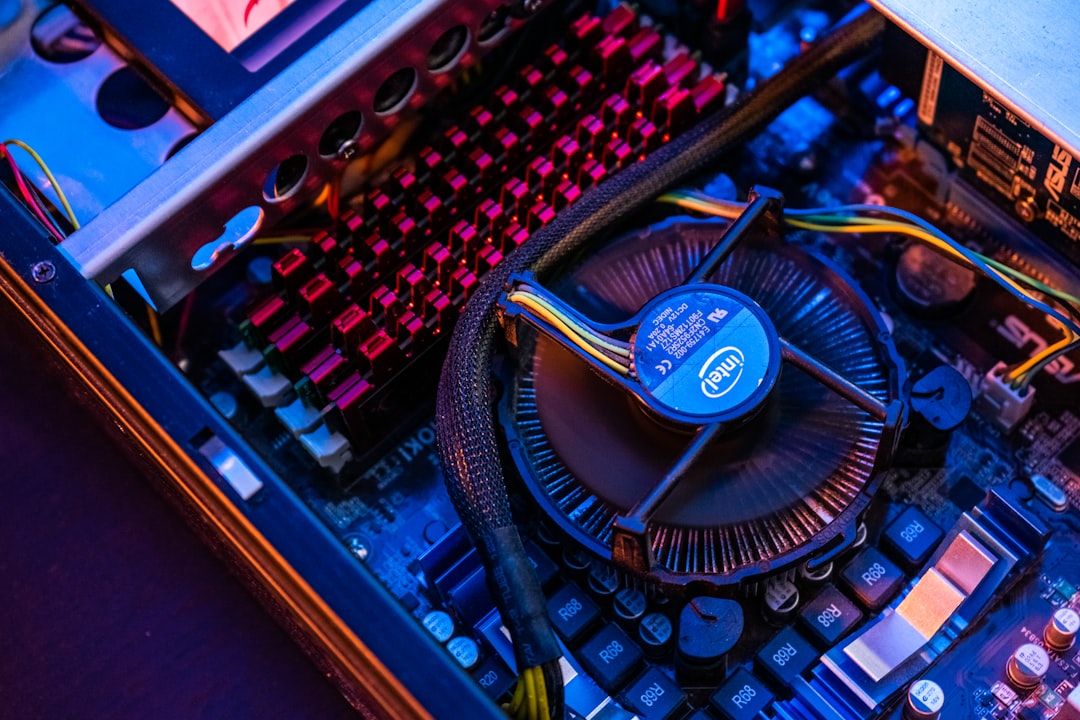
If Legato demands high CPU or disk usage, it may push already stressed hardware beyond safe limits.
Check temperatures using hardware monitoring software. Safe temperature ranges generally are:
- CPU idle: 30–50°C
- CPU load: 60–85°C
- GPU load: Up to 85°C
If temperatures exceed safe ranges:
- Clean internal dust
- Improve airflow
- Replace thermal paste
- Ensure cooling fans are working
Overheating issues often masquerade as software crashes.
6. Test RAM for Errors
Faulty memory can cause sudden reboots without warning, particularly when a program allocates large memory blocks.
To test RAM:
- Press Win + R.
- Type mdsched.exe.
- Select Restart now and check for problems.
Alternatively, use advanced diagnostic tools like MemTest for deeper testing.
If errors appear, consider:
- Reseating RAM sticks
- Testing one stick at a time
- Replacing faulty modules
7. Check Your Power Supply
An insufficient or failing power supply can cause restart loops under load conditions.
Image not found in postmetaIf your PC restarts particularly during intensive Legato tasks such as backups, rendering, or heavy processing, power instability may be the root cause.
Signs of PSU problems include:
- Random shutdowns
- Burning smell
- System instability under heavy load
A hardware technician can test PSU voltage stability if you’re unsure.
8. Disable Automatic Restart to View Errors
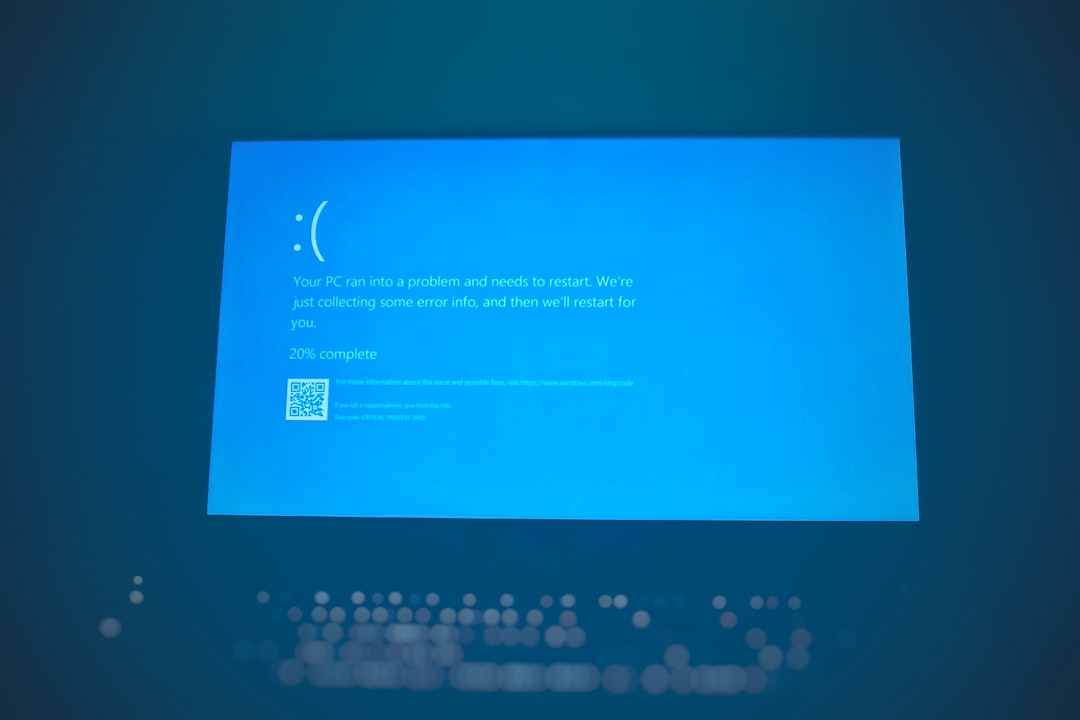
By default, Windows automatically restarts after a critical crash, preventing you from seeing the blue screen error code.
To disable automatic restart:
- Open Control Panel.
- Go to System > Advanced System Settings.
- Under Startup and Recovery, click Settings.
- Uncheck Automatically restart.
This allows you to capture error messages that may identify the precise cause.
9. Perform a Clean Boot
Other background programs may conflict with Legato and trigger restarts.
To perform a clean boot:
- Press Win + R and type msconfig.
- Under Services, check Hide all Microsoft services.
- Click Disable all.
- Restart your PC.
If the restart issue disappears, a third-party service is likely the cause. Re-enable services gradually to identify the culprit.
10. Update BIOS or Firmware (Advanced)
If all standard fixes fail, outdated motherboard firmware could be causing compatibility conflicts.
Important considerations:
- Only update BIOS if necessary.
- Follow manufacturer instructions exactly.
- Interrupting a BIOS update can permanently damage your motherboard.
BIOS updates often improve hardware compatibility and system stability.
When to Seek Professional Help
If your PC:
- Restarts even without Legato running
- Fails hardware diagnostics
- Shows persistent blue screen errors
- Emits unusual sounds or smells
It may indicate a failing motherboard, power supply, or storage device. In such cases, professional hardware diagnostics are strongly advised.
Preventing Future Restart Issues
Once you resolve the problem, take these preventative measures:
- Keep drivers and Windows updated
- Perform monthly malware scans
- Clean dust from your PC every 3–6 months
- Monitor CPU and GPU temperature regularly
- Install a surge protector or UPS to stabilize power
- Create system restore points before installing major software
Proactive maintenance dramatically reduces the chances of recurring restart loops.
Final Thoughts
If Legato keeps restarting your PC, the issue must be addressed promptly to prevent data loss or hardware damage. In many cases, the fix is straightforward—updating drivers, reinstalling the application, or scanning for malware. However, persistent restarts may reveal deeper hardware concerns that require careful testing.
Approach the problem methodically by ruling out software causes first, then moving toward hardware diagnostics if needed. With the right troubleshooting steps, you can restore stability, protect your files, and ensure Legato runs smoothly without forcing your system into unwanted reboot cycles.
A stable PC is not just about convenience—it is about reliability, data integrity, and long-term system health. Treat recurring restarts as a serious warning sign, not a minor glitch.