
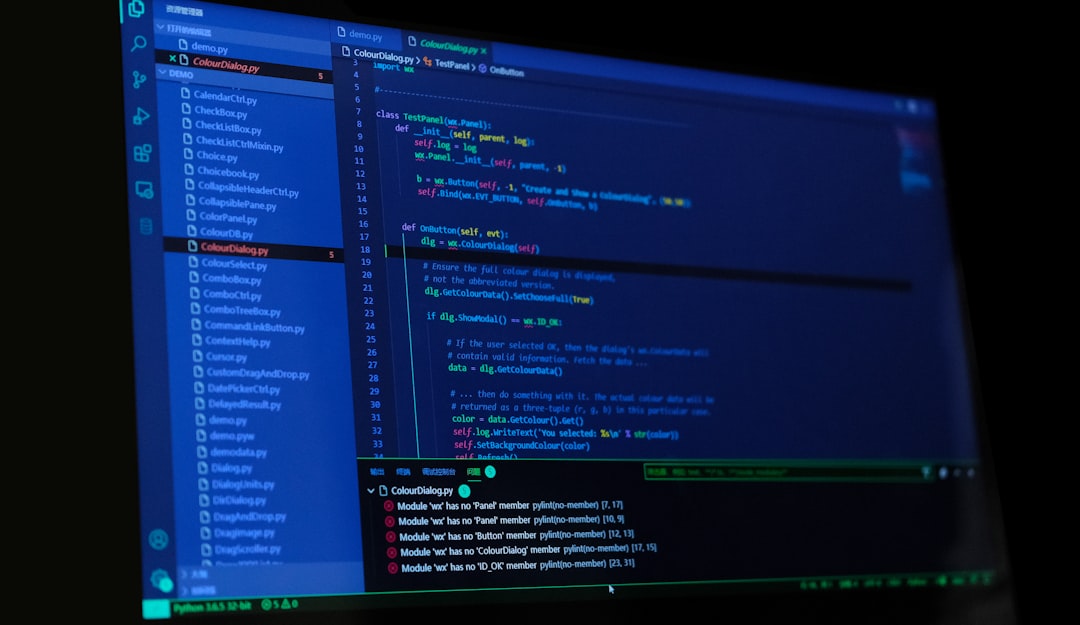
Modern software systems are more complex than ever, running across distributed environments, containers, serverless functions, and hybrid clouds. When something breaks in production, reproducing the issue locally can be slow, frustrating, and sometimes impossible. That’s why real-time debugging assistants have become essential for development teams. Tools like Rookout pioneered a new approach: non-breaking breakpoints and live data collection directly from running applications without redeploying code. But Rookout is no longer alone in this space.
TLDR: Real-time AI-powered debugging assistants help developers identify and fix issues directly in live environments without redeploying code. Tools like Lightrun, Thundra, and Dynatrace offer powerful alternatives to Rookout by enabling dynamic logging, live metrics, and AI-driven root cause analysis. These platforms reduce downtime, accelerate troubleshooting, and bring observability directly into the developer workflow. If your team struggles with production troubleshooting, these tools are worth exploring.
Why Real-Time Debugging Matters More Than Ever
Traditional debugging methods rely on logs, test environments, and replication attempts. But modern architectures—microservices, Kubernetes clusters, distributed APIs—make replicating production behavior locally incredibly difficult. Some common challenges include:
- Environment drift between staging and production
- Ephemeral containers that disappear before you can inspect them
- High concurrency that changes runtime behavior
- Limited logging due to performance or storage concerns
AI-assisted debugging tools address these issues by enabling real-time instrumentation, dynamic logging, and intelligent suggestion systems directly in live environments. Instead of guessing what went wrong, teams can observe live code execution safely and surgically.
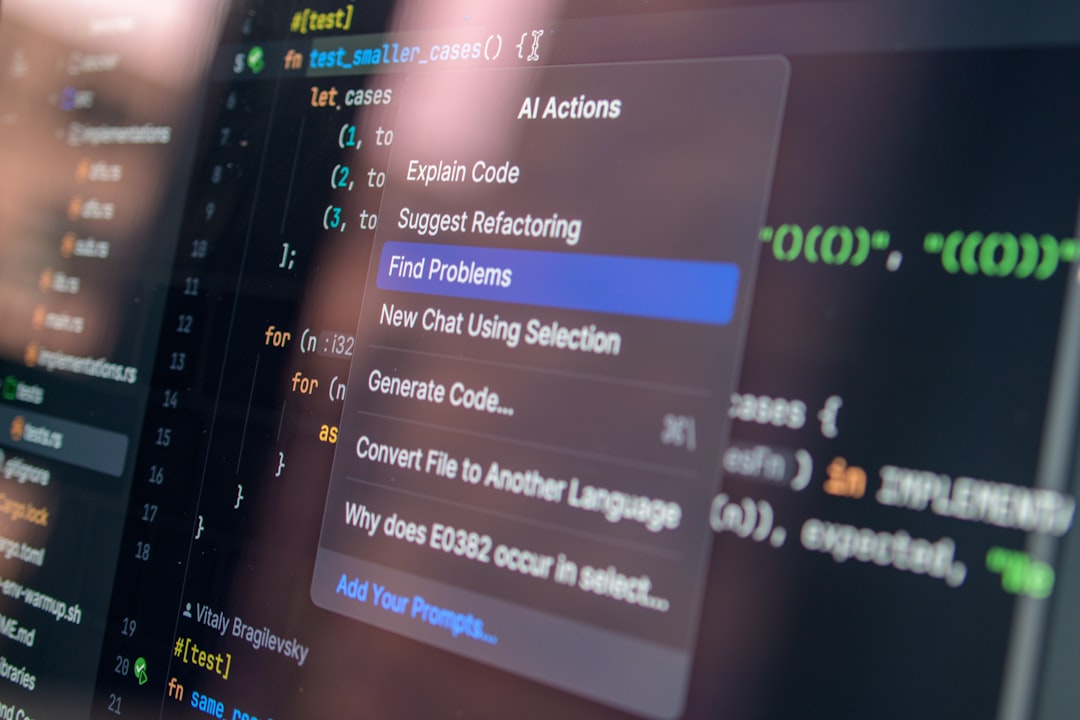
Let’s explore three powerful AI debugging assistants that offer functionality similar to Rookout and, in some areas, go even further.
1. Lightrun – Developer-Native Production Debugging
Lightrun is often considered the closest conceptual alternative to Rookout. It enables developers to add logs, metrics, and snapshots to running applications in real time—without stopping services or redeploying code.
Key Features
- Dynamic Logs: Insert logs on the fly without code changes.
- Snapshots (Virtual Breakpoints): Capture stack traces and variable states without stopping execution.
- Zero-Restart Deployment: Apply instrumentation safely in production.
- IDE Integration: Works directly from environments like VS Code and IntelliJ.
Where Lightrun stands out is its developer-first workflow. Engineers can set dynamic logs from their IDE instead of switching to external monitoring dashboards. This drastically reduces context switching and speeds up root cause analysis.
How AI Enhances Troubleshooting
Lightrun incorporates AI-driven analysis to help identify anomalies and suggest where dynamic logs should be placed. Instead of manually guessing which method or function might be failing, the system can analyze execution traces and narrow down high-risk areas.
This is especially helpful in complex microservices environments where tracing a single request might involve multiple services communicating asynchronously.
Best For
- Teams practicing DevOps or DevSecOps
- Organizations running Kubernetes-based applications
- Developers who want IDE-native production debugging
If your primary goal is minimal disruption debugging controlled directly by engineers, Lightrun is one of the strongest options available today.
2. Thundra – AI-Powered Observability and Debugging
Thundra began with a strong focus on serverless environments, particularly AWS Lambda, but has expanded into broader observability and debugging capabilities. It blends AI observability with real-time debugging features to minimize downtime.
What Makes Thundra Different?
Thundra leans heavily into AI-assisted root cause detection. Instead of simply exposing runtime data, it actively evaluates performance anomalies and transaction patterns.
- AI-Based Anomaly Detection
- Distributed Tracing Across Microservices
- Code-Level Profiling
- Live Debugging Capabilities
This makes it particularly powerful for applications with unpredictable scaling behavior.
Real-Time Insights for Serverless Architectures
Serverless environments introduce unique debugging problems:
- Functions execute briefly and then disappear.
- Logs may not always tell the full story.
- Cold starts create inconsistent performance behavior.
Thundra captures real-time execution data and combines it with AI-driven insights. Instead of combing through thousands of log lines, teams receive prioritized alerts highlighting probable root causes.
Where It Excels
- Serverless-heavy applications
- High-throughput cloud-native systems
- Teams needing intelligent anomaly detection
While Rookout focuses heavily on non-breaking breakpoints, Thundra expands the concept by pairing runtime visibility with smart recommendations. The result is faster diagnosis with less manual effort.
3. Dynatrace – Full-Stack AI Observability With Deep Code Insights
Dynatrace may not be marketed purely as a “debugging assistant,” but its AI engine, Davis®, makes it one of the most powerful troubleshooting platforms available.
Unlike point solutions that focus solely on code-level instrumentation, Dynatrace provides end-to-end observability across infrastructure, applications, and user experience.
Core Capabilities
- Automatic Code-Level Instrumentation
- AI Causation Engine (Davis)
- Real User Monitoring
- Cloud and Kubernetes Observability
The platform automatically maps dependencies between services, containers, databases, and third-party APIs. When an issue occurs, Davis correlates events and surfaces a probable root cause—often within seconds.
How It Compares to Rookout
Rookout emphasizes developer-controlled live data extraction. Dynatrace, on the other hand, emphasizes automated, AI-based correlation. Instead of placing breakpoints or dynamic logs, the system already collects deep telemetry and analyzes it continuously.
This distinction matters:
- Rookout-style tools: More surgical and developer-driven.
- Dynatrace-style platforms: Autonomous and operations-focused.
Best Suited For
- Large enterprise systems
- Highly distributed architectures
- Organizations needing full-stack visibility
For teams wanting both observability and intelligent root cause detection in one unified platform, Dynatrace is an exceptionally strong alternative.
Key Differences Between These Tools
While all three tools provide real-time debugging capabilities, they serve slightly different purposes:
| Tool | Primary Strength | AI Involvement | Ideal Environment |
|---|---|---|---|
| Lightrun | Developer-controlled live debugging | Log suggestion & anomaly insight | Microservices, Kubernetes |
| Thundra | Serverless troubleshooting | Anomaly detection & tracing intelligence | AWS Lambda, cloud-native apps |
| Dynatrace | Full-stack AI observability | Autonomous root cause analysis | Enterprise distributed systems |
Choosing between them depends on your organization’s maturity, architecture, and debugging priorities.
The Future of AI Debugging Assistants
AI debugging assistants are rapidly evolving. We’re moving toward a world where systems not only detect issues but also:
- Recommend precise code fixes
- Automatically generate debugging instrumentation
- Predict incidents before they occur
- Simulate failure scenarios proactively
As machine learning models become better at understanding application architectures and runtime behavior, debugging tools will shift from reactive troubleshooting to predictive reliability engineering.
Imagine receiving a notification that says:
“Increased latency in Service A is likely due to memory throttling in Container B caused by a recent configuration change. Suggested fix: adjust resource limits or roll back configuration.”
That future is already emerging.
Final Thoughts
Real-time debugging has transformed from a niche capability into a critical DevOps practice. Whether you choose Lightrun for hands-on production debugging, Thundra for AI-powered serverless troubleshooting, or Dynatrace for full-stack observability, each platform represents a powerful alternative to Rookout.
The key is understanding your team’s workflow:
- Do developers want direct control inside their IDE?
- Do you need AI-driven anomaly detection across ephemeral cloud functions?
- Or do you require enterprise-wide observability with automatic root cause analysis?
No matter your choice, integrating an AI-assisted debugging solution can significantly reduce mean time to resolution (MTTR), prevent recurring outages, and empower your engineers to focus less on guesswork and more on building innovative software.
In today’s always-on digital world, that advantage is no longer optional—it’s essential.