
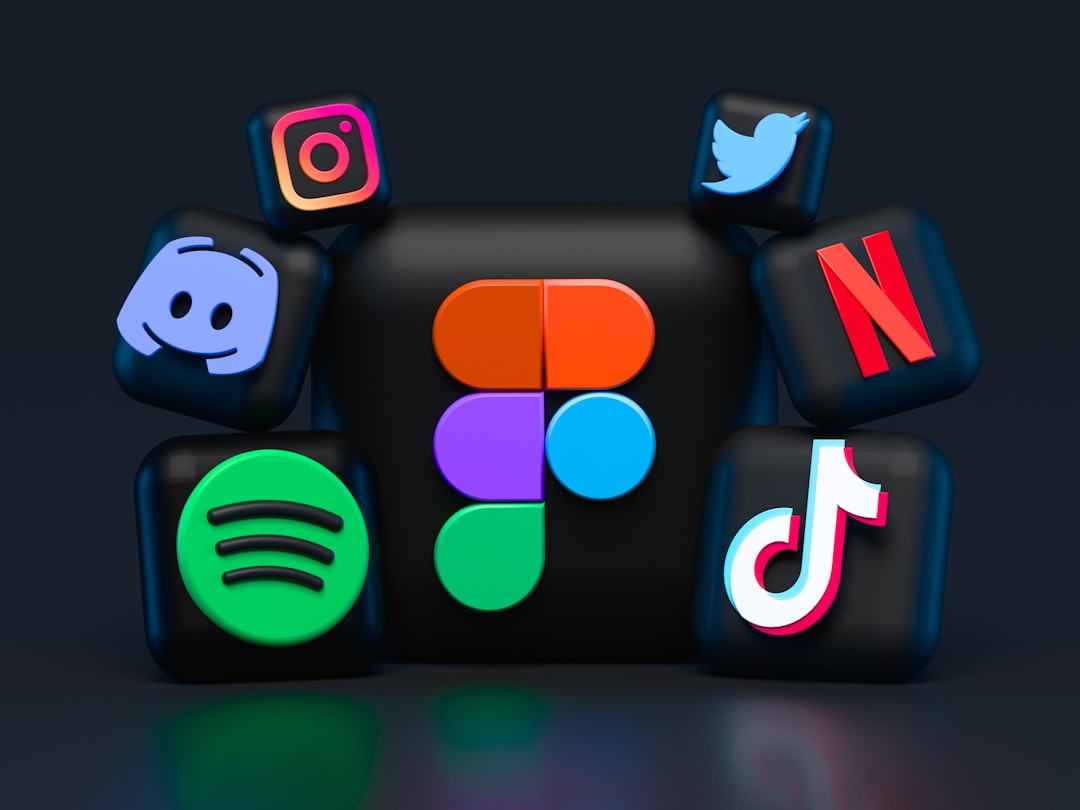
In a crowded digital environment, tiny visual details can influence whether a visitor notices, trusts, and interacts with a brand. Social media icons may seem like minor interface elements, but they often act as gateways to deeper engagement. When those icons are designed in 3D, they can become more eye-catching, memorable, and emotionally appealing, helping brands stand out while encouraging users to click, follow, share, and explore.
TLDR: 3D social media icons improve user engagement by making calls to action more visually noticeable, interactive, and inviting. They also strengthen branding by adding personality, depth, and consistency across digital platforms. When used thoughtfully, 3D icons can make a website or app feel more modern, memorable, and trustworthy without overwhelming the user experience.
Why Social Media Icons Matter More Than They Seem
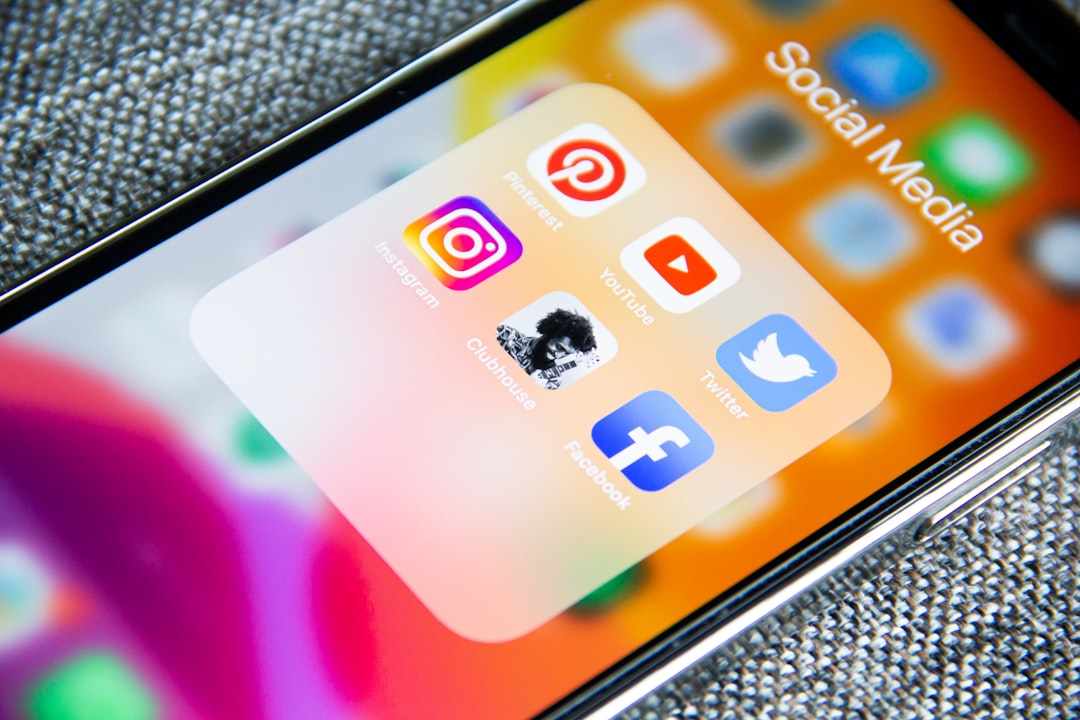
Social media icons are often small, but their role is significant. They connect a company’s website, app, email campaign, or digital portfolio to its wider online presence. A visitor who clicks an Instagram, LinkedIn, TikTok, YouTube, or Facebook icon may become a long-term follower, customer, subscriber, or advocate.
Because these icons are so familiar, users can easily overlook them when they appear in a plain or generic format. Flat icons still have their place, especially in minimalist design, but they may not always capture attention in visually competitive layouts. 3D social media icons create a stronger visual signal by adding depth, lighting, texture, shadow, and dimension. These qualities help icons feel more tangible and clickable.
In digital design, the difference between being seen and being ignored can be small. A button with a subtle shadow, a glossy surface, or a dimensional shape can naturally draw the eye. That extra attention can increase the likelihood that users will interact with the icon rather than scroll past it.
The Visual Psychology Behind 3D Icons
Humans are naturally drawn to objects that appear realistic, layered, or tactile. In the physical world, depth helps us understand what can be touched, pressed, moved, or used. 3D design takes advantage of this instinct by making digital elements feel more physical.
When a social media icon appears slightly raised from the page, users may subconsciously interpret it as an interactive object. This can make it feel more like a button than a decorative symbol. The result is a stronger call to action, even if no extra words are added.
Several visual qualities make 3D icons effective:
- Depth: Creates the feeling that the icon exists in space rather than lying flat on the screen.
- Shadows: Help separate the icon from the background and make it more noticeable.
- Highlights: Suggest light reflection, making the icon feel polished and premium.
- Texture: Adds personality, whether the icon feels glassy, metallic, soft, matte, or playful.
- Perspective: Gives the design energy and makes it feel more dynamic.
These features can turn a standard icon into a visual cue that says, “This is important, and you can interact with it.”
Improving User Engagement Through Visual Attention
User engagement begins with attention. If visitors do not notice an element, they cannot interact with it. 3D social media icons can improve engagement by making social links more visually prominent without requiring large amounts of screen space.
For example, a website footer filled with flat links can look ordinary. But a row of carefully designed 3D icons can create a focal point. On a landing page, floating 3D icons can guide users toward sharing content or following a brand. In an app, animated 3D icons can make social features feel more exciting and intuitive.
3D icons can support engagement in several practical ways:
- They increase click visibility. Dimensional icons stand out from surrounding text and graphics.
- They make actions feel more rewarding. A button that looks tactile creates a stronger sense of interaction.
- They encourage exploration. Unique icon styles can spark curiosity and invite users to discover more.
- They support sharing behavior. Attractive share icons can make content distribution feel easier and more enjoyable.
This does not mean every icon must be large, shiny, or animated. In fact, the best 3D icons often combine visual appeal with restraint. They attract attention while still fitting naturally into the overall design.
Strengthening Brand Identity With Dimensional Design
Branding is not limited to logos, color palettes, or slogans. Every visual element contributes to how people perceive a business. Social media icons are part of that system, especially because they often appear across multiple touchpoints, including websites, newsletters, presentations, mobile apps, and marketing graphics.
Using custom 3D social media icons can help a brand express its personality more clearly. A luxury brand might use elegant metallic icons with soft lighting. A children’s brand might choose rounded, toy-like icons with bright colors. A technology company might use glassmorphism, neon accents, or futuristic gradients. A wellness brand might prefer soft pastel icons with gentle shadows and organic shapes.
This flexibility makes 3D icons valuable for creating a consistent digital atmosphere. Instead of relying on the default look of each social platform, brands can adapt the icons to match their own identity while still preserving recognizability.
For branding, 3D icons can communicate qualities such as:
- Innovation: Modern dimensional design can make a brand feel forward-thinking.
- Professionalism: Polished icons suggest attention to detail and design quality.
- Playfulness: Rounded, colorful 3D icons can create a friendly and approachable tone.
- Premium value: Glossy surfaces, realistic lighting, and refined shadows can feel upscale.
- Creativity: Unique 3D treatments show that a brand is willing to go beyond generic visuals.
When users repeatedly see the same visual style across platforms, they are more likely to remember the brand. Consistency builds recognition, and recognition supports trust.
Creating a More Memorable Digital Experience
People remember experiences that feel distinctive. While content quality and usability are essential, visual design plays a major role in shaping memory. A website with thoughtful 3D icons may feel more immersive and polished than one using standard icon sets.
This matters because users often visit several competing websites or profiles before making a decision. A memorable interface can help a brand stay in the user’s mind after they leave. Even subtle 3D elements can create a sense of depth and care that improves the overall impression.
For example, imagine two online portfolios. Both have strong work samples, clear navigation, and social links. One uses basic gray icons; the other uses carefully styled 3D icons that match the designer’s visual identity. The second portfolio may feel more complete, more intentional, and more memorable. That impression can influence whether a visitor decides to follow, contact, or hire the creator.
Image not found in postmetaMaking Calls to Action Feel More Interactive
Social media icons often function as calls to action. They ask users to follow, share, subscribe, message, watch, or connect. The stronger and clearer the visual cue, the more effective the action can become.
3D icons help because they resemble objects users can press. This is particularly useful on mobile devices, where tapping is the primary interaction. A dimensional icon with a soft shadow and rounded surface can feel more inviting to tap than a simple flat symbol.
Microinteractions can make this even stronger. For instance, a 3D icon might slightly rotate, bounce, glow, or depress when hovered over or tapped. These small responses provide feedback and make the interface feel alive. They can also increase satisfaction because users receive a visual confirmation that their action has been recognized.
However, animation should be used carefully. Too much movement can distract users or reduce accessibility. The goal is to enhance the action, not turn the interface into a visual distraction.
Building Trust Through Better Design Quality
Users often judge credibility quickly. If a website looks outdated, inconsistent, or careless, visitors may question the reliability of the brand behind it. Well-designed 3D icons can contribute to a stronger first impression by showing that the brand values presentation and user experience.
This is especially important for businesses where trust is central, such as ecommerce stores, consultants, SaaS platforms, agencies, coaches, and personal brands. Social media links give users a chance to verify activity, read reviews, view recent updates, or connect with real people. If those links are presented clearly and attractively, users are more likely to take that next step.
Strong design does not guarantee trust by itself, but it supports it. A clean layout, consistent branding, fast loading speed, readable typography, and professional icon design all work together to create confidence.
Balancing Style With Usability
Although 3D social media icons can be powerful, they must remain usable. An icon should never become so stylized that users cannot recognize which platform it represents. The familiar shapes and symbols of social platforms should remain clear, even when depth, materials, or lighting effects are added.
Good 3D icon design should follow a few important principles:
- Maintain recognition: Users should instantly identify the platform.
- Keep contrast high: Icons should be visible against the background.
- Use consistent styling: All icons in a set should share the same lighting, angle, and material quality.
- Optimize file size: Heavy graphics can slow down websites and hurt user experience.
- Support accessibility: Include descriptive labels, adequate spacing, and keyboard-friendly navigation where needed.
- Avoid clutter: 3D effects should enhance the layout, not overwhelm it.
In short, 3D icons should be beautiful, but they should also be practical. The best designs combine visual personality with clear function.
Where 3D Social Media Icons Work Best
3D social media icons can be used in many digital contexts, but they are especially effective in places where visual engagement matters. A homepage hero section is one example. If a brand wants visitors to connect immediately, a small set of dimensional icons near the main call to action can be effective.
They also work well in email signatures, digital business cards, creator websites, online shops, app onboarding screens, event landing pages, and presentation decks. In social media graphics, 3D icons can add depth to announcements, promotional posts, and campaign visuals.
For brands with a bold or creative identity, 3D icons can become part of a larger visual system. They may match 3D product renders, mascots, buttons, illustrations, or animated interface elements. This creates a cohesive environment that feels intentional rather than random.
Best Practices for Using 3D Icons Effectively
To get the most value from 3D social media icons, brands should use them strategically. They should not be added simply because they look trendy. Their purpose should be connected to engagement, clarity, and identity.
Here are some practical best practices:
- Match the brand style. Choose materials, colors, and shapes that reflect the brand’s personality.
- Place icons where users expect them. Common locations include headers, footers, contact sections, and profile areas.
- Use hover or tap effects sparingly. Subtle interaction can improve engagement without becoming distracting.
- Test across devices. Icons should look sharp on desktop, tablet, and mobile screens.
- Limit the number of platforms. Showing the most relevant social channels is usually better than displaying every possible option.
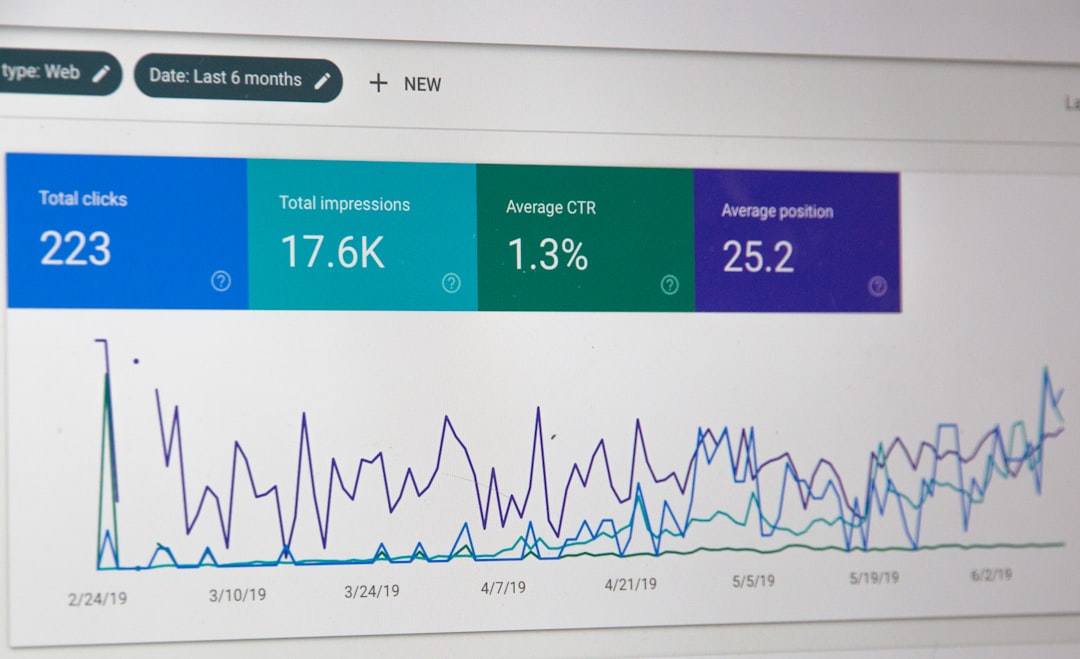
- Measure performance. Track clicks, follows, shares, and conversions to see whether the icons improve engagement.
Testing is particularly important. A 3D icon set may look impressive, but analytics can reveal whether users are actually interacting with it. Brands can compare flat icons and 3D icons through A/B testing to determine which version performs better with their audience.
The Branding Advantage of Small Details
Great branding often lives in the details. A carefully chosen icon style can make a website feel more custom, more polished, and more aligned with the brand’s message. While social media icons are small, they are repeated often and seen by many users. That makes them valuable branding assets.
3D icons can also help create emotional tone. A soft, rounded 3D icon may feel friendly and accessible. A sleek glass icon may feel futuristic. A bold, inflated icon may feel energetic and youthful. These impressions happen quickly, but they shape how users feel about the brand.
As digital experiences become more visual and interactive, brands need design elements that do more than fill space. They need elements that guide action, express identity, and create recognition. 3D social media icons can do all three when designed with intention.
Conclusion
3D social media icons improve user engagement by drawing attention, making interactions feel more tactile, and encouraging users to connect with a brand across platforms. They also strengthen branding by adding depth, personality, and consistency to digital touchpoints.
The key is balance. Icons should be visually appealing without sacrificing clarity, speed, or accessibility. When used thoughtfully, 3D social media icons transform ordinary links into engaging brand moments. They help users notice, remember, and interact with a brand in a more meaningful way, proving that even the smallest design elements can have a powerful impact.