

Build SEO for the search experience that is coming, not only the ranking system that exists today. Forward SEO means preparing content, data, technical systems, and brand signals before search engines change how they display answers.
Search is changing from a list of links into a mixed answer system. Users now see AI generated summaries, product grids, map packs, video clips, forum threads, and direct answers before they ever reach a website. That can feel unfair. It drives me crazy that a page can earn the answer and still lose the click. But serious SEO teams do not wait for frustration to become lost revenue. They prepare.
Forward SEO is proactive search optimization. It asks one simple question: if search engines change the format of results tomorrow, will this website still be easy to understand, trust, and cite? If the answer is no, the work starts now.

What Makes Forward SEO Different?
Traditional SEO often reacts to damage. Rankings fall. Traffic drops. A team checks the update chatter, rewrites pages, repairs technical issues, and waits. Forward SEO works earlier. It treats search as a product environment that keeps changing.
This approach focuses on durable signals:
- Clear intent matching: each page answers a real user need with minimal fluff.
- Topical depth: content supports a subject from many useful angles.
- Machine readable structure: headings, schema, internal links, and metadata make meaning obvious.
- Proof of trust: reviews, citations, author experience, policies, and original data reduce doubt.
- Format readiness: pages can support snippets, AI answers, voice results, images, video, and product feeds.
The point is not to predict every search update. Nobody can do that with total accuracy. The point is to reduce fragility. A site with strong structure, strong content, and strong evidence is less likely to be wiped out by a display change.
Why Search Experiences Are Moving Fast
Search engines are under pressure to answer faster. Users often want a price, a definition, a comparison, a nearby service, or a step by step process without opening five tabs. AI systems make that easier. They can summarize, group options, and pull meaning from several sources at once.
This creates a hard truth for site owners: visibility is no longer the same as traffic. Your content may appear inside an AI answer. Your brand may be mentioned in a comparison. Your product data may show in a shopping module. Yet the user may not click until much later, if at all.
That does not mean SEO is dead. It means measurement must mature. Forward SEO tracks more than rankings and sessions. It studies branded search growth, assisted conversions, referral quality, lead source patterns, content citations, and engagement from high intent pages.
The Core Pillars of Forward SEO
1. Content Built for Answers, Not Word Counts
Long content is not automatically useful. Thin content is not automatically bad. Search systems reward pages that satisfy intent quickly and fully. A strong page gives the direct answer near the top, then adds proof, context, examples, and next steps.
Useful content should include:
- a short answer for simple queries;
- clear sections for comparison and evaluation;
- specific numbers, dates, prices, or ranges when available;
- original examples instead of generic claims;
- visible updates when facts change.
If a page cannot answer what the user came for in the first screen or two, expect weaker engagement. Users are impatient. Search systems are getting better at spotting that.
2. Structured Data and Clean Technical Signals
Structured data will not save poor content. Still, it helps search engines understand entities, products, reviews, events, articles, recipes, FAQs, and organizations. It gives your site a cleaner chance to appear in rich results and answer based features.
Technical hygiene also matters. Crawl errors, slow templates, duplicate pages, broken canonicals, and messy redirects waste trust. Honestly, it feels like some SEO tools make this worse by producing 900 warnings when only 30 issues matter. A serious audit separates noise from risk.
High priority checks include:
- indexation: make sure valuable pages can be crawled and indexed;
- speed: reduce delays on mobile and heavy templates;
- internal links: connect related pages with descriptive anchor text;
- schema validation: test markup and remove misleading fields;
- content duplication: consolidate weak overlap before it splits authority.

3. Entity Based Authority
Search engines do not only judge pages. They assess people, companies, products, and topics. That is why entity clarity matters. Your site should make it obvious who you are, what you sell or publish, where you operate, and why users should trust you.
Strong entity signals include consistent business details, expert author pages, case studies, source citations, customer reviews, awards, media mentions, and clear policies. For medical, financial, legal, and safety related topics, this becomes even more serious. Unsupported advice can create real harm.
4. First Party Data and Original Insight
AI can summarize common knowledge. It cannot easily replace proprietary research, customer data, field reports, expert interviews, and original benchmarks. These assets make a website more quotable.
A logistics company could publish average delivery delay data by region. A dental group could share anonymized appointment trend data. A SaaS company could compare onboarding completion rates across industries. Specific evidence makes content harder to copy and easier to cite.
How to Start a Forward SEO Program
Begin with the pages that already affect revenue. Do not audit everything equally. A forgotten blog post from 2018 does not deserve the same attention as a service page that drives sales calls.
- Map critical queries. Group terms by user need, not just keyword volume.
- Review result formats. Check whether AI answers, videos, local packs, shopping results, or forums appear.
- Upgrade the content. Add direct answers, proof, examples, and clearer next actions.
- Improve trust signals. Add authors, review data, citations, updated dates, and company details.
- Mark up key pages. Use accurate structured data where it fits.
- Track broader outcomes. Measure leads, branded demand, citations, and assisted conversions.
Run this process quarterly. Search behavior shifts too often for an annual review to be enough. Still, avoid panic edits every time traffic wiggles. Forward SEO is steady work, not a scramble.
Metrics That Matter More Now
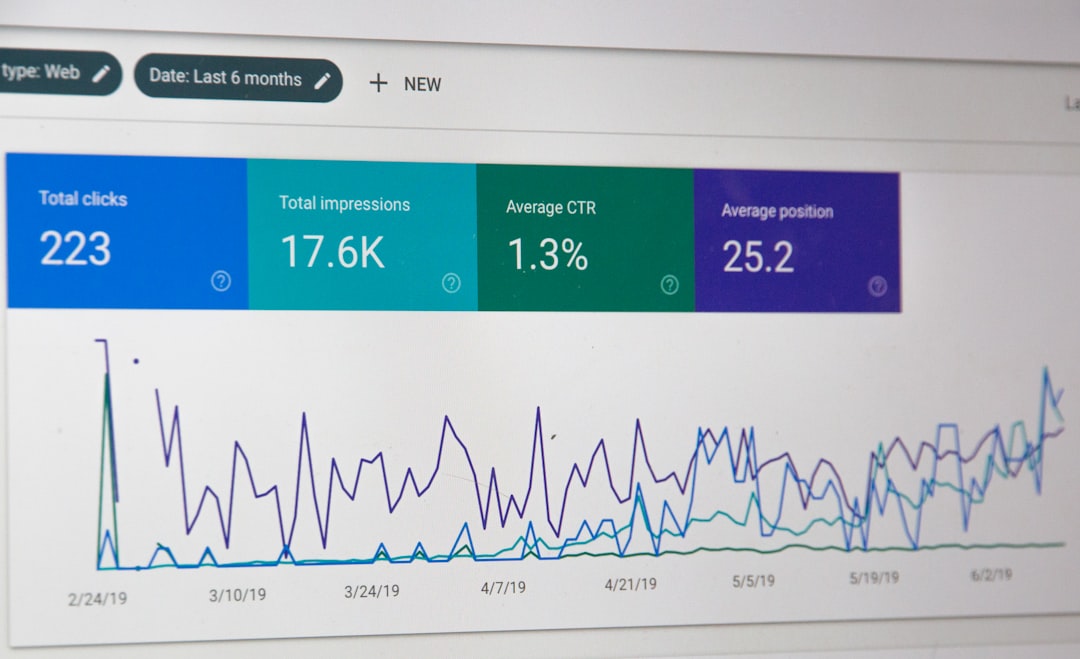
Rankings still matter, but they are incomplete. A number one result below an AI summary may bring fewer visits than a number three result did two years ago. Track outcome quality instead.
- Qualified organic conversions: leads, sales, bookings, or trials from organic visitors.
- Branded search growth: more users searching your company or product by name.
- Content assisted revenue: pages that support conversions across several visits.
- Visibility in rich formats: snippets, product results, image packs, videos, and local results.
- Engagement by intent: scroll depth, return visits, downloads, and contact actions.
This mix gives a clearer view of performance when clicks scatter across many search features.
The Practical Payoff
Forward SEO protects against sudden shifts by making a site more useful, clearer, and more credible. It also improves the user experience today. Faster pages, sharper answers, stronger proof, and better internal links help real visitors make decisions.
The best time to prepare is before a search change hurts pipeline. Start with revenue pages. Add structure. Build evidence. Publish original insight. Make your authors and organization easy to verify. Search will keep changing, but trustworthy information with clear technical support still has a strong future.