

Companies often measure success by asking whether customers are satisfied. A satisfied customer received what was promised, had a reasonably smooth interaction, and left without major complaints. Yet many brands discover that satisfaction alone does not guarantee loyalty. When competitors offer similar prices, products, or convenience, the deeper question becomes whether the customer feels understood, valued, and emotionally connected.
TLDR: Customer satisfaction matters because it reflects whether a company meets expectations. However, emotional connection often matters more because it influences loyalty, advocacy, and long-term value. The strongest brands do not choose one over the other; they use satisfaction as the foundation and emotional connection as the advantage. A customer who is both satisfied and emotionally attached is far more likely to return, recommend, and forgive occasional mistakes.
Understanding Customer Satisfaction
Customer satisfaction is usually based on performance. It answers questions such as: Did the product work? Was the service fast? Was the price fair? Did the company solve the problem? These are practical, rational measures that help a business determine whether it is meeting basic expectations.
Satisfaction is important because it reduces friction. If customers are repeatedly disappointed, they leave. No amount of emotional branding can compensate for broken promises, poor quality, confusing processes, or unhelpful support. In this sense, satisfaction is the minimum requirement for a healthy customer relationship.
- It identifies operational issues, such as slow response times or product defects.
- It helps track service performance through surveys, reviews, and ratings.
- It protects the brand from churn by ensuring customers receive basic value.
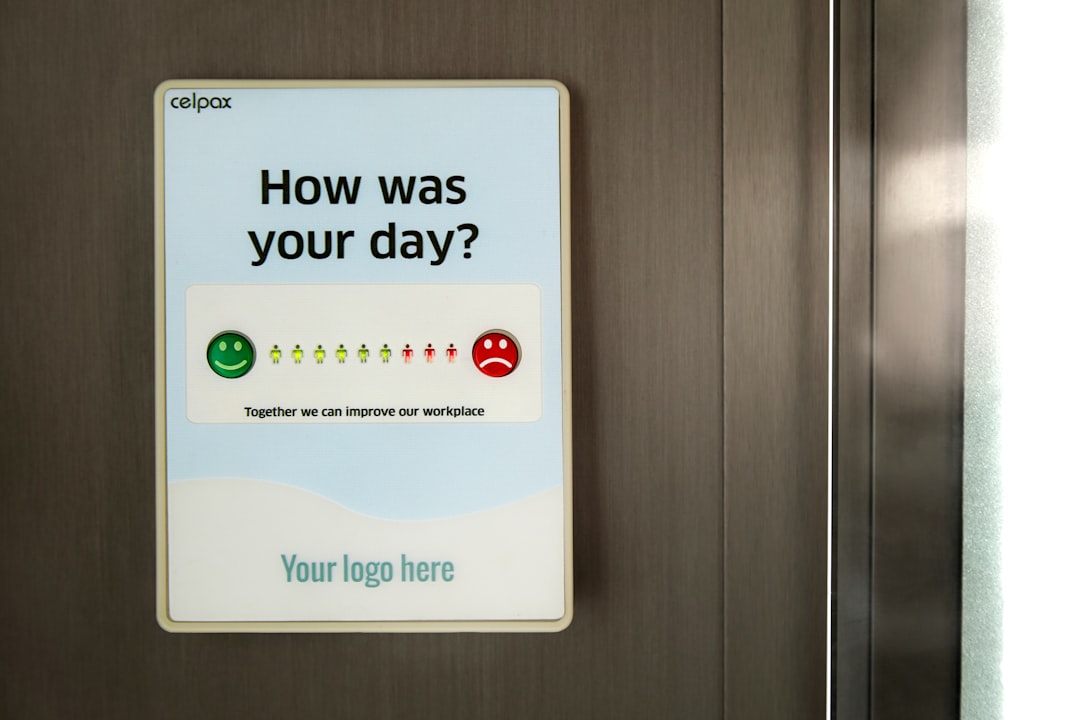
However, satisfaction can be fragile. A customer may be satisfied with one airline, bank, retailer, or software platform but still switch when a cheaper or more convenient option appears. Satisfaction often reflects the present moment, while emotional connection influences future behavior.
Understanding Emotional Connection
Emotional connection exists when a customer feels that a brand aligns with personal values, identity, aspirations, or needs. It goes beyond a successful transaction. The customer feels seen, respected, reassured, inspired, or part of something meaningful.
This connection can come from many sources: a memorable support experience, a brand’s social values, a sense of belonging, thoughtful personalization, consistent honesty, or even the tone of communication. In emotional relationships, the company is not just a provider; it becomes a trusted presence in the customer’s life.
For example, a fitness brand may sell clothing, but its deeper value may be confidence and self-improvement. A technology company may sell devices, but its emotional promise may be creativity, independence, or simplicity. A local restaurant may satisfy hunger, but its emotional connection may come from familiarity, warmth, and community.
Why Satisfaction Is Not Always Enough
A satisfied customer is not necessarily loyal. This is one of the most important distinctions in customer experience. A person may rate a hotel stay as “good” and still book a different hotel next time. A shopper may be satisfied with a delivery and still choose another retailer because it offers a small discount.
The reason is simple: satisfaction is often transactional. It depends on what happened during a specific encounter. Emotional connection is relational. It depends on what the customer believes about the brand over time.
When businesses focus only on satisfaction, they may create efficient but forgettable experiences. The service may be correct, but not memorable. The product may work, but not inspire affection. The interaction may be polite, but not personal. In competitive markets, being “fine” is rarely enough to stand out.
Why Emotional Connection Drives Stronger Loyalty
Emotionally connected customers tend to behave differently. They are more likely to return, recommend, engage, and spend more over time. They may also be more forgiving when problems occur, as long as the company responds with honesty and care.
This does not mean emotional customers ignore price or quality. Rather, they place additional value on the relationship. A brand that makes someone feel confident, safe, appreciated, or understood has a stronger position than a brand that merely completes a transaction.
- Repeat purchases: Emotional attachment encourages customers to choose the same brand again.
- Word of mouth: People share brands that make them feel something meaningful.
- Resilience: Connected customers may stay loyal through small problems or price increases.
- Brand preference: The customer chooses the brand because it feels personally relevant.
The Role of Trust
Trust sits between satisfaction and emotional connection. A company earns trust by doing what it says it will do. Over time, repeated satisfaction can become trust, and trust can develop into emotional connection.
For instance, a customer may first appreciate that a business delivers on time. After several reliable experiences, the customer begins to trust the company. If the company also communicates with empathy, recognizes customer preferences, and handles problems fairly, trust can deepen into emotional loyalty.
Trust is especially important in industries where risk is high, such as healthcare, finance, travel, education, and technology. In these fields, customers are not only buying a product or service; they are placing personal information, money, time, or wellbeing in someone else’s hands.
Which Matters More?
If a company must choose, the answer depends on the situation. For a new business, customer satisfaction may come first because the basics must work. A brand cannot build emotional connection on top of unreliable service. Customers need competence before they can feel attachment.
However, once basic expectations are met, emotional connection becomes the stronger differentiator. Satisfaction keeps a customer from leaving today; emotional connection gives that customer a reason to return tomorrow.
The best answer is not “one or the other.” The most successful companies combine both. They deliver consistent satisfaction while creating experiences that feel human, personal, and meaningful. In practice, satisfaction is the foundation, and emotional connection is the structure that rises above it.
How Businesses Can Build Both
To strengthen satisfaction and emotional connection, companies need to design customer experiences that are both reliable and human. This requires attention to operations, communication, culture, and customer insight.
- Deliver the basics consistently. Products should work, services should be reliable, and support should be accessible.
- Listen beyond ratings. Surveys show what happened, but interviews, reviews, and conversations reveal how customers felt.
- Personalize with care. Relevant recommendations, remembered preferences, and thoughtful follow-ups can make customers feel recognized.
- Communicate with empathy. Customers remember tone, especially when something goes wrong.
- Stand for clear values. When a brand’s actions reflect meaningful principles, customers are more likely to connect.
Measuring What Matters
Customer satisfaction can be measured through ratings, complaint levels, repeat purchase data, and service metrics. Emotional connection is harder to measure, but it is not impossible. Businesses can look at loyalty behavior, referrals, social engagement, customer stories, and the language people use when describing the brand.
Questions such as “How satisfied was the customer?” should be paired with deeper questions: “Did the customer feel valued?” “Did the experience reduce anxiety?” “Would the customer feel disappointed if the brand disappeared?” These questions reveal whether the relationship has moved beyond function.
Ultimately, companies that measure only satisfaction may miss the emotional reasons customers stay or leave. Those that measure both gain a fuller picture of loyalty.
Conclusion
Emotional connection and customer satisfaction are not rivals; they are different levels of the same relationship. Satisfaction proves that a company can meet expectations. Emotional connection proves that the company means something to the customer.
In the long term, emotional connection often matters more because it creates loyalty that competitors cannot easily copy. Still, it must be built on reliable performance. A brand that combines practical satisfaction with genuine emotional value is more likely to earn not just purchases, but lasting preference.
FAQ
What is the main difference between customer satisfaction and emotional connection?
Customer satisfaction measures whether expectations were met. Emotional connection measures whether the customer feels a meaningful bond with the brand.
Can customers be satisfied but not loyal?
Yes. A customer may be satisfied with a product or service but still switch to a competitor for convenience, price, or novelty.
Why does emotional connection improve loyalty?
It gives customers a personal reason to stay. When a brand reflects their values or makes them feel understood, they are more likely to return and recommend it.
Should businesses focus on satisfaction first?
Yes. Reliable products, fair processes, and helpful service create the foundation. Emotional connection is difficult to build if basic expectations are not met.
How can a company create emotional connection?
It can show empathy, personalize experiences, communicate honestly, act on shared values, and make customers feel recognized rather than treated as transactions.