Semrush is the better pick for broad brand audit services, while Ahrefs is stronger when the audit depends heavily on backlinks, authority, and organic search proof. If you are auditing how a brand appears across Google, paid search, local listings, competitors, and branded keywords, Semrush gives you more audit angles in one place. If your main question is “Who links to us, who stopped linking, and why are competitors outranking us?”, Ahrefs is usually cleaner and faster.
TLDR: Choose Semrush for a complete brand and SEO audit with keyword tracking, competitor comparisons, local checks, PPC research, and client friendly reports. Choose Ahrefs for deeper backlink analysis, content gap checks, lost links, and authority signals. For example, a DTC skincare brand might use Semrush to find 18 missing branded keyword opportunities and 14 inconsistent directory listings, then use Ahrefs to spot 42 lost referring domains after a site migration. If budget allows only one tool, Semrush fits most brand audit services better.
What a Brand Audit Actually Needs
A good brand audit is not just a logo review or a quick SEO scan. It checks how people find, judge, and compare a brand online. Search results matter. So do reviews, mentions, backlinks, competitors, paid ads, and content quality.
For most agencies and consultants, a brand audit includes:
- Branded search visibility: Does the brand own page one for its name?
- SEO health: Are technical issues hurting rankings?
- Competitor comparison: Who is gaining traffic and why?
- Backlink profile: Are trusted sites linking to the brand?
- Content gaps: What topics should the brand cover?
- Reputation signals: Are mentions, reviews, and listings consistent?
- Reporting: Can findings be shown clearly to clients or executives?
Semrush and Ahrefs both cover large parts of this work. They just come from different angles.
Semrush: Better for Full Brand Audit Services
Semrush feels built for marketers who need to explain the whole story. It covers SEO, PPC, social, content, local visibility, competitor research, and reporting. That makes it practical for brand audit services, where the final deliverable needs to connect search data with business impact.
Its Domain Overview gives a quick read on search traffic, organic keywords, paid keywords, authority score, and main competitors. For a brand audit, this is useful because you can show whether a brand is growing, flat, or losing ground in search.
The Keyword Gap and Organic Research tools are especially useful. You can compare a brand against three or four rivals and see which keywords competitors own. This is where audits get interesting. A SaaS company may rank for its product name but miss dozens of “best software for…” searches. Semrush makes that gap easy to show.
Semrush also wins on branded keyword tracking. You can set up a Position Tracking campaign for terms like brand name, product names, executive names, and “brand + reviews.” This helps answer a key audit question: Does the brand control its own search results?
For local or multi-location brands, Semrush adds extra value. Its local listing tools can help find inconsistent names, addresses, phone numbers, and directory issues. That kind of detail matters for restaurants, clinics, legal firms, franchises, and service businesses.
The catch is that Semrush can feel crowded. There are so many menus that a simple audit task can take several clicks more than expected. It drives me slightly crazy when a report needs one small chart and the interface nudges you through three different sections to get it.
Ahrefs: Stronger for Backlinks and Organic Authority
Ahrefs is excellent when brand strength is tied to search authority. Its backlink data is one of the main reasons SEO teams keep paying for it. The interface is cleaner than Semrush in many areas, and Site Explorer is fast for checking a domain’s organic and link profile.
For brand audits, Ahrefs is best at answering questions like:
- Which sites link to this brand?
- Which high-value backlinks were lost?
- Which competitors earn better links?
- Which pages attract the most links?
- Which branded mentions could become links?
The Backlinks, Referring Domains, and Best by links reports are very useful. If a company recently rebranded, migrated domains, or changed site structure, Ahrefs can reveal lost authority fast. A missing redirect from an old press page could cost valuable links. Ahrefs makes those issues easier to find.
Content Gap is also strong. You can compare competitors and see keywords they rank for that your brand does not. For content led brands, this can shape an editorial roadmap after the audit.
Ahrefs Alerts can track new and lost backlinks, keyword movements, and mentions. It is not a full media monitoring platform, but it helps catch search related reputation changes. If a negative article earns links and starts ranking, Ahrefs can help spot the page before it becomes a bigger issue.
Brand Visibility: Semrush Has the Edge
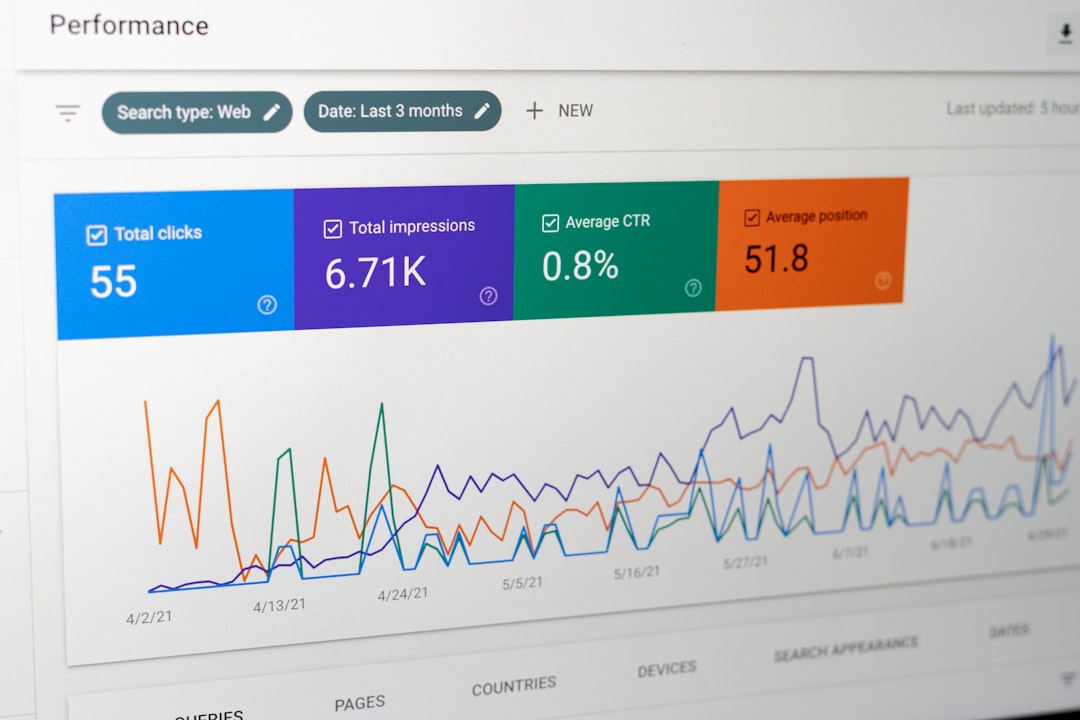
For pure brand visibility, Semrush usually wins. It gives a wider view of how a brand appears across organic search, paid search, local results, and competitors. That matters because brand perception is not limited to backlinks.
Semrush can show if competitors are bidding on branded keywords. It can also show ad copy patterns and paid keyword overlap. This is useful for audits because paid search can shape brand perception quickly. If a competitor is running ads against your brand name, leadership needs to know.
Ahrefs has paid keyword data too, but Semrush is generally more useful for PPC research. For agencies offering brand audit services, Semrush reports often feel closer to what clients expect: traffic estimates, keyword tables, competitive charts, and visibility trends.
Technical SEO Audits: Both Work, Semrush Is More Guided
Semrush has a strong Site Audit tool. It checks crawlability, HTTPS, Core Web Vitals, internal links, duplicate content, broken pages, metadata, redirects, and more. The reports are clear, with issue severity and suggested fixes.
Ahrefs also has a solid site audit tool. It is clean, visual, and useful for technical SEO checks. Many SEO specialists like how Ahrefs organizes issues and crawl data. Still, Semrush feels more guided for mixed teams that include non-technical marketers.
If you are presenting to a founder, CMO, or brand manager, Semrush issue summaries may be easier to explain. If you are handing tasks to an SEO specialist, Ahrefs can be just as useful.
Competitor Research: Semrush Is Broader, Ahrefs Is Sharper
Semrush gives a broader competitor picture. You can compare organic visibility, paid search, keyword overlap, traffic estimates, and market share style data. This is helpful for a brand audit because executives often want a simple answer: Are we ahead or behind?
Ahrefs is sharper when the comparison is SEO specific. It shows why a rival page ranks, which links support it, and what content structure seems to work. For hands-on SEO planning, that can be more useful than a wide report.
Honestly, it feels a bit annoying that neither tool fully solves brand sentiment. You still need review platforms, social listening tools, surveys, or PR monitoring for a complete reputation audit. Semrush and Ahrefs show search and visibility signals, not how people truly feel.
Reporting and Client Deliverables
Semrush is better for polished audit reports. Its PDF reports, dashboards, and tool variety help agencies package findings. You can create sections for SEO health, keywords, competitors, backlinks, local listings, and advertising.
Ahrefs reports are useful, but the platform feels more analyst focused. That is not a bad thing. It just means you may spend more time turning raw findings into a client-ready deck.
For brand audit services, presentation matters. A messy export can weaken strong findings. Semrush has an advantage here because it was clearly designed with agencies and marketing teams in mind.

Pricing and Value
Both tools are serious investments. Semrush may offer more total features for teams that need SEO, PPC, local, content, and competitor research. Ahrefs may offer better value for SEO teams focused on links, rankings, and content gaps.
If you sell brand audit services, Semrush can support more audit packages. You can build a basic SEO audit, a competitive brand audit, a local visibility audit, or a paid search review. Ahrefs fits best as a specialist tool for organic growth and authority checks.
Best Choice by Use Case
- Choose Semrush if you need a full brand and SEO audit in one platform.
- Choose Semrush for local brands, PPC checks, competitor visibility, and client reporting.
- Choose Ahrefs if backlinks and organic authority are the biggest concern.
- Choose Ahrefs for domain migrations, link loss checks, and content gap research.
- Use both for premium audits where accuracy and depth matter more than tool cost.
The practical winner is Semrush for brand audit services and Ahrefs for deep SEO authority audits. If a client asks, “How does our brand look online?”, start with Semrush. If they ask, “Why are competitors outranking us?”, open Ahrefs. The smartest audit teams use Semrush to map the full picture, then use Ahrefs to prove the link and content story behind it.