
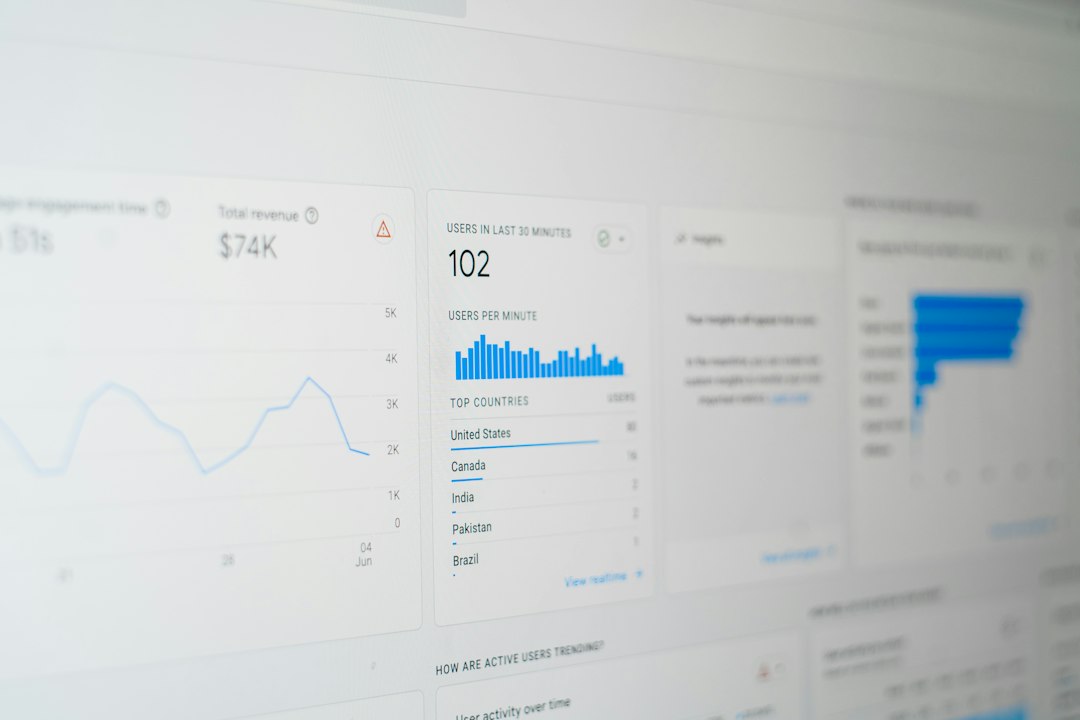
Choose Semrush if you want the stronger day-to-day keyword monitoring dashboard; choose Ahrefs if backlink context and cleaner keyword research matter more. For tracking SEO keywords, Semrush usually feels more built around rank monitoring, reporting, and competitor movement. Ahrefs is excellent, but its Rank Tracker can feel less central to the product.
TLDR: Semrush is the better pick for teams that need frequent keyword position checks, client reports, and visibility tracking across many competitors. Ahrefs is better when keyword monitoring needs to sit beside backlink audits and content research. For example, a small ecommerce site tracking 500 keywords across Google desktop and mobile may save 2–3 hours per month with Semrush reports, while Ahrefs may uncover more content gaps through its keyword and link data. If rank changes affect your weekly content decisions, Semrush has the edge.
What keyword monitoring software should actually do
Keyword monitoring is not just checking whether a page moved from position 8 to position 6. That is useful, but too basic. Good software should show what changed, why it may have changed, and what to do next.
A solid keyword monitoring tool should help you track:
- Daily or scheduled ranking changes for target keywords.
- Desktop and mobile positions, since they often differ.
- Local rankings by country, city, or region.
- SERP features, such as featured snippets, local packs, videos, and People Also Ask boxes.
- Competitor gains and losses on the same terms.
- Estimated traffic impact when positions move.
- Reporting that a client or manager can read without a 20 minute explanation.
This is where Semrush and Ahrefs begin to separate. Both can track rankings. Both can research keywords. Both are trusted by SEO teams. But their strengths point in different directions.

Semrush: stronger for rank tracking and reporting
Semrush’s Position Tracking tool is one of its best features. It is designed for monitoring keyword performance over time, not just checking rankings once in a while. You can set up a project, add keywords, choose a location, track devices, and compare visibility against competitors.
The best part is how quickly it turns raw rank data into something readable. You can see visibility percentage, estimated traffic, average position, keyword movement, and SERP feature ownership. If a competitor jumps into the top three for a keyword you care about, Semrush makes that movement easy to spot.
It also works well for agencies. Reports are simple to schedule. White label options are available on higher plans. Notes can be added around algorithm updates or campaign changes. That matters when a client asks why 37 keywords dropped in the same week.
The catch is that Semrush can feel crowded. The platform includes SEO, PPC, social, content, local listings, and more. Some users love that. Others open the dashboard and wonder where to click first. Still, for pure keyword monitoring, its workflow is hard to beat.
Ahrefs: better for keyword research with ranking context
Ahrefs has a strong Rank Tracker, but the product is better known for backlinks, competitor research, and keyword discovery. Its keyword database is huge, and its traffic estimates are often useful for spotting content opportunities.
Ahrefs Rank Tracker lets you monitor keyword positions by location and device. You can group keywords with tags, compare competitors, and track share of voice. The graphs are clean. The interface feels crisp. If you already use Ahrefs for content planning, adding rank monitoring is easy.
Where Ahrefs shines is connecting rankings to broader SEO research. You can jump from a keyword to keyword ideas, competitor pages, backlink profiles, and content gaps. That is valuable when rankings drop and you need to understand whether the issue is links, intent, weak content, or tougher competition.
Honestly, it feels like Ahrefs treats rank tracking as one useful module among many, while Semrush treats it as a core reporting system. That difference matters if your team checks keyword changes every Monday morning.
Semrush vs Ahrefs: feature comparison
| Feature | Semrush | Ahrefs |
|---|---|---|
| Rank tracking | Excellent, detailed, built for monitoring | Good, clean, but less reporting focused |
| Competitor tracking | Strong visibility and share comparisons | Strong, especially when paired with content gaps |
| SERP feature tracking | Very strong | Good |
| Keyword research | Very good, broad marketing data | Excellent, especially for SEO content ideas |
| Backlink analysis | Good | Excellent |
| Client reporting | Better for agencies | Usable, but less polished for reporting |
Data freshness and accuracy
No keyword monitoring tool is perfect. Rankings vary by location, device, personalization, time of day, and SERP layout. If someone promises perfect accuracy, be skeptical.
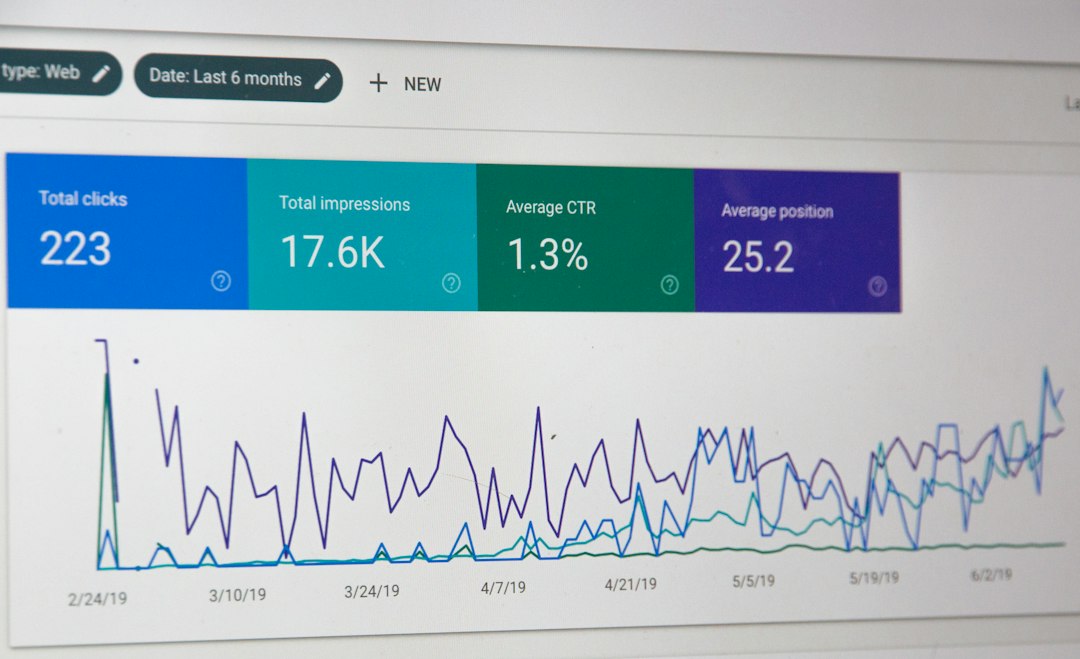
Semrush often feels more useful for tracking visible trends. You can see whether visibility is rising, if top three rankings are growing, and whether competitors are gaining ground. That is usually more useful than obsessing over a single position change.
Ahrefs also tracks movement well, but many users come to it for research first. Its rank data is helpful, yet the real value often appears when you connect a ranking drop to lost backlinks or a stronger competing page.
A smart approach is to watch groups of keywords, not isolated terms. If one keyword drops from 5 to 7, do not panic. If 40 high intent keywords fall by an average of 3 positions, that deserves attention.
Which tool is easier to use?
Semrush gives you more reporting controls, but it can feel busy. There are many tabs, panels, and side tools. New users may need a few sessions before the system feels comfortable.
Ahrefs feels cleaner. Its menus are simpler, and the main research tools are easy to understand. It drives me crazy that some rank tracking tasks still take a few extra clicks compared with Semrush, especially when you are checking keyword groups, tags, and competitor movement in one sitting.
For a solo blogger, Ahrefs may feel less overwhelming. For an SEO manager or agency specialist, Semrush gives more monitoring depth.
Best use cases for Semrush
- SEO agencies managing reporting for many clients.
- Local SEO teams tracking city level searches.
- Ecommerce sites monitoring hundreds or thousands of product keywords.
- Content teams that need weekly ranking reports.
- Managers who want visibility scores, not just keyword lists.
Semrush is a strong fit when keyword monitoring needs to be predictable, repeatable, and easy to share.
Best use cases for Ahrefs
- Content marketers finding new topics and keyword gaps.
- SEO specialists who care deeply about backlinks.
- Bloggers comparing competing pages before writing.
- Technical SEO teams investigating drops with link and page data.
- Startups that want research and rank tracking in one clean tool.
Ahrefs is a great pick when keyword positions are part of a bigger research process, not the whole job.
Pricing and value
Both tools are premium products. Neither is cheap. Semrush may offer better value for teams that use reports, position tracking, competitor visibility, PPC data, and content tools. Ahrefs may offer better value if backlinks and keyword research are your daily work.
Before choosing, count how many keywords you need to track. Also check how many projects, users, locations, and reports are included in the plan. A plan that looks affordable can become limiting fast if you need mobile tracking across ten cities.

Final verdict
Semrush wins for monitoring SEO keywords. Its Position Tracking tool is more complete, more report friendly, and better suited for ongoing rank checks. It gives teams a faster way to spot changes, explain performance, and track competitors.
Ahrefs wins for research depth around those keywords. If you want to understand content gaps, backlinks, and why a competing page is winning, Ahrefs is excellent.
The practical answer is simple. Pick Semrush if rank monitoring is a weekly or daily workflow. Pick Ahrefs if keyword monitoring supports deeper SEO research. If budget allows only one tool and reporting matters, Semrush is the safer choice for keyword monitoring software.