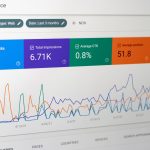
The best time to post on Instagram today is the next hour when your active followers overlap with rising engagement from your last 24 to 72 hours. Do not copy a generic “best time” chart and hope it works. Use your own audience data first, then compare it with recent post behavior, time zone, content type, and how quickly people are reacting right now.
TLDR: Check Instagram Insights for when your followers are most active today, then confirm it against recent engagement speed. If your audience activity peaks at 7 p.m. and your last three posts gained 42% of total likes within the first hour, publish 30 to 60 minutes before that peak. For example, a local fitness coach with 8,000 followers may find that Tuesday Reels posted at 6:15 p.m. get 28% more saves than posts shared at noon. Test that pattern for two weeks before treating it as reliable.
Why “best time to post today” is not one fixed hour
Instagram timing is personal. A food blogger, a B2B consultant, and an online store will not share the same best posting window. Their followers have different habits. Their content also asks for different behavior.
A Reel may perform well after work. A carousel with tips may do better during lunch. A product drop may need an evening slot when people have time to browse and buy. The real question is not “What time does Instagram like?” It is “When are my people online and ready to act?”
That means you need to read two signals together:
- Audience activity: when your followers are online.
- Engagement pattern: when your posts get likes, comments, shares, saves, profile visits, or clicks.
One without the other is weak. High follower activity does not always mean high response. Some people scroll but ignore posts. Others engage heavily during short breaks. Your job is to find the overlap.

Step 1: Check Instagram Insights before you post today
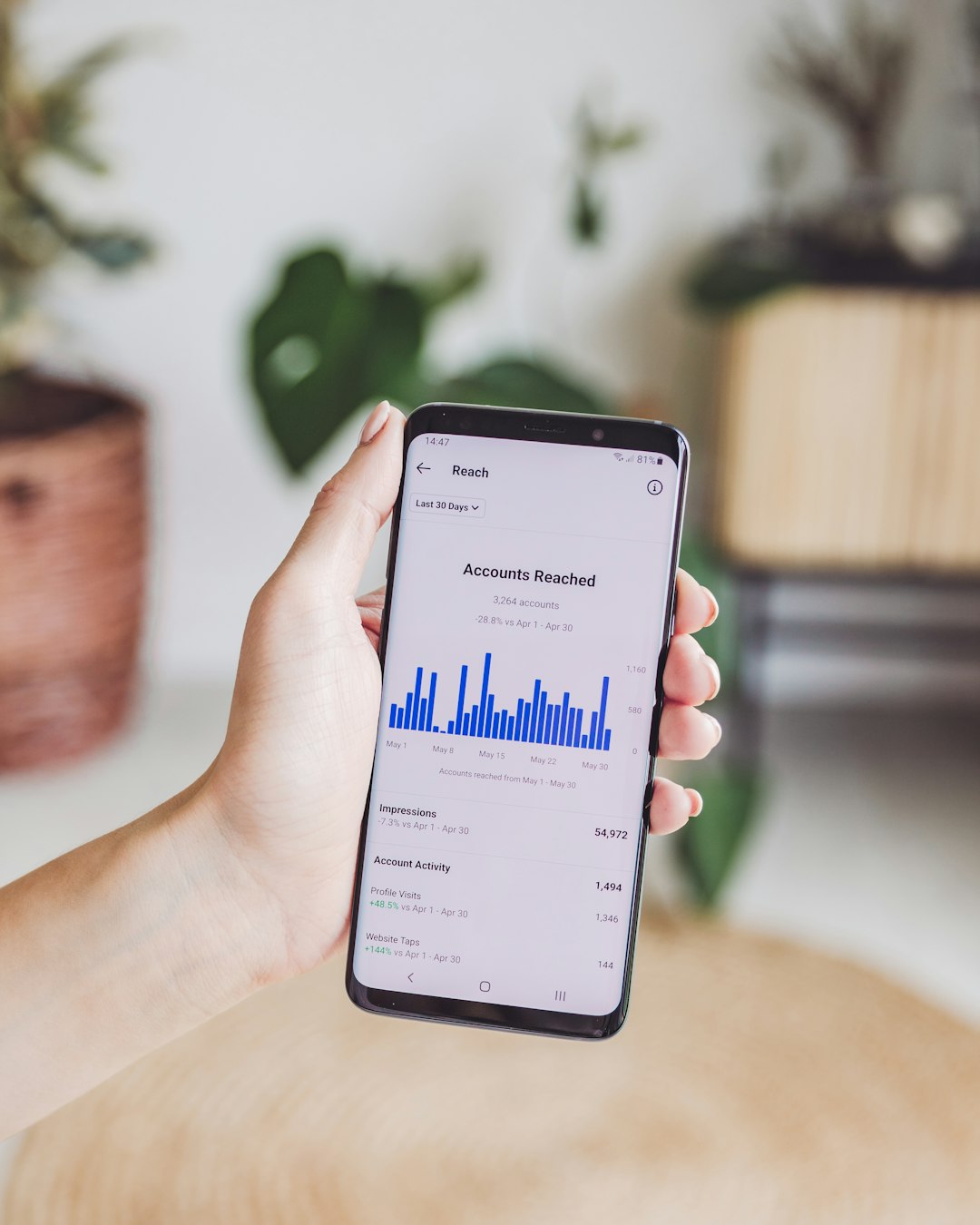
If you use a professional or creator account, open Instagram Insights. Go to your audience section and review the days and hours when followers are most active. Focus on today first, then compare it to the same day over the last few weeks.
Look for:
- Top active hours for your followers.
- Top active days across the week.
- Main cities or countries in your audience.
- Age groups that may affect work, school, or shopping habits.
The catch is that Instagram’s interface can feel oddly slow when you only need one simple answer. Expect to spend a few extra seconds moving between screens and comparing hours manually. Still, this data is better than guessing.
If your account shows that followers are most active at 6 p.m., 7 p.m., and 8 p.m., do not post exactly at the busiest minute by default. Try posting 30 to 60 minutes before the peak. This gives the post time to collect early reactions before the biggest audience window opens.
Step 2: Measure engagement speed, not just total likes
Total likes can fool you. A post may reach many people after two days, but that does not mean the posting time was strong. For timing, the first few hours matter more.
Track what happens at these checkpoints:
- 15 minutes after posting
- 1 hour after posting
- 3 hours after posting
- 24 hours after posting
Write down likes, comments, shares, saves, reach, and profile visits. For Reels, add average watch time and replays. For Stories, add replies, sticker taps, link clicks, and exits.
A useful signal is the first hour engagement rate. Use this formula:
First hour engagement rate = first hour engagements ÷ reach after one hour × 100
If a carousel reached 900 people in the first hour and received 72 total engagements, the rate is 8%. If your usual first hour rate is 4%, that time slot deserves more testing.
Step 3: Separate timing by content type
Do not mix all posts into one average. This is where many accounts make bad decisions. A Reel, carousel, Story, and single image do not behave the same way.
Use separate timing notes for:
- Reels: often benefit from strong early watch time and shares.
- Carousels: often need users with time to read and save.
- Single images: often rely on instant visual appeal.
- Stories: work well during repeated check-in periods, such as morning commute, lunch, and evening.
- Live sessions: need advance notice and a time when viewers can stay longer.
Honestly, it feels careless when scheduling tools treat every format like the same object. A 12-slide educational carousel is not the same as a 9-second Reel. Your timing plan should reflect that.

Step 4: Adjust for time zones and buyer intent
If your followers live across several regions, your best time may belong to the largest or most valuable group, not the biggest total number. A U.S. brand with followers in New York, Los Angeles, and London may see several peaks in one day.
Start with your business goal. If you sell mostly to East Coast customers, prioritize Eastern Time. If your strongest buyers are in the evening after work, test after 6 p.m. local time. If your account serves students, late afternoon and night may beat early morning.
For global audiences, rotate time slots. For example:
- Monday: 8 a.m. Eastern Time
- Wednesday: 1 p.m. Eastern Time
- Friday: 7 p.m. Eastern Time
After two to four weeks, compare results by region if your analytics allow it. Pay close attention to saves, shares, clicks, and replies. Those signals often say more than likes.
Step 5: Use today’s engagement pattern before choosing the final time
Before posting today, check what has already happened. Your audience may be more active than usual because of a holiday, payday, weather, a major event, or a trend in your niche.
Review these quick signals:
- Did your Story views rise or drop today?
- Are people replying to polls or stickers?
- Did your last post gain comments faster than normal?
- Are competitors in your niche getting strong reactions today?
- Is there a topic your audience is already discussing?
If your Story posted at 10 a.m. has already reached 65% of your usual full-day views by noon, that is a sign of higher activity. You may want to post earlier than planned. If engagement is flat, wait for your normal peak.
A simple posting decision process for today
Use this practical order before you publish:
- Find today’s top active follower hours in Instagram Insights.
- Check your last five posts and mark which hours produced the best first hour response.
- Choose the overlap between active followers and strong engagement speed.
- Post 30 to 60 minutes before the activity peak if your content needs time to warm up.
- Track results at 1 hour, 3 hours, and 24 hours.
Here is a simple example. Suppose your followers are most active today at 8 p.m.. Your last five evening posts averaged a 6.5% first hour engagement rate, while lunch posts averaged 3.1%. Your best move is to publish around 7:15 p.m. to 7:30 p.m., then measure whether the post beats your normal evening rate.
Common mistakes that weaken Instagram timing
- Posting only when it is convenient for you. Your schedule is not always your audience’s schedule.
- Changing too many things at once. If you change time, format, topic, caption, and hashtag set together, you will not know what caused the result.
- Trusting one viral post. One strong result can be random. Look for repeated patterns.
- Ignoring saves and shares. These actions often show deeper value than likes.
- Using averages from other industries. Broad studies are useful for ideas, not final decisions.
How long to test before choosing your best time
Run timing tests for at least two weeks. Four weeks is better if you post often. Split your tests across two or three time windows, such as morning, lunch, and evening. Keep the content quality similar where possible.
Use a simple spreadsheet. Track date, time, format, topic, reach, first hour engagements, saves, shares, comments, profile visits, and clicks. After enough posts, patterns will appear.
Your best time is not permanent. Audience behavior changes. School seasons, work routines, holidays, and platform habits all affect results. Review your timing once a month. If reach falls for several posts, test a new slot before assuming the content is the problem.
The best time to post on Instagram today is the time your current audience is both present and responsive. Start with Insights, confirm with early engagement, and keep records. That gives you a serious timing decision based on evidence, not a recycled chart.