
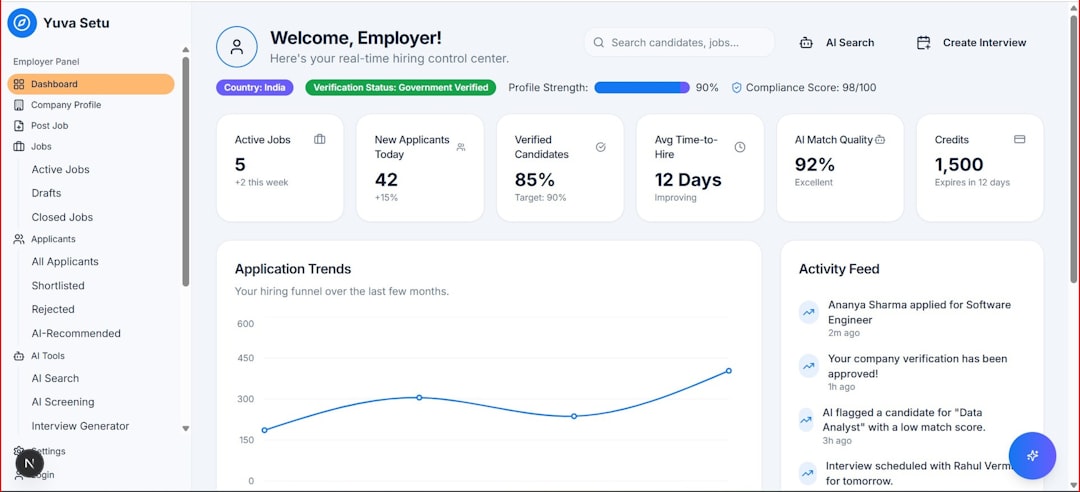
Enterprise workload automation has moved far beyond traditional batch scheduling. Modern IT teams now need platforms that can orchestrate applications, data pipelines, cloud services, mainframes, containers, and business processes from a single control layer. While AutoSys remains a well-known scheduler, many organizations evaluate alternatives when they need stronger cloud support, easier administration, broader integrations, improved observability, or more flexible licensing.
TLDR: The best AutoSys alternatives include Control-M, Stonebranch Universal Automation Center, Redwood RunMyJobs, ActiveBatch, IBM Workload Automation, Jenkins, Apache Airflow, and Prefect. The right choice depends on whether an organization prioritizes enterprise governance, cloud-native orchestration, data pipeline management, DevOps automation, or cost control. AutoSys competitors increasingly offer visual workflow design, API-first automation, managed SaaS options, and deeper integration with modern infrastructure.
Why Organizations Look for AutoSys Alternatives
AutoSys has long been used for enterprise job scheduling, especially in environments with complex dependencies and legacy workloads. However, modernization initiatives often expose gaps between older scheduling approaches and current automation requirements. Many teams now need to coordinate workloads across hybrid cloud infrastructure, containers, ERP systems, data warehouses, CI/CD pipelines, and analytics platforms.
Common reasons for considering alternatives include:
- Cloud adoption: Organizations may need better support for AWS, Microsoft Azure, Google Cloud, Kubernetes, and serverless services.
- Improved usability: Some teams prefer more intuitive interfaces, drag-and-drop workflow builders, and self-service automation portals.
- Broader integrations: Modern workload automation platforms often include prebuilt connectors for databases, storage, APIs, ERP tools, and DevOps platforms.
- Operational visibility: Real-time monitoring, dashboards, SLA tracking, and predictive alerts are increasingly important.
- Flexible deployment: SaaS, private cloud, and containerized deployment options can be more attractive than traditional enterprise setups.
- Cost optimization: Licensing, infrastructure, and administration costs may motivate a review of competing products.

1. Control-M
Control-M by BMC is one of the strongest enterprise-grade AutoSys alternatives. It is widely used by large organizations that need reliable orchestration for business-critical workloads. It supports complex dependencies, SLA management, file transfers, application workflows, data pipelines, and hybrid cloud automation.
Control-M is especially suitable for enterprises that need centralized governance and visibility across many platforms. Its interface allows teams to model workflows visually, monitor execution, and manage exceptions before they affect downstream services. It also offers strong integrations with tools such as SAP, Informatica, Hadoop, Snowflake, AWS, Azure, and Kubernetes.
Best for: Large enterprises with complex, mission-critical workload environments.
Key strengths:
- Robust enterprise scheduling and orchestration
- Strong SLA and business service management
- Extensive integrations with enterprise applications
- Good support for hybrid and multi-cloud environments
2. Stonebranch Universal Automation Center
Stonebranch Universal Automation Center is a modern workload automation platform designed for real-time, event-based orchestration. It focuses on connecting IT operations, DevOps, data workflows, and cloud automation in a single control plane.
One of Stonebranch’s major advantages is its event-driven architecture. Instead of relying only on time-based scheduling, it can trigger processes based on file arrivals, API calls, system events, application status, or business conditions. This makes it a strong option for organizations pursuing real-time automation and digital operations.
Stonebranch also offers strong API capabilities, managed file transfer, cloud integrations, and support for infrastructure automation tools. It is often considered by organizations that want to modernize from a traditional scheduler into a more flexible automation orchestration platform.
Best for: Organizations that need event-driven automation across hybrid IT and cloud environments.
Key strengths:
- Real-time, event-based workload orchestration
- Strong API and DevOps integration
- Good support for hybrid cloud operations
- Centralized control of distributed automation
3. Redwood RunMyJobs
Redwood RunMyJobs is a SaaS-based workload automation platform that appeals to organizations seeking lower infrastructure overhead and faster deployment. Since it is delivered as a cloud-native automation solution, teams can avoid managing scheduler servers, databases, upgrades, and much of the traditional infrastructure burden.
RunMyJobs is known for its strong support for enterprise applications, particularly SAP and Oracle environments. It also supports finance automation, supply chain processes, data workflows, and cloud service orchestration. Its low-code interface can help business and IT teams collaborate on automation without requiring heavy scripting.
Best for: Organizations that prefer SaaS workload automation with strong ERP and business process support.
Key strengths:
- Cloud-native SaaS deployment
- Strong SAP, Oracle, and business process automation
- Low-code workflow design
- Reduced infrastructure maintenance

4. ActiveBatch
ActiveBatch by Redwood is another popular AutoSys alternative for workload automation and enterprise job scheduling. It combines visual workflow building, extensive integrations, and centralized automation management. It is often selected by mid-sized and large organizations that want to automate business and IT processes without writing excessive custom scripts.
ActiveBatch includes a large library of prebuilt job steps for databases, file systems, cloud platforms, ERP systems, and IT service management tools. This can reduce the need for custom coding and simplify long-term maintenance. It also supports event-based triggers, SLA monitoring, alerting, and role-based access control.
Best for: Organizations seeking a user-friendly automation platform with many prebuilt integrations.
Key strengths:
- Drag-and-drop workflow creation
- Large library of prebuilt connectors
- Strong event and schedule-based automation
- Good monitoring and alerting features
5. IBM Workload Automation
IBM Workload Automation, formerly associated with Tivoli Workload Scheduler, is a mature enterprise platform for scheduling and orchestrating workloads across distributed, mainframe, and cloud environments. It is particularly relevant for organizations already invested in IBM technologies or those running mixed mainframe and distributed workloads.
The platform supports advanced dependency management, predictive analytics, monitoring, and integration with enterprise applications. It can be deployed on-premises or in cloud environments, giving organizations flexibility when modernizing existing workload automation estates.
Best for: Enterprises with mainframe workloads, IBM ecosystems, or highly regulated operational environments.
Key strengths:
- Strong mainframe and distributed workload support
- Enterprise-grade reliability and governance
- Predictive analytics and workload monitoring
- Good fit for IBM-centric infrastructure
6. Tidal Automation
Tidal Automation is a workload automation and job scheduling platform designed for enterprise IT operations, data centers, and application teams. It provides centralized control over workloads across applications, operating systems, databases, and cloud platforms.
Tidal is often valued for its broad adapter ecosystem and ability to manage complex dependencies across business systems. It supports automation for ERP platforms, data warehouses, file transfers, and IT processes. Organizations that want a traditional enterprise scheduler with modern integration capabilities may find it a practical AutoSys replacement.
Best for: Enterprises that need centralized scheduling with broad application connectivity.
Key strengths:
- Broad library of adapters and connectors
- Centralized job scheduling and monitoring
- Strong dependency management
- Suitable for business application automation
7. Jenkins
Jenkins is not a traditional enterprise workload automation platform, but it is frequently used as an alternative for DevOps-oriented scheduling and automation. It is open source and highly extensible, with thousands of plugins for software builds, testing, deployment, infrastructure automation, and notifications.
Jenkins can schedule jobs, trigger pipelines, run scripts, execute workflows, and integrate with Git, Docker, Kubernetes, cloud services, and CI/CD tooling. However, it may require more hands-on maintenance than commercial workload automation platforms. It also lacks some enterprise scheduler features out of the box, such as advanced SLA management, centralized business calendars, and native cross-platform workload governance.
Best for: DevOps teams focused on CI/CD automation and script-driven workflows.
Key strengths:
- Open-source flexibility
- Huge plugin ecosystem
- Strong CI/CD pipeline automation
- Good fit for development and DevOps teams
8. Apache Airflow
Apache Airflow is a widely adopted open-source platform for authoring, scheduling, and monitoring workflows, especially data pipelines. Workflows are defined as code using Python, which makes Airflow popular among data engineers and analytics teams.
Airflow is a compelling AutoSys alternative when the primary use case is data movement, transformation, machine learning pipeline coordination, or analytics workflow orchestration. It integrates well with cloud data services, databases, containers, and modern data platforms. However, it may not be ideal as a full enterprise scheduler replacement for every IT workload, especially when strong business-user interfaces or mainframe scheduling are required.
Best for: Data engineering teams managing complex data pipelines.
Key strengths:
- Python-based workflow definitions
- Strong ecosystem for data orchestration
- Open-source and cloud-friendly
- Good visibility into data pipeline execution
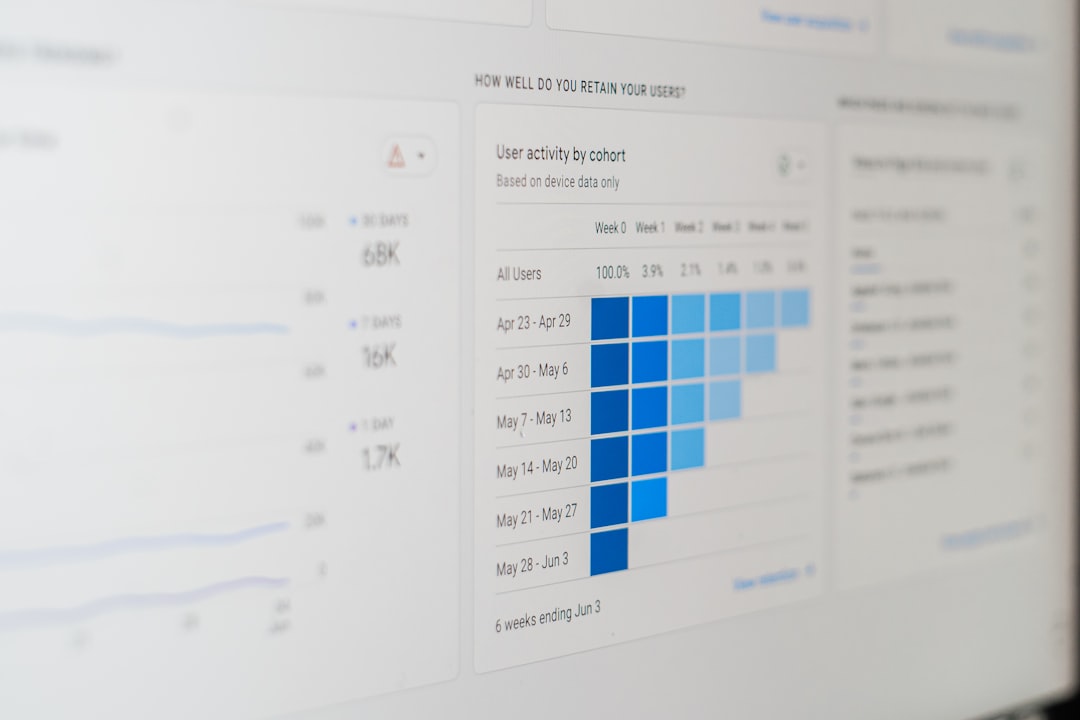
9. Prefect
Prefect is a modern workflow orchestration platform often compared with Airflow. It is designed for data-intensive workflows and offers a developer-friendly approach to building, scheduling, monitoring, and recovering automated processes. Prefect is available as an open-source framework and as a managed cloud service.
Prefect’s appeal lies in its flexible Python-native model, strong observability, and simpler handling of dynamic workflows. It is especially useful for teams that want to orchestrate data, analytics, and machine learning workflows without adopting heavier enterprise scheduling software.
Best for: Data teams that need flexible, Python-based orchestration with modern monitoring.
Key strengths:
- Developer-friendly workflow design
- Strong support for dynamic data workflows
- Managed cloud option available
- Good observability and retry handling
How to Choose the Right AutoSys Alternative
Selecting the best AutoSys replacement depends on the organization’s workload profile, technical maturity, compliance needs, and modernization goals. A platform that works well for a data engineering team may not satisfy the needs of a bank running mainframe batch cycles and regulated financial close processes.
Key evaluation criteria should include:
- Workload coverage: The platform should support current and future workloads, including cloud, ERP, databases, file transfers, scripts, containers, and legacy systems.
- Deployment model: Buyers should compare SaaS, on-premises, private cloud, and hybrid deployment choices.
- Ease of migration: Migration tooling, vendor services, and support for AutoSys job conversion can significantly affect project risk.
- Integration depth: Native connectors can reduce scripting and simplify maintenance.
- Governance and security: Role-based access, audit trails, compliance reporting, and secrets management are essential for enterprise use.
- Monitoring and alerting: Dashboards, SLA tracking, failure prediction, and automated remediation can reduce downtime.
- Total cost of ownership: Licensing, infrastructure, support, training, and administration should all be considered.
Best Overall Recommendations
For large enterprises seeking a direct AutoSys alternative, Control-M, Stonebranch, Redwood RunMyJobs, and ActiveBatch are often the strongest commercial candidates. They provide the enterprise governance, integrations, scheduling depth, and operational visibility expected from a mature workload automation platform.
For organizations with mainframe-heavy environments, IBM Workload Automation remains a strong option. For teams focused primarily on DevOps, Jenkins can be practical when combined with strong operational discipline. For data engineering and analytics teams, Apache Airflow and Prefect may offer a more natural fit than traditional schedulers.
Ultimately, the best AutoSys alternative is not simply the platform with the longest feature list. It is the solution that aligns with the organization’s operating model, automation roadmap, application landscape, and staffing capabilities.
FAQ
What is the best AutoSys alternative?
The best AutoSys alternative depends on the use case. Control-M is often a strong fit for large enterprises, Stonebranch is well suited for event-driven automation, Redwood RunMyJobs works well for SaaS-based workload automation, and Airflow is popular for data pipelines.
Is AutoSys still used?
Yes. AutoSys is still used by many enterprises for batch scheduling and workload automation. However, some organizations evaluate alternatives as they modernize cloud, data, DevOps, and hybrid infrastructure operations.
Which AutoSys alternative is best for cloud workloads?
Redwood RunMyJobs, Stonebranch, Control-M, and ActiveBatch all offer strong cloud automation capabilities. The best choice depends on whether the organization prefers SaaS delivery, event-driven orchestration, enterprise governance, or broad connector coverage.
Which open-source tools can replace AutoSys?
Apache Airflow, Jenkins, and Prefect are common open-source or open-core options. They can be effective for specific workloads, but may require more engineering effort and governance planning than commercial enterprise schedulers.
Is Apache Airflow a full replacement for AutoSys?
Apache Airflow can replace AutoSys for many data pipeline and analytics orchestration use cases. However, it may not be a full replacement for organizations that need broad enterprise scheduling, mainframe support, business calendars, advanced SLA governance, or packaged application automation.
What should an organization consider before migrating from AutoSys?
An organization should assess job dependencies, calendars, scripts, integrations, compliance requirements, monitoring needs, and migration complexity. It should also run a proof of concept with representative workloads before committing to a full migration.