Ever watched a puppy tumble over its own paws and thought, “Okay, this is adorable, but does it actually matter?” Spoiler alert: yes, it matters a lot. That joyful chaos you see is what people call valplekar, and it plays a huge role in how a puppy grows into a confident, well-behaved dog.
I’ve raised a couple of puppies myself, and trust me, ignoring playtime never ends well. One bored pup + zero structure = shredded slippers. So let’s talk about valplekar, what it really means, and why it deserves more respect than it gets.
What Valplekar Actually Means (No Mysticism Here)
Let’s clear the air first.
Valplekar comes from Swedish, where valp means puppy and lekar means play. So yes, valplekar literally means “puppy play.” Simple, clean, no smoke and mirrors.
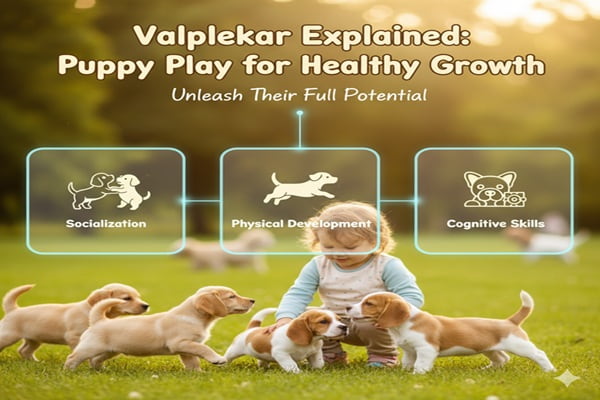
Some websites hype it up like an ancient secret system, but IMO that’s overkill. Valplekar focuses on intentional, healthy play that supports physical growth, mental development, and social skills.
Ever wondered why puppies seem to learn faster when they play? That’s valplekar doing its thing.
Why Valplekar Matters More Than You Think
Puppy play looks random, but it follows patterns that help puppies grow properly. Puppies don’t just play for fun they practice life skills.
When you encourage the right kind of play, you help your puppy:
-
Build strong muscles and coordination
-
Develop emotional balance
-
Learn social boundaries
-
Burn energy without chaos
Skip this stage, and problems sneak in later. Nobody wants that, right?
Physical Benefits of Valplekar
Stronger Bodies Without Forced Exercise
Puppies shouldn’t lift weights or run marathons. They need natural movement, and valplekar gives them exactly that.
During play, puppies:
-
Run, stop, twist, and tumble
-
Strengthen muscles naturally
-
Improve balance and reflexes
I’ve noticed puppies that play daily move with more confidence. They trip less and recover faster when they do faceplant. Funny, but also impressive.
Healthy Bones and Joints
Play encourages low-impact movement, which supports healthy bone development. Puppies don’t need rigid routines. They need freedom with boundaries.
Valplekar protects growing joints far better than forced walks or repetitive drills.
Mental Development: The Hidden Power of Valplekar
Play Builds Smarter Puppies
Play activates a puppy’s brain in ways training alone can’t. When puppies chase, solve, or explore, they practice thinking.
Mental benefits include:
-
Better focus
-
Improved memory
-
Faster learning
I once introduced a simple treat-hunt game to a stubborn puppy. Two days later, that pup learned “sit” in minutes. Coincidence? I don’t think so.
Less Boredom, Fewer Bad Habits
Bored puppies invent jobs. Usually destructive ones.
Valplekar keeps their brains busy, which reduces chewing, digging, and unnecessary barking. FYI, mental tiredness works better than physical exhaustion.
Emotional Balance Starts With Play
Confidence Grows Through Play
Play teaches puppies that the world feels safe. When puppies explore through play, they face small challenges without fear.
This helps them:
-
Handle new environments calmly
-
Recover from surprises faster
-
Trust humans and other dogs
Confident puppies grow into relaxed adults. Nervous puppies grow into problems.
Stress Relief for Tiny Dogs
Puppies feel stress too. Loud noises, new people, strange smells it’s a lot.
Valplekar helps release stress naturally, which keeps puppies emotionally balanced. Play gives them an outlet instead of anxiety.
Social Skills: Where Valplekar Really Shines
Puppies Learn Dog Language Through Play
Puppies don’t read manuals. They learn social rules by interacting.
During valplekar, puppies learn:
-
Bite inhibition
-
Body language cues
-
When to stop
I’ve watched puppies correct each other better than humans ever could. One yelp ends rough play instantly. That’s education in action.
Human-Puppy Bonding
Play builds trust faster than commands alone.
When you play with your puppy:
-
You become fun, not scary
-
Training feels rewarding
-
Communication improves
Ever noticed puppies listen better after playtime? Exactly.
Structured vs Unstructured Valplekar
Not all play looks the same, and that’s a good thing.
Structured Valplekar (Guided Play)
Structured play includes rules and purpose. You guide the game and set limits.
Examples:
-
Fetch with a “drop it” rule
-
Tug games with pauses
-
Simple obstacle games
Structured play teaches self-control while keeping things fun.
Also Read : Hormita Explained: Benefits, Meaning, Energy & Nature Link
Unstructured Valplekar (Free Play)
Free play lets puppies make choices.
Examples:
-
Solo toy play
-
Puppy-to-puppy play
-
Exploring safe spaces
Unstructured play encourages creativity and independence. Balance matters here.
Best Valplekar Activities for Puppies
Here’s where things get practical.
Physical Play Ideas
-
Fetch for coordination and recall
-
Gentle tug-of-war for impulse control
-
Chasing soft toys for speed and agility
Keep sessions short. Puppies tire quickly.
Mental Play Ideas
-
Snuffle mats
-
Hide-and-seek with treats
Mental games exhaust puppies faster than running, and your furniture will thank you 🙂
Social Play Ideas
-
Supervised puppy playdates
-
Family play sessions
-
Puppy training classes
Social exposure during play shapes confident adult dogs.
Valplekar and Nutrition: An Underrated Connection
Play demands fuel.
Puppies who engage in regular valplekar need:
-
Balanced protein
-
Essential minerals
-
Proper hydration
I’ve noticed puppies with better diets recover faster after play. Energy levels stay steady instead of crashing.
Nutrition supports play, and play improves appetite. It’s a feedback loop worth respecting.
Common Valplekar Mistakes to Avoid
Overstimulating the Puppy
Too much play can backfire.
Signs of overstimulation include:
-
Nipping
-
Zoomies that won’t stop
-
Ignoring cues
Short, frequent play sessions work better than marathon chaos.
Ignoring Rest Time
Play needs balance.
Puppies need naps to process learning. If your puppy turns wild, they probably need sleep not more play.
Valplekar vs Traditional Training
Training teaches obedience. Valplekar teaches life skills.
Here’s the difference:
-
Training focuses on commands
-
Valplekar focuses on behavior
-
Training needs structure
-
Valplekar needs freedom
Both matter, but play lays the foundation training builds on.
Why Valplekar Shows Up All Over the Internet
You might wonder why this word pops up everywhere.
Simple reasons:
-
It sounds unique
-
It ties naturally to puppy growth
-
SEO loves niche terms
Some sites stretch the meaning, but the core stays the same: healthy puppy play.
Valplekar as a Surname (Yes, Really)
Here’s a curveball.
Valplekar also appears as an Indian surname, especially in parts of Maharashtra and Goa. In that context, “-kar” connects families to regions.
This has nothing to do with puppies, but language loves coincidences.
How Valplekar Shapes Adult Dogs
Puppies who experience healthy play often grow into dogs who:
-
Handle stress better
-
Communicate clearly
-
Learn faster
-
Show fewer behavior issues
I’ve seen the difference firsthand. Playful puppies become adaptable adults. Neglected puppies struggle later.
Making Valplekar Part of Daily Life
You don’t need fancy tools.
Start simple:
-
Five minutes of play after meals
-
Short games between naps
-
Consistent interaction
Consistency matters more than complexity.
Final Thoughts on Valplekar
Valplekar isn’t trendy fluff or a secret formula. It’s intentional puppy play that supports healthy growth, balanced emotions, and strong social skills.
When you invest time in play, you invest in your puppy’s future. Plus, let’s be honest playing with puppies beats scrolling your phone any day.
So next time your puppy invites you to play, say yes. You’re not just having fun you’re building a better dog.