

For businesses comparing reputation management platforms, Climbo is often evaluated as a tool for collecting reviews, improving online trust, and turning satisfied customers into visible social proof. Its value depends not only on the subscription fee, but also on how well its features support review generation, customer communication, local SEO, agency workflows, and measurable revenue growth.
TLDR: Climbo pricing is best understood as a combination of subscription costs, usage needs, onboarding, integrations, and optional agency or multi-location capabilities. The platform’s core value comes from helping businesses generate more reviews, manage reputation, and convert customer feedback into stronger trust signals. ROI depends on review volume, average customer value, conversion improvements, and how consistently the system is used. Businesses should compare the monthly cost against time saved, increased leads, higher rankings, and improved customer acquisition.
Understanding Climbo’s Pricing Model
Climbo is generally positioned as a reputation and review management solution, so its pricing is typically influenced by the number of locations, users, clients, features, and communication volume required. While exact pricing may vary depending on package, region, promotions, or custom agreements, most businesses should think about Climbo costs in terms of base software access, feature depth, and scale.
A small local business may need a simple setup for requesting reviews and displaying testimonials, while an agency may require client dashboards, white label options, reporting, and multiple account management. A multi-location brand may need centralized oversight, location-based review tracking, and more advanced permissions. These differences can significantly affect the final cost.
Core Cost Components
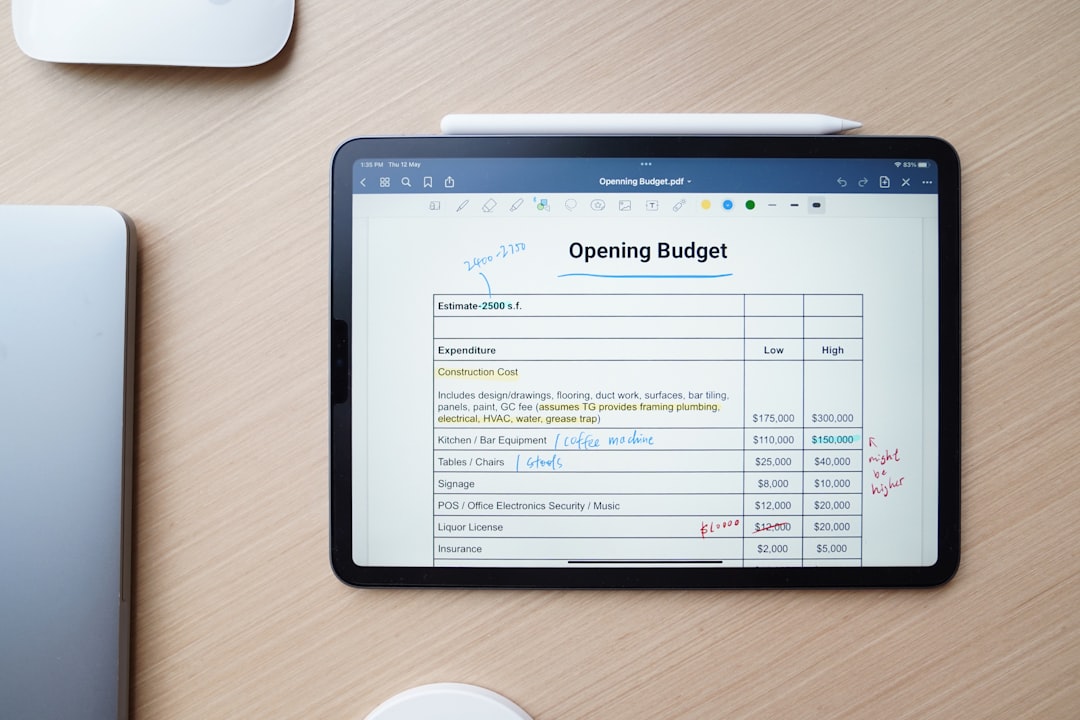
When evaluating Climbo pricing, decision makers should break the expense into several practical categories. This approach makes it easier to compare Climbo with other tools and to estimate the real monthly or annual investment.
- Subscription fee: The recurring cost for access to the platform, usually based on selected features, account type, or business scale.
- Number of locations: Businesses with multiple branches may pay more because each location needs separate review tracking, request campaigns, and reporting.
- Message volume: Review requests sent through SMS, email, or other channels can affect cost if the plan includes limits or usage-based fees.
- Onboarding and setup: Some businesses may need help configuring review funnels, importing contacts, connecting profiles, or training staff.
- Integrations: Connections to CRM systems, booking platforms, payment tools, or marketing software may be included in higher plans or sold as add-ons.
- Agency or white label features: Marketing agencies may pay more for branded portals, client management, and reseller-oriented functionality.
Typical Features Included in Climbo
Climbo’s appeal comes from the combination of automation, review collection, and reputation visibility. While specific features can differ by plan, the platform is commonly evaluated for capabilities that help businesses gather feedback and encourage satisfied customers to leave public reviews.
Review request automation is often one of the most important features. Instead of relying on staff to manually ask for reviews, businesses can use workflows that send requests after a purchase, service visit, or completed appointment. This can improve consistency and reduce missed opportunities.
Review monitoring helps teams keep track of customer feedback across important platforms. Businesses benefit from having a centralized view of ratings, comments, and performance trends. This is especially valuable for companies that depend on local search visibility or service quality perception.
Review widgets and testimonial display tools may allow companies to showcase positive feedback on websites or landing pages. This can strengthen credibility for visitors who are comparing options before contacting a business.
Analytics and reporting can help owners, managers, and agencies understand whether review campaigns are working. Useful reports may include review growth, average rating changes, response activity, customer sentiment, and location comparisons.

Entry-Level Use: Small Business Cost Considerations
For a small business, Climbo’s pricing should be judged against practical operational benefits. A restaurant, clinic, contractor, salon, or local service provider may not need every advanced feature. The most important functions are usually automated review requests, easy feedback capture, and a simple way to monitor new reviews.
At this level, the cost is justified if the platform helps the business collect reviews more consistently than manual methods. A small business should consider how many customers it serves each month, how often review requests will be sent, and whether staff members have enough time to manage feedback without automation.
If Climbo helps a business gain even a modest increase in positive reviews, the impact can be meaningful. Higher ratings and fresh reviews can improve local credibility, increase click-through rates, and help prospective customers feel more confident. For low-volume businesses, however, ROI may take longer if review opportunities are limited.
Growth and Multi-Location Pricing Factors
Growing companies and multi-location brands often need more structure. They may require different dashboards for each branch, performance comparisons, user permissions, and standardized campaigns. In these cases, Climbo pricing may increase because the platform must support more accounts, workflows, and data.
For multi-location operations, value comes from visibility and consistency. Headquarters can identify which locations are generating reviews, which need improvement, and where customer satisfaction issues are emerging. Managers can use reputation data to improve operations, train teams, and reward locations that deliver excellent experiences.
The ROI calculation for multi-location brands should include more than new reviews. It should also consider management efficiency. If Climbo reduces the time spent checking review sites, compiling reports, and following up with teams, the software can produce savings even before revenue growth is measured.
Agency and White Label Pricing Considerations
Agencies may evaluate Climbo differently from direct business users. For an agency, the platform can become part of a client service package. In that case, pricing should be compared with the revenue generated from reputation management retainers, client retention improvements, and operational efficiency.
White label functionality, branded dashboards, client reporting, and multi-client management can increase the platform’s value. However, agencies should carefully model margins. If an agency pays a monthly platform fee and then resells reputation management services, it needs enough client accounts to make the economics attractive.
An agency should also consider the cost of fulfillment. Climbo may automate many tasks, but staff may still need to help clients upload contacts, respond to reviews, interpret reports, and improve customer experience. The best ROI usually comes when the agency turns the software into a repeatable, standardized service.
ROI: How Businesses Should Measure Return
Climbo’s ROI is not limited to the number of reviews collected. A complete ROI analysis should connect reputation improvements to business outcomes. These outcomes may include more calls, better website conversion rates, improved local search performance, and stronger customer trust.
A practical ROI formula starts with the value of one new customer. If a business earns a high average profit per customer, even a small increase in conversions can cover the monthly software cost. For example, a home services company, medical practice, or legal office may need only a few additional leads to justify the investment.
Businesses should also track softer but important metrics. These include rating improvements, review response speed, customer sentiment, staff accountability, and reduced manual workload. Over time, these indicators can create a stronger reputation moat that competitors may find difficult to match.

Hidden or Indirect Costs to Consider
Even when the subscription price is clear, businesses should account for indirect costs. These costs are not always charged by the software provider, but they still affect total investment.
- Staff training: Employees may need time to learn workflows, dashboards, and review request procedures.
- Campaign setup: Businesses may need to write SMS templates, email copy, follow-up messages, and customer feedback flows.
- Data management: Contact lists must be accurate and compliant with communication rules.
- Review response time: Someone still needs to reply to reviews professionally, especially negative ones.
- Compliance oversight: Businesses should ensure review requests follow platform guidelines and local communication regulations.
When Climbo Pricing Makes the Most Sense
Climbo is most likely to make financial sense for businesses that depend heavily on trust, search visibility, and online reputation. Local service businesses, healthcare providers, hospitality companies, real estate professionals, automotive services, and agencies can benefit when reviews influence buying decisions.
The platform is especially attractive when a business has steady customer flow but inconsistent review generation. In that situation, automation can unlock value that already exists. Satisfied customers may be willing to leave reviews, but they need a timely, simple prompt.
Climbo may be less compelling for businesses with very low transaction volume, limited customer interaction, or customers who rarely use public review platforms. In those cases, a business should evaluate whether the expected review lift justifies the cost.
How to Compare Climbo With Alternatives
When comparing Climbo with other reputation management tools, businesses should avoid looking only at the monthly price. A cheaper platform may lack automation, reporting, integrations, or support that saves time. A more expensive platform may be worthwhile if it produces stronger adoption and better review growth.
Important comparison criteria include ease of use, supported review platforms, SMS and email capabilities, customization options, reporting quality, integration flexibility, customer support, and agency readiness. Businesses should also consider contract terms, cancellation policies, and whether pricing scales predictably as locations or clients increase.
Final Verdict
Climbo pricing should be evaluated through the lens of reputation impact, time savings, and customer acquisition value. The platform can be a strong investment when it helps a business systematically collect reviews, monitor feedback, and use social proof to increase conversions.
The best approach is for a business to estimate current review volume, expected improvement, average customer value, and internal time savings. If the projected gains exceed the subscription and operational costs, Climbo can deliver a positive ROI. Like most marketing tools, its success depends on consistent use, good implementation, and a clear process for turning customer satisfaction into public credibility.
FAQ
How much does Climbo cost?
Climbo pricing can vary depending on the plan, number of locations, feature requirements, message volume, and agency or white label needs. Businesses should request current pricing directly and compare it with their expected usage.
Is Climbo worth it for a small business?
Climbo can be worth it for a small business if reviews strongly influence customer decisions and the business has regular review opportunities. The strongest value usually comes from automated requests and improved online trust.
What features affect Climbo pricing the most?
The biggest pricing factors are typically locations, users, automation volume, integrations, reporting depth, and agency features. Advanced or scalable use cases generally cost more than basic review collection.
How should a business calculate Climbo ROI?
A business should compare the total cost of Climbo with the value of additional customers, higher conversion rates, improved local visibility, and time saved on manual review management.
Does Climbo replace manual review management?
Climbo can reduce much of the manual work involved in requesting and monitoring reviews, but businesses still need human oversight for responses, customer service issues, and campaign quality.
Who benefits most from Climbo?
Businesses that rely on reputation, local search, and customer trust tend to benefit most. Agencies, multi-location companies, and service-based businesses may see especially strong value when review generation is part of a broader growth strategy.