
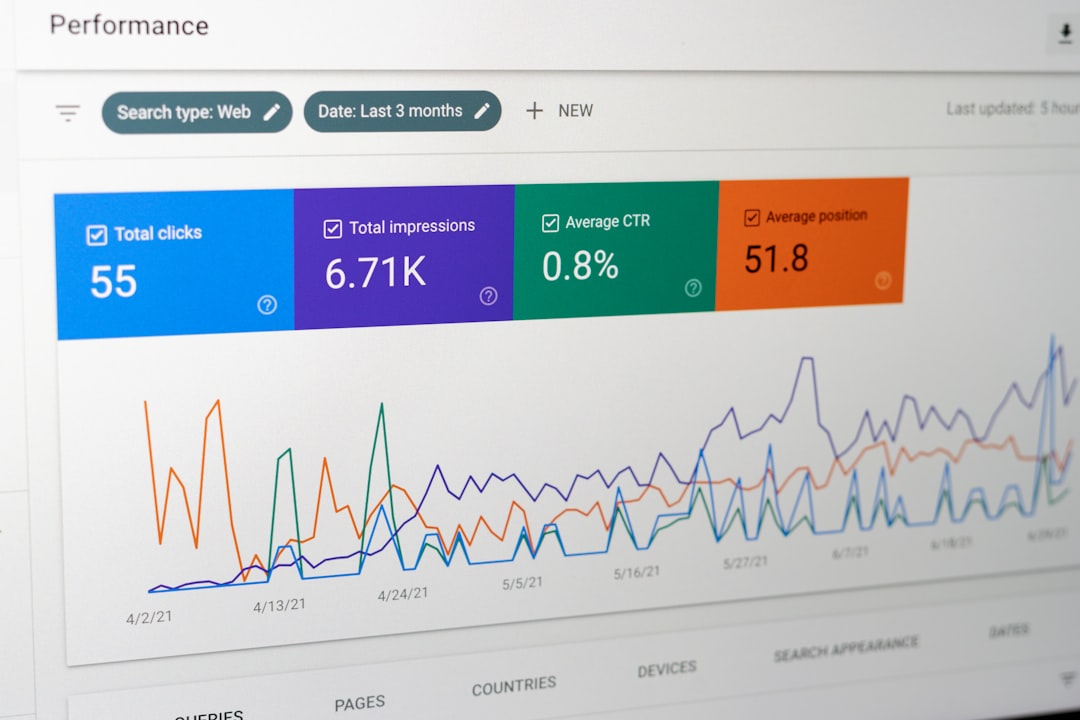
Modern marketing teams rarely treat links as simple shortcuts anymore. A campaign URL can reveal which channel is working, which audience segment is responding, and whether a message is converting attention into measurable action. BL.INK positions itself as a professional link management and analytics platform for organizations that need more than basic URL shortening, especially when consistency, governance, branded links, and reporting matter.
TLDR: BL.INK is a serious link management platform built for teams that need branded short links, reliable tracking, and structured reporting. Its strongest value is in helping organizations manage links at scale while maintaining visibility into engagement across channels and campaigns. It is best suited for marketing, communications, ecommerce, and enterprise teams that require governance and analytics rather than a simple free link shortener. Smaller users may find it more than they need, but larger teams will appreciate its control, organization, and reporting depth.
Overview: What BL.INK Is Designed to Do
BL.INK is best understood as a link management and content analytics platform. It allows users to create shortened URLs, customize them with branded domains, track click activity, organize campaigns, and evaluate performance through reporting dashboards. While the core function is straightforward, the platform is aimed at professional use cases where links are part of a broader marketing or communications workflow.
For a business, a link is often the final step between a message and an action. Whether the destination is a product page, landing page, registration form, downloadable asset, or support resource, each click can provide useful behavioral data. BL.INK brings that data into a manageable environment, helping teams understand where engagement is coming from and how links perform over time.

Link Management Features
The most visible BL.INK feature is the ability to create and manage short links. However, its value depends less on shortening alone and more on the control it provides around link structure, naming, branding, and governance.
Users can create shortened links that are easier to share across email, social media, SMS, print materials, QR codes, and offline campaigns. Instead of relying on long URLs filled with tracking parameters, teams can distribute cleaner links that are easier to read and remember. This is especially helpful in campaigns where space is limited or where trust is important.
Branded links are a central part of the platform. Rather than using a generic short domain, organizations can use their own domains or subdomains. This can improve recognition and credibility, particularly when links are sent through customer-facing channels. A branded short link looks more professional and may reduce hesitation among users who are cautious about clicking unfamiliar URLs.
Key link management capabilities typically include:
- Custom short URLs: Users can create readable, campaign-specific links instead of random character strings.
- Branded domains: Organizations can align links with their brand identity and improve trust.
- Link organization: Teams can categorize, search, and manage links across campaigns or departments.
- Destination editing: Some workflows allow teams to update the target destination without changing the short link already distributed.
- Team access controls: Permissions can help reduce errors and maintain governance in larger organizations.
The ability to update or manage links after distribution is especially important. If a landing page changes, a campaign date shifts, or a destination URL breaks, having flexible link control can prevent wasted traffic. For teams running multi-channel campaigns, this level of oversight can be more valuable than the shortening function itself.
Tracking and Content Analytics
BL.INK’s analytics capabilities are designed to answer practical marketing questions: How many people clicked? Where did they come from? When did engagement peak? Which link or campaign performed best? These insights help teams evaluate content performance without relying solely on web analytics platforms.
Click tracking is generally the foundation. The platform records engagement events and presents them in dashboards or reports. Depending on configuration and plan, users may be able to view metrics such as total clicks, unique clicks, geographic location, device type, referrer, browser, operating system, and time-based trends.
These metrics are valuable because they provide link-level context. For example, a campaign manager can compare links used in a newsletter against links used in paid social posts. A communications team can see whether a link shared in an announcement received early activity or continued engagement over several days. Sales or customer success teams can track resource engagement after outreach campaigns.
Time-based reporting is particularly useful for understanding campaign momentum. A sudden click spike may indicate that a social post gained traction, an email campaign was opened, or media coverage generated traffic. Conversely, low activity may indicate that the message, channel, or audience targeting needs attention.
BL.INK analytics should not necessarily replace full website analytics tools, but it can complement them. Website analytics platforms often focus on what happens after visitors arrive. BL.INK helps clarify how visitors reached the site through specific shared links. Used together, the two perspectives can provide a more complete view of campaign performance.
Reporting Features and Practical Use
Reporting is where BL.INK becomes most relevant for teams accountable for performance. A short link is useful, but a short link with reliable reporting becomes a campaign performance asset. Managers can review dashboards, compare results, and use data to brief stakeholders.

Reports can support several common business needs:
- Campaign reviews: Teams can evaluate which links, channels, or messages generated the most engagement.
- Executive summaries: Marketing leaders can use link analytics to provide concise evidence of campaign reach.
- Content optimization: Underperforming links can signal weak calls to action, poor placement, or audience mismatch.
- Channel comparison: Teams can compare email, social, SMS, print, and partner campaigns using consistent link data.
- Operational monitoring: Link performance can reveal broken journeys, unexpected spikes, or declining engagement.
For more mature teams, the value of reporting is not simply in seeing totals but in establishing repeatable measurement practices. If every campaign uses structured link naming, consistent parameters, and clear ownership, then reporting becomes easier and more credible. BL.INK supports this kind of discipline by centralizing link creation and analytics.
Governance, Security, and Team Collaboration
One reason organizations graduate from basic link shorteners to enterprise-oriented platforms is governance. In a growing company, many people may be creating links: marketers, social media managers, sales teams, recruiters, event coordinators, and support staff. Without a central system, links can become inconsistent, duplicated, outdated, or difficult to audit.
BL.INK helps address this by offering a more controlled environment for link creation and management. Team-based permissions can help ensure that users have the right level of access. Administrators can maintain oversight of branded domains, naming conventions, and usage policies. This is important for companies working in regulated industries or organizations with strict brand standards.
Security also matters because short links can be abused if poorly managed. A professional platform gives teams better visibility into where links point and who created them. Branded links can also reduce confusion for audiences because recipients are less likely to encounter unfamiliar generic domains.
Governance is not just an administrative benefit. It directly affects customer trust. A consistent branded link structure makes an organization’s communications look more deliberate and reliable. For public-facing campaigns, that can make a meaningful difference.
Integrations and Workflow Considerations
BL.INK is most effective when it fits into existing marketing and business workflows. Many teams already use email marketing platforms, social scheduling tools, CRM systems, analytics suites, spreadsheets, and business intelligence dashboards. A link management platform becomes more valuable when data can be exported, shared, or connected to these systems.
For teams managing high link volume, API access and integrations may be important. These capabilities can support automated link creation, large-scale campaign setup, or custom reporting workflows. This is particularly relevant for ecommerce companies, publishers, agencies, and enterprises that need to generate many trackable links efficiently.
Before adopting BL.INK, organizations should consider how links are currently created and reported. If every team uses a different process, implementation should include clear standards for naming, tagging, domain use, and campaign ownership. The technology is useful, but the best results come when it is paired with disciplined operational practices.
Strengths of BL.INK
BL.INK’s strengths are clearest in professional environments where link management has become complex. The platform offers structure, brand control, and analytics visibility that basic tools often lack.
- Professional branded link management: Strong fit for organizations that prioritize trust and brand consistency.
- Useful campaign analytics: Click data helps teams understand engagement at the link level.
- Scalable organization: Better suited to teams managing many links across campaigns and departments.
- Governance capabilities: Administrative oversight and permissions can support larger organizations.
- Reporting value: Dashboards and exports can help teams communicate results more clearly.
The platform is especially useful when links appear in many different places. A single campaign might involve email, paid ads, organic social posts, influencer partnerships, direct mail, QR codes, and sales enablement materials. BL.INK can help keep that activity organized and measurable.
Potential Limitations
BL.INK is not necessarily the ideal choice for every user. Individuals or very small teams that only need occasional short links may find a simpler tool sufficient. The platform’s value increases as link volume, reporting requirements, and governance needs grow.
Another consideration is the quality of internal process. Analytics are only as useful as the structure behind them. If teams create links inconsistently or fail to define campaigns clearly, reports may become harder to interpret. BL.INK can provide the system, but organizations still need naming rules, ownership, and measurement standards.
Pricing and plan differences should also be reviewed carefully. Features such as custom domains, advanced analytics, higher usage limits, team permissions, integrations, or API access may vary by plan. Prospective users should evaluate requirements before choosing a subscription.

Who Should Consider BL.INK?
BL.INK is a strong candidate for organizations that treat links as measurable business assets. Marketing departments, digital agencies, ecommerce brands, higher education institutions, media companies, event teams, and enterprise communications groups may all benefit from its features.
It is particularly appropriate for teams that need to:
- Create large numbers of branded short links.
- Track campaign engagement across multiple channels.
- Maintain centralized control over link usage.
- Report performance to managers, clients, or stakeholders.
- Update or manage links after they have been distributed.
For these users, BL.INK can reduce operational friction and provide a clearer view of content engagement. Instead of treating links as disposable campaign details, teams can manage them as structured, trackable assets.
Final Verdict
BL.INK is a credible and capable link management platform for organizations that need professional control, tracking, and reporting. Its strongest appeal is not simply that it shortens URLs, but that it gives teams a systematic way to manage branded links, measure click activity, and support campaign accountability.
For small-scale users, the platform may be more robust than necessary. For teams with frequent campaigns, multiple users, branded communication needs, or serious reporting obligations, BL.INK offers meaningful operational value. Its analytics can help marketers understand engagement patterns, while its management features support consistency and governance.
Overall, BL.INK is best viewed as a practical infrastructure tool for modern digital communication. When implemented with clear processes and reporting standards, it can help organizations make links more trustworthy, measurable, and strategically useful.