
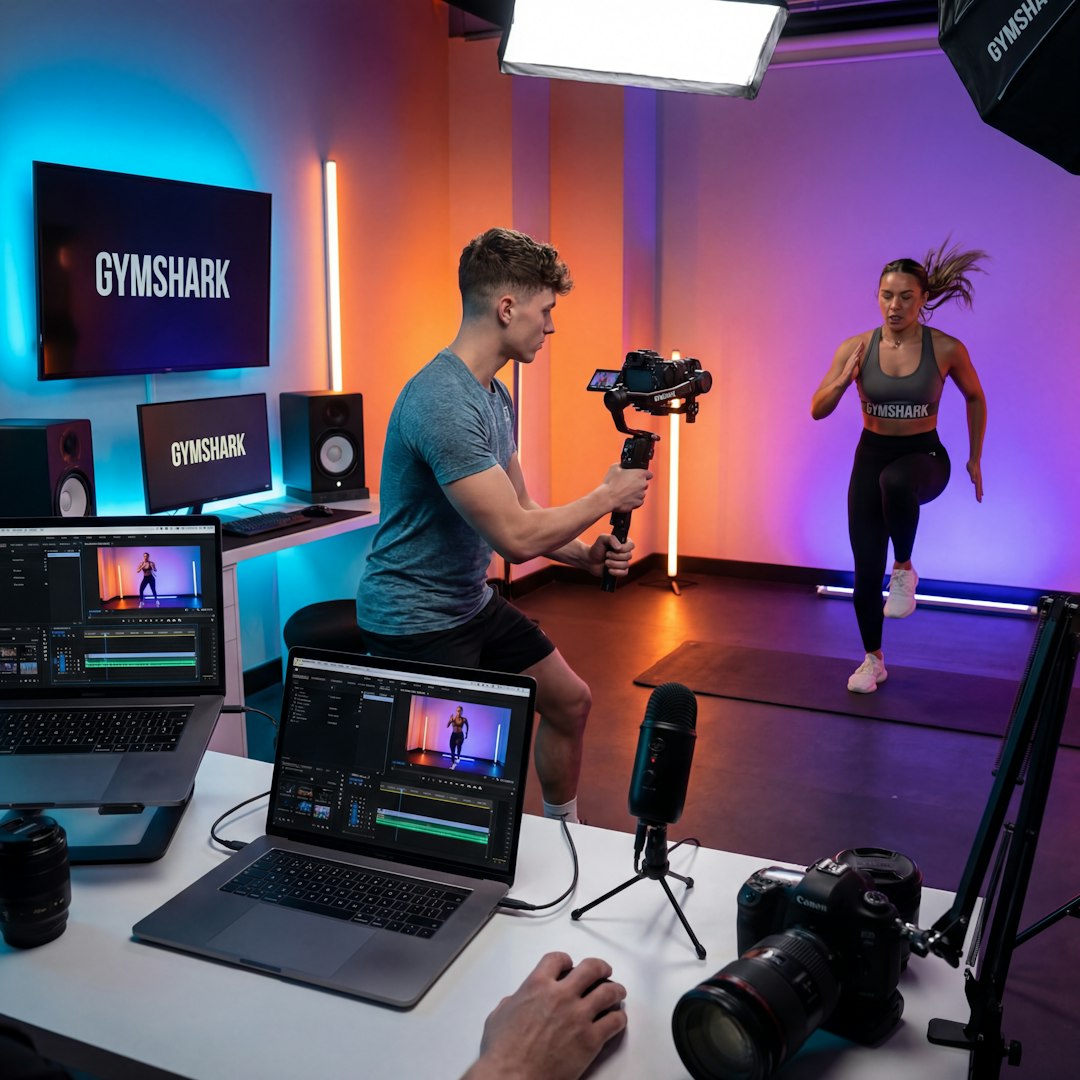
Not long ago, producing a polished video required a camera crew, lighting, actors, editors, voiceover artists, and a budget that could easily stretch beyond the reach of small businesses, classrooms, and individual creators. Today, AI video generators are changing that equation. With a written prompt, a script, a product image, or a few brand assets, users can create videos that look professional, feel personalized, and are ready to publish across multiple platforms.
TLDR: AI video generators are making video production faster, cheaper, and more accessible for marketers, educators, and social media creators. They help teams produce personalized ads, training materials, tutorials, short-form content, and multilingual videos with far less manual work. While the technology brings huge creative opportunities, it also raises important questions about authenticity, copyright, bias, and responsible use.
The Rise of AI Video Creation
AI video generators use machine learning models to create or assemble video content from text, images, audio, templates, or existing footage. Some tools generate talking avatars. Others transform blog posts into social clips, create animated explainers, edit raw footage automatically, or produce realistic scenes from text prompts. What once required technical production skills can now happen through a simple interface.
This shift matters because video has become the dominant language of the internet. People use it to learn, shop, connect, laugh, research products, and follow trends. Businesses know that video can increase engagement, educators know it can improve retention, and creators know it can build communities faster than text alone. The problem has always been the effort required to produce enough video consistently. AI is reducing that friction dramatically.
The transformation is not just about automation. It is about expanding who gets to create. A local bakery can make weekly promotional clips. A teacher can create personalized lesson summaries. A startup can test different video ads without hiring a full production team. A creator can translate content for audiences in multiple countries. AI video generation is turning video from a high-effort asset into an everyday communication tool.
How AI Video Generators Are Changing Marketing
Marketing teams are under constant pressure to produce more content, test more variations, and respond faster to trends. Traditional video production can be too slow for campaigns that need quick iteration. AI video generators help solve this by making video creation more flexible and scalable.
1. Faster Campaign Production
A marketing team can create product explainers, social ads, testimonial-style videos, seasonal promotions, and announcement clips in a fraction of the time it used to take. Instead of starting from scratch with each campaign, teams can use templates, brand kits, AI-generated voiceovers, and automated editing to produce professional videos quickly.
This speed is especially valuable for industries where timing matters. A retailer can produce a flash sale video the same day an offer launches. A software company can create a quick feature update video as soon as a new release goes live. A restaurant can promote a weekend special without waiting for a production schedule.
2. Personalized Video at Scale
Personalization is one of the strongest uses of AI video in marketing. Instead of creating one general video for everyone, brands can generate multiple versions for different audiences. A travel company might create separate videos for families, solo travelers, luxury tourists, and budget-conscious students. Each version can feature different visuals, messaging, voiceovers, and calls to action.
AI makes personalization practical because it can automate repetitive editing tasks. Marketers can adapt a video for different locations, languages, product categories, or customer segments without manually rebuilding every version. This opens the door to campaigns that feel more relevant and more human, even when distributed at scale.
3. Better A/B Testing
In digital marketing, small changes can produce major differences in performance. A different opening line, thumbnail, background music, pacing, or call to action can affect whether someone keeps watching or scrolls away. AI video generators allow marketers to create several variations quickly and test them across platforms.
- Different hooks: Test emotional, humorous, urgent, or educational openings.
- Different formats: Compare square, vertical, and widescreen versions.
- Different audiences: Adjust tone and visuals for different buyer personas.
- Different calls to action: Try “Shop now,” “Learn more,” “Book a demo,” or “Get started.”
This makes video marketing more data-driven. Instead of relying only on creative instinct, brands can generate ideas quickly, test them, and improve campaigns based on actual performance.
4. Lower Barriers for Small Businesses
For small businesses, AI video tools can be a major equalizer. A company with limited resources can now produce video content that looks polished enough to compete with larger brands. While strategy and creativity still matter, the cost of execution is lower than ever.
A small fitness coach can create workout previews. A real estate agent can turn property photos into narrated walk-throughs. A nonprofit can produce donor updates. A handmade goods seller can make product videos for online shops. These businesses may not need cinematic productions; they need clear, engaging, consistent videos. AI helps them get there.
How AI Video Generators Are Transforming Education
Education is another area where AI-generated video is having a powerful impact. Teachers, trainers, institutions, and online learning platforms are using AI to create more engaging and accessible learning experiences.
1. Turning Lessons into Visual Stories
Many students learn better when ideas are presented visually. AI video generators can turn lesson outlines, lecture notes, or textbook summaries into animated explainers, narrated slides, or short recap videos. This is especially useful for complex topics that benefit from diagrams, motion, and step-by-step explanation.
For example, a science teacher could generate a video showing how photosynthesis works. A history instructor could create a timeline animation of major events. A math tutor could produce a visual explanation of algebraic concepts. These videos can support classroom teaching, homework review, or self-paced learning.

2. Personalized Learning Support
AI video generation can also support learners with different needs. A student who struggles with reading dense text may benefit from a short narrated video. A learner who speaks another language may need translated content. A student preparing for exams may want quick summaries of key concepts.
Personalized educational videos can help students review material at their own pace. They can pause, replay, and revisit content whenever needed. In corporate training, employees can receive role-specific videos instead of generic training modules. This makes learning more relevant and easier to absorb.
3. Multilingual and Accessible Content
One of the most promising uses of AI video in education is translation and localization. AI can help create subtitles, dubbing, voiceovers, and localized versions of learning materials. This makes educational content available to broader audiences without requiring a full localization team for every course.
Accessibility is another important benefit. AI can generate captions, summaries, visual descriptions, and audio narration. These features support learners who are deaf or hard of hearing, visually impaired, neurodivergent, or studying in environments where sound is not available.
4. Training and Professional Development
Beyond schools and universities, businesses are using AI video for onboarding, compliance training, customer service instruction, safety demonstrations, and software tutorials. Training teams can update videos quickly when policies change or new products launch. Instead of re-recording entire modules, they can edit scripts, swap visuals, and regenerate the video.
This is especially useful for companies with distributed teams. Employees in different countries can receive consistent training in their own language, with examples tailored to their roles. The result is faster learning, lower production costs, and more consistent communication.
How AI Video Generators Are Reshaping Social Media
Social media moves fast, and video is at the center of it. Platforms reward frequent posting, quick storytelling, and visual impact. AI video generators help creators and brands keep up with this constant demand.
1. Short-Form Content Made Easier
Short-form videos on platforms like TikTok, Instagram Reels, YouTube Shorts, and similar feeds require strong hooks and fast editing. AI can help by generating captions, cutting long videos into highlights, suggesting music, adding transitions, and creating platform-ready formats.
A podcast host can turn a one-hour interview into a dozen short clips. A coach can transform tips into animated micro-lessons. A fashion creator can create trend-based outfit videos using AI-assisted editing. The result is more content from the same original idea.
2. More Creative Experimentation
AI lowers the risk of experimenting. Creators can test different visual styles, formats, characters, voices, backgrounds, and storytelling structures without spending days on production. This encourages playfulness and innovation.
Some of the most interesting social media content comes from unexpected combinations: educational videos with cinematic effects, product demos with animated characters, comedy sketches using AI avatars, or motivational posts turned into dynamic visual stories. AI gives creators a larger creative toolbox.
3. Consistency for Personal Brands
Building a social media presence requires consistency, but consistency is difficult when every post takes hours to create. AI video generators can help creators maintain a regular posting schedule by simplifying repetitive production tasks.
- Create branded intros and outros automatically.
- Generate captions and subtitles in a consistent style.
- Resize videos for multiple platforms.
- Repurpose blog posts, newsletters, or livestreams into short videos.
- Maintain a recognizable visual identity across posts.
This does not replace the creator’s voice. Instead, it supports the workflow around that voice, making it easier to show up regularly without burning out.

The Benefits Driving Adoption
The popularity of AI video generators is not surprising. They solve several major problems at once. They reduce production time, lower costs, support personalization, and make video creation accessible to people without advanced editing skills.
The biggest benefits include:
- Speed: Create videos in minutes or hours instead of days or weeks.
- Scalability: Produce many versions for different channels, audiences, or languages.
- Affordability: Reduce the need for large production teams on routine content.
- Accessibility: Add captions, translations, and voiceovers more easily.
- Creativity: Experiment with styles and formats that would be costly to produce manually.
These advantages are especially powerful when AI is used for high-volume, repeatable content: product updates, training videos, social posts, internal communications, explainer clips, and ad variations.
The Challenges and Ethical Questions
Despite the benefits, AI video generation also comes with challenges. The most obvious concern is authenticity. As AI-generated videos become more realistic, viewers may have trouble knowing what is real, edited, or fully synthetic. This is especially important in news, politics, education, and any situation where trust matters.
There are also copyright and ownership questions. AI systems may be trained on large datasets, and users need to be careful about using protected visuals, voices, music, or likenesses. Businesses should review licensing terms, avoid imitating real people without permission, and create clear policies for AI-generated content.
Bias is another concern. AI models can reflect biases in their training data, which may affect representation, language, accents, beauty standards, or cultural assumptions. Human review remains essential, especially for public-facing content.
The best approach is responsible use. AI should support human creativity, not remove accountability. Organizations should disclose synthetic content when appropriate, fact-check educational and marketing claims, protect personal data, and ensure that generated videos align with brand values and legal requirements.
What the Future Looks Like
The next phase of AI video generation will likely be more interactive, realistic, and integrated into everyday workflows. We can expect tools that generate entire campaigns from a brief, create personalized learning paths with video explanations, and adapt social content automatically based on audience behavior.
Real-time AI video may become more common as well. Imagine customer support avatars that explain troubleshooting steps, sales videos personalized for each prospect, or educational platforms where learners ask questions and receive instant video responses. These experiences could make digital communication feel more personal and immediate.
At the same time, human creativity will become even more important. When everyone can generate videos quickly, the difference will come from strategy, taste, storytelling, trust, and originality. AI can produce the asset, but humans still need to decide what is worth saying and why it matters.
Conclusion
AI video generators are transforming marketing, education, and social media by making video creation faster, more flexible, and more accessible. Marketers can produce personalized campaigns at scale. Educators can turn lessons into engaging visual experiences. Social media creators can publish more consistently and experiment with new formats.
However, the real power of AI video is not simply that it makes production easier. It changes who can participate in visual storytelling. A small business, a solo teacher, a nonprofit team, or an independent creator can now communicate with the polish and speed that once belonged mostly to large organizations.
Used thoughtfully, AI video generation can amplify human ideas. It can help people teach more clearly, market more effectively, and connect more creatively. The future of video will not be purely artificial; it will be a collaboration between human imagination and intelligent tools that make storytelling more accessible than ever.