Hardware companies are under increasing pressure to bring reliable products to market faster, at lower cost, and with fewer operational risks. As devices become more compact, connected, and technically complex, printed circuit board assembly has become a critical stage in the product development and manufacturing process. For many organizations, especially startups, scaleups, and specialized engineering firms, outsourcing PCB assembly is no longer simply a cost-saving tactic. It is becoming a strategic decision that supports quality, flexibility, and long-term competitiveness.
TLDR: Outsourcing PCB assembly allows hardware companies to access specialized manufacturing expertise, advanced equipment, and scalable production capacity without investing heavily in their own facilities. It can improve product quality, reduce time to market, and make supply chain management more predictable. As electronics become more complex, many companies find that working with experienced assembly partners helps them focus on design, innovation, and customer needs rather than day-to-day production challenges.
The Rising Complexity of Modern Hardware
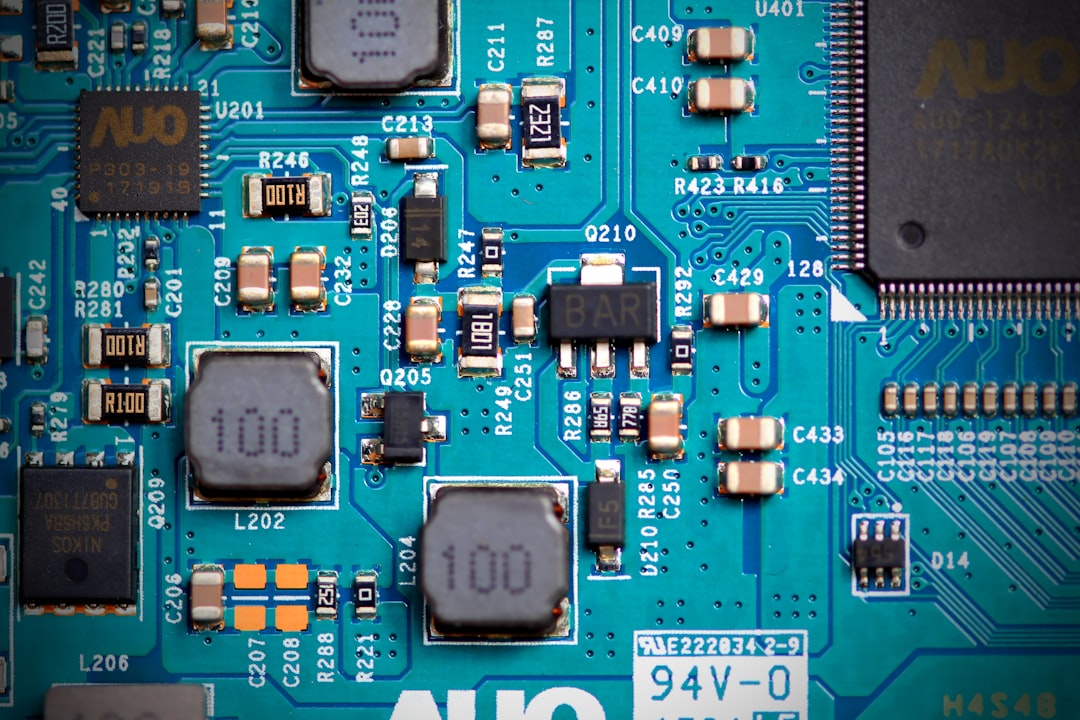
PCB assembly has changed significantly over the past decade. Modern boards often include fine-pitch components, high-density interconnects, mixed-signal circuits, wireless modules, sensors, advanced power management, and strict thermal requirements. Even relatively small products can require sophisticated assembly processes, including surface mount technology, automated optical inspection, X-ray inspection, selective soldering, conformal coating, and functional testing.
For a hardware company, building this capability in-house requires more than purchasing assembly equipment. It requires trained operators, process engineers, quality systems, supplier relationships, maintenance schedules, inspection standards, and compliance documentation. These demands can quickly distract from core product development. Outsourcing gives companies access to established infrastructure and proven processes without the burden of managing every manufacturing detail directly.
In practical terms, outsourcing allows engineering teams to keep their attention where it creates the most value: designing better products, validating performance, and responding to customer feedback.
Access to Specialized Expertise
Reliable PCB assembly depends on deep technical knowledge. Component placement accuracy, solder paste selection, reflow profiles, moisture sensitivity handling, inspection methods, and test coverage can all influence product performance. An assembly defect that appears minor during prototyping can become a serious field failure when multiplied across thousands of units.
Professional PCB assembly providers typically work with a broad range of industries and product types. This exposure gives them experience with common failure modes, design for manufacturability issues, material substitutions, and process optimization. They can often identify potential problems before production begins, such as insufficient pad spacing, unclear polarity markings, poor thermal relief, or component availability concerns.
This engineering feedback can be especially valuable for companies transitioning from prototype to volume production. A board that works in a lab is not necessarily optimized for repeatable manufacturing. By involving an experienced assembly partner early, hardware companies can reduce rework, avoid preventable delays, and improve first-pass yield.
Lower Capital Investment and Operational Burden
Setting up an internal PCB assembly line can require substantial investment. Pick and place machines, stencil printers, reflow ovens, inspection systems, soldering stations, cleaning equipment, test fixtures, environmental controls, and storage systems all carry significant costs. Beyond machinery, companies must also budget for facility space, utilities, calibration, software, maintenance, training, and ongoing process control.
For many hardware businesses, especially those with fluctuating demand, this investment is difficult to justify. Equipment may sit underused between production runs, while fixed overhead continues. Outsourcing converts much of this burden into a variable cost. Companies pay for assembly capacity when they need it rather than financing an entire production environment year-round.
This approach is particularly useful for businesses that sell seasonal products, niche industrial devices, medical accessories, IoT devices, or early-stage consumer electronics. Instead of committing capital to manufacturing infrastructure, they can allocate resources to engineering, certification, marketing, customer support, or inventory planning.
Faster Time to Market
Speed is one of the strongest reasons hardware companies choose outsourcing. Product timelines are often tight, and delays in assembly can affect investor expectations, customer commitments, regulatory submissions, and competitive positioning. Established PCB assembly providers already have production workflows, procurement channels, inspection procedures, and trained staff in place.
When a company attempts to assemble boards internally without mature processes, production delays can arise from equipment setup, operator training, component shortages, soldering defects, or inconsistent testing. Outsourcing reduces many of these risks because the assembly partner is already equipped to move from documentation review to procurement, assembly, inspection, and delivery.
For prototypes, quick turn PCB assembly can help engineering teams validate designs faster. For production, reliable scheduling can support product launches and recurring deliveries. In both cases, outsourcing shortens the distance between design completion and usable hardware.
Improved Quality Control and Consistency
Quality is not only about avoiding visible defects. It is about producing boards that perform consistently over time, under real operating conditions. Professional assembly providers often maintain documented quality management systems, defined inspection checkpoints, traceability procedures, and process controls. Depending on the industry, they may also support standards related to IPC workmanship, ISO quality management, medical device production, aerospace requirements, or automotive electronics.
Common quality controls may include:
- Solder paste inspection to verify correct volume and placement before component mounting.
- Automated optical inspection to detect missing components, polarity errors, tombstoning, and solder defects.
- X-ray inspection for hidden joints, especially on BGAs, QFNs, and other leadless packages.
- In-circuit testing to verify electrical characteristics and detect assembly faults.
- Functional testing to confirm that the completed board performs as intended.
These controls help reduce the chance of defective products reaching customers. They also provide valuable data for continuous improvement. If yield drops or a recurring issue appears, a competent assembly partner can analyze the process and recommend corrective actions.

Better Supply Chain Support
Component sourcing has become one of the most challenging parts of hardware production. Lead times, allocation issues, counterfeit risks, end-of-life notices, and price volatility can disrupt even well-planned product launches. Outsourced PCB assembly providers often maintain relationships with authorized distributors, component brokers, PCB fabricators, and logistics providers. This network can make procurement more efficient and more resilient.
A strong assembly partner can help identify long-lead components early, recommend approved alternatives, and flag parts that may create future supply risks. They may also manage component storage, moisture-sensitive handling, lot traceability, and documentation. For companies without a dedicated procurement team, this support can be extremely valuable.
Supply chain discipline is not just an administrative convenience. It directly affects product reliability and delivery performance. Using verified components from trustworthy sources reduces the likelihood of counterfeit or substandard parts entering the production process. It also helps ensure that future production runs remain consistent with validated designs.
Scalability from Prototype to Production
Hardware companies rarely need the same production volume at every stage. Early development may require only a few prototype boards. Pilot production may require dozens or hundreds of units for testing, certification, and customer trials. Full-scale production may later require thousands or tens of thousands of assemblies. Outsourcing gives companies the flexibility to scale without rebuilding their manufacturing operations at each stage.
This scalability is especially important in uncertain markets. If demand grows quickly, an experienced assembly partner can often allocate additional capacity, add shifts, or support parallel production planning. If demand slows, the hardware company is not left with idle equipment and excessive fixed costs. This flexibility makes outsourcing attractive for both emerging companies and established firms launching new product lines.
Many assembly partners also support related services such as box build assembly, cable harness integration, programming, labeling, packaging, and final test. This can reduce the number of vendors a company must coordinate and create a more streamlined path from bare board to finished product.
Design for Manufacturability Advantages
One of the most valuable but sometimes overlooked benefits of outsourcing is design for manufacturability support. A PCB design may meet electrical requirements but still be difficult or expensive to assemble. Small layout changes can significantly improve yield, simplify inspection, reduce solder defects, or lower assembly cost.
Examples of manufacturability improvements include:
- Adjusting component spacing to improve placement accuracy and rework access.
- Improving fiducial placement for automated assembly alignment.
- Standardizing passive component sizes to reduce setup complexity.
- Revising panelization to improve throughput and reduce board handling damage.
- Clarifying silkscreen markings to prevent polarity or orientation mistakes.
When assembly partners review design files, bills of materials, and fabrication data before production, they can often catch issues that would otherwise cause delays or defects. This collaborative approach improves the relationship between design intent and manufacturing reality.

Focus on Core Business Priorities
Hardware companies succeed by solving customer problems, developing differentiated technology, and delivering dependable products. Manufacturing is essential, but it may not be the company’s strongest area of expertise. Managing PCB assembly internally can consume leadership attention and engineering time, especially when production issues arise.
Outsourcing allows teams to focus on strategic priorities such as product architecture, firmware development, user experience, certifications, partnerships, and market expansion. This does not mean losing control. A good outsourcing relationship should include clear documentation, agreed quality standards, regular communication, and measurable performance expectations.
The best results usually come when companies treat their assembly provider as a manufacturing partner rather than a simple vendor. Transparent communication about forecasts, design changes, quality expectations, and delivery priorities helps both sides operate more effectively.
Risk Reduction and Compliance Support
Regulated industries face additional manufacturing requirements. Medical, aerospace, defense, automotive, industrial, and energy products may require documented processes, traceability, environmental controls, special testing, and strict change management. Meeting these requirements internally can be demanding and expensive.
Outsourced PCB assembly providers with relevant industry experience can help companies navigate these obligations. They may support documentation packages, production records, inspection reports, material declarations, and traceability data. While the hardware company remains responsible for its product, working with a qualified manufacturing partner can make compliance more manageable.
Risk reduction also applies to continuity planning. If a company relies entirely on internal assembly and a machine fails, an operator leaves, or a key process becomes unstable, production may stop. Outsourcing to a provider with redundant equipment, trained teams, and established procedures can reduce exposure to these operational disruptions.
Cost Efficiency Beyond Unit Price
When evaluating outsourcing, it is important to look beyond the quoted unit price. The true cost of PCB assembly includes defects, rework, scrap, delayed launches, engineering time, inventory problems, equipment depreciation, and quality escapes. A low-cost internal process can become expensive if it produces inconsistent results or slows down product development.
Outsourcing can improve total cost efficiency by increasing yield, reducing labor requirements, shortening production cycles, and minimizing capital expenditure. It can also provide more predictable budgeting. Companies can compare assembly quotes, forecast production expenses, and make decisions based on actual demand rather than fixed manufacturing overhead.
This does not mean outsourcing is automatically less expensive in every case. Very high-volume products with stable designs may justify dedicated production lines. However, for many hardware companies, especially those dealing with complex boards, variable demand, or limited manufacturing resources, outsourcing offers a more balanced and financially disciplined model.
Choosing the Right PCB Assembly Partner
The advantages of outsourcing depend heavily on partner selection. Hardware companies should evaluate more than price. Important criteria include technical capability, quality systems, communication responsiveness, supply chain strength, testing options, production capacity, industry experience, and willingness to review designs before assembly.
Before committing to a provider, companies should ask practical questions:
- Can the provider handle the required component packages and board complexity?
- What inspection and testing methods are available?
- How are component substitutions managed and approved?
- What quality certifications or workmanship standards are followed?
- How are production issues communicated and documented?
- Can the provider support both prototype and volume production?
A careful selection process reduces the risk of misunderstandings and helps establish a productive long-term relationship. Clear documentation is equally important. Accurate Gerber files, assembly drawings, bills of materials, pick and place files, test procedures, and revision controls make outsourced assembly more reliable.
A Strategic Shift in Hardware Manufacturing
The growing preference for outsourced PCB assembly reflects a broader shift in the hardware industry. Companies are recognizing that manufacturing excellence requires specialization, investment, and process discipline. Rather than attempting to own every part of the production chain, many are building networks of trusted partners that allow them to operate with greater speed and flexibility.
This approach is not about giving up responsibility for quality. It is about placing critical manufacturing tasks in the hands of organizations that perform them every day, while maintaining strong oversight and clear standards. When managed properly, outsourcing can strengthen a company’s ability to deliver reliable products at scale.
For hardware companies facing tighter timelines, complex designs, uncertain supply chains, and rising customer expectations, outsourcing PCB assembly offers a practical and increasingly preferred path forward. It combines technical expertise, scalable capacity, quality control, and financial flexibility in a way that is difficult for many companies to replicate internally. As electronics continue to advance, the role of experienced PCB assembly partners will only become more important in turning innovative designs into dependable, market-ready products.