
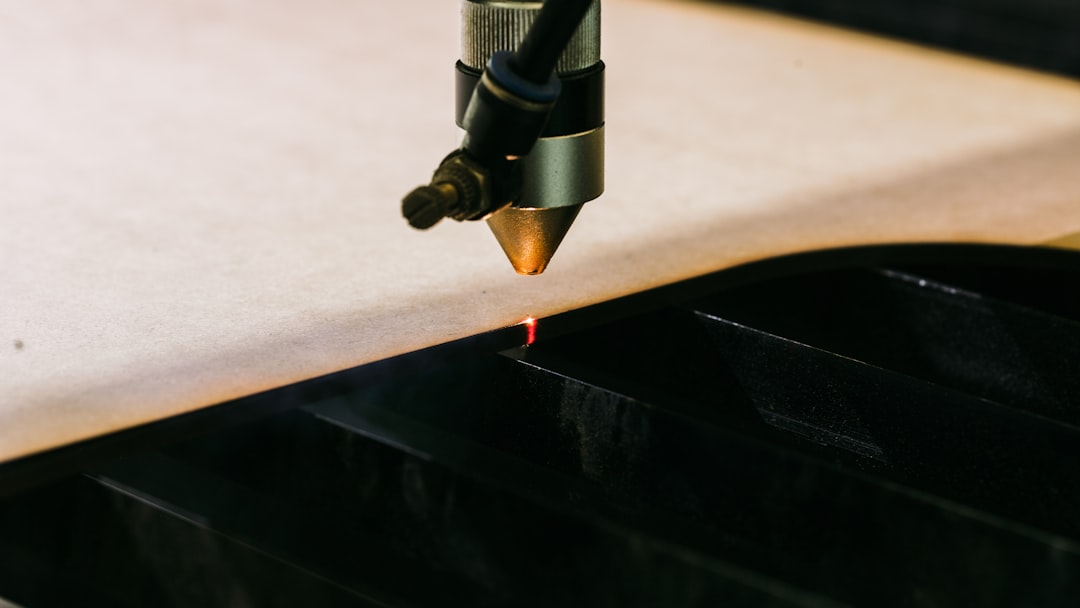
Buying a laser cutter in 2026 can feel a little like buying a car: the headline price tells only part of the story. The right machine depends on what you want to cut, how often you will use it, how much space you have, and whether you are making hobby projects, prototypes, signage, packaging, jewelry, or full-scale production parts.
TLDR: In 2026, a small desktop diode laser cutter may cost $300 to $1,500, while a capable desktop CO₂ laser usually falls between $2,000 and $8,000. Professional CO₂ systems commonly range from $8,000 to $30,000+, and industrial fiber or large-format machines can climb from $20,000 to well over $150,000. The machine itself is only one part of the budget: ventilation, cooling, materials, maintenance, software, safety equipment, and training can add significantly to the total cost.
Why Laser Cutter Prices Vary So Much
The phrase laser cutter covers a wide range of machines. A compact diode engraver for wood crafts and a metal-cutting fiber laser for manufacturing are both “laser cutters,” but they are built for completely different jobs. That is why prices can range from a few hundred dollars to the cost of a small house.
The biggest factors affecting price include laser type, wattage, work area size, cutting speed, software compatibility, automation features, brand reputation, and support quality. A cheaper machine may be fine for occasional engraving, but a business that needs daily production will usually save money in the long run by buying a more reliable model.
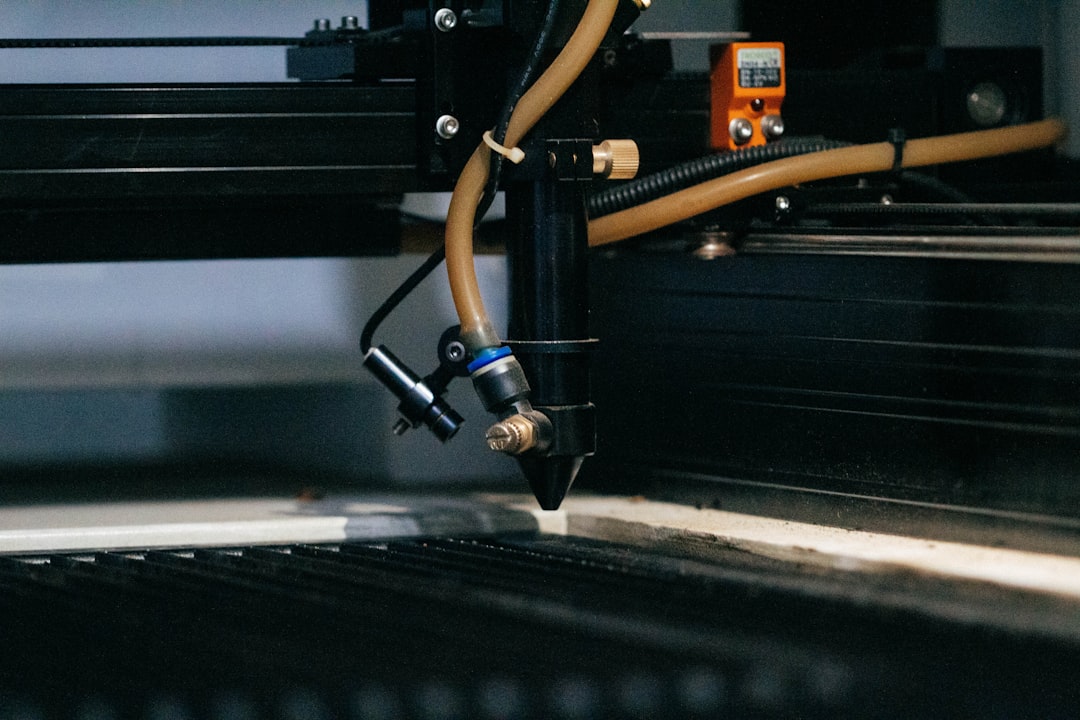
Typical Laser Cutter Price Ranges in 2026
Here is a practical breakdown of what you can expect to pay in 2026:
- Entry-level diode laser cutters: $300 to $1,500
- Higher-powered diode systems: $1,500 to $3,500
- Desktop CO₂ laser cutters: $2,000 to $8,000
- Professional CO₂ laser cutters: $8,000 to $30,000+
- Metal fiber laser cutters: $20,000 to $150,000+
- Industrial production laser systems: $100,000 to $500,000+
These ranges are broad because specifications matter enormously. A 40-watt CO₂ desktop laser with a small bed may cost a few thousand dollars, while a 150-watt CO₂ laser with a pass-through bed, autofocus, advanced cooling, and professional support can cost many times more.
Diode Laser Cutters: The Budget-Friendly Option
Diode lasers are often the most affordable entry point. They are popular with hobbyists, crafters, schools, and small sellers who work with thin wood, cardboard, leather, paper, and some coated materials. In 2026, many decent diode laser cutters cost between $500 and $2,000.
The advantages are clear: diode machines are compact, relatively inexpensive, and usually easy to set up. Many can sit on a desk or workbench, and some are sold as open-frame kits. They are excellent for engraving wood signs, personalizing gifts, cutting paper models, or making small craft products.
However, they have limits. Most diode lasers are slower than CO₂ machines and generally struggle with clear acrylic. They also tend to require multiple passes for thicker materials. If you plan to cut a lot of acrylic, make production batches, or work at higher speeds, a diode machine may become frustrating.
CO₂ Laser Cutters: The Sweet Spot for Many Buyers
For many small businesses and serious makers, a CO₂ laser cutter is the most balanced choice. CO₂ lasers are good at cutting and engraving wood, acrylic, leather, rubber, paper, fabric, and many plastics. They are widely used for signage, model making, packaging prototypes, awards, ornaments, and custom products.
In 2026, a desktop CO₂ laser typically costs $2,000 to $8,000. More professional systems run from $8,000 to $30,000 or more. The difference is usually found in build quality, bed size, cooling system, laser tube quality, motion components, safety certification, software, and customer support.
A low-cost CO₂ machine can be attractive, but it may require more tinkering. Budget models sometimes need mirror alignment, wiring checks, exhaust upgrades, or software adjustments. A professional machine costs more upfront but often includes better documentation, safer enclosures, cleaner optics, stronger frames, and faster technical help.
Image not found in postmetaFiber Laser Cutters: Built for Metal
If your goal is to cut metal, you will usually be looking at a fiber laser, not a diode or standard CO₂ laser. Fiber lasers are used for stainless steel, carbon steel, aluminum, brass, copper, and other metals. They are common in fabrication shops, manufacturing facilities, automotive suppliers, and industrial prototyping environments.
Fiber laser prices in 2026 commonly start around $20,000 to $40,000 for smaller imported or entry-level metal-cutting systems. Larger, more powerful, fully enclosed, automated systems can cost $100,000 to $500,000+. Power level is a major driver: a 1 kW fiber laser and a 12 kW fiber laser are in very different categories.
Buyers also need to account for assist gases, chillers, fume extraction, loading tables, service contracts, electrical requirements, and operator training. For metal cutting, the surrounding infrastructure can be just as important as the machine.
Hidden Costs You Should Not Ignore
The purchase price is only the beginning. A laser cutter needs a safe, functional setup. Before buying, build a complete budget that includes the following:
- Ventilation or fume extraction: $200 to $5,000+, depending on whether you use a simple exhaust fan or a professional filtration unit.
- Cooling system: $150 to $1,500+ for CO₂ lasers that need water cooling, especially higher-powered machines.
- Air assist: $50 to $500+ to improve cut quality and reduce scorching or flare-ups.
- Software: Free to several hundred dollars, depending on the machine and workflow.
- Materials: Wood, acrylic, leather, paper, and metal can add up quickly during testing and production.
- Replacement parts: Lenses, mirrors, belts, laser tubes, nozzles, filters, and honeycomb beds wear over time.
- Safety gear: Laser safety glasses, fire extinguishers, enclosure upgrades, and smoke detectors are essential.
- Shipping and taxes: Large machines may require freight delivery, liftgate service, customs fees, or installation help.
For a home or small studio CO₂ laser, it is wise to set aside an extra $500 to $2,500 beyond the machine price. For professional or industrial systems, additional setup costs can easily reach thousands or tens of thousands of dollars.
How Much Power Do You Need?
Laser power is usually measured in watts. More watts can mean faster cutting, deeper cutting, or the ability to handle thicker materials, but higher power is not always better for fine engraving. A 10-watt diode laser may be enough for engraving and thin craft materials. A 40-watt to 60-watt CO₂ laser is a common entry point for acrylic and wood cutting. A 100-watt to 150-watt CO₂ laser is more suitable for production, thicker materials, and faster throughput.
For fiber lasers, power requirements depend on material type and thickness. Thin sheet metal may be handled by lower-power systems, while thick steel plate requires far more power and a much larger investment. Always match the laser to your real workload, not just the most impressive specification on a sales page.
Desktop vs Professional Machines
A desktop laser cutter is appealing because it is smaller, cheaper, and easier to fit into a home studio. It is ideal for learning, experimenting, and producing small items. But desktop machines have limited bed sizes and may not be designed for all-day operation.
Professional machines usually offer larger work areas, stronger motion systems, better ventilation options, safer enclosures, higher speeds, and more consistent results. They are the better choice when downtime costs money. If you are selling products every day, the reliability of the machine can matter more than saving a little upfront.

Example Budgets for Different Buyers
Hobby crafter: A beginner who wants to engrave wood ornaments, personalize gifts, and cut paper crafts might spend $600 to $1,500 on a diode laser, plus another $200 to $600 on ventilation, safety gear, and materials.
Side business owner: Someone selling acrylic signs, wood décor, wedding products, or branded merchandise may choose a desktop CO₂ laser in the $3,000 to $7,000 range. With accessories, materials, and workspace improvements, the complete starting budget may be closer to $5,000 to $10,000.
Growing production shop: A business needing reliable daily output might invest $10,000 to $30,000 in a professional CO₂ laser. The total setup, including extraction, cooling, maintenance supplies, and training, may land between $15,000 and $40,000.
Metal fabrication company: A shop cutting sheet metal may need a fiber laser system costing $50,000 to $250,000+. Installation, gas supply, electrical upgrades, service plans, and material handling equipment can significantly increase the final investment.
New vs Used Laser Cutters
Buying used can save money, but it comes with risk. A used laser cutter may have worn optics, an aging laser tube, outdated software, or hidden alignment problems. Before buying, ask for a live demonstration, inspect the cut quality, check the total usage hours, and confirm that replacement parts are available.
A used CO₂ laser can be a good deal if it comes from a reputable seller and has been maintained properly. However, if you are new to laser cutting, a used machine with no support may cost more in frustration than it saves in cash. For business use, downtime and troubleshooting should be treated as real expenses.
What About Maintenance Costs?
Maintenance depends on machine type and usage. Diode lasers usually have lower maintenance needs, though lenses and modules may eventually need replacement. CO₂ lasers require mirror cleaning, lens cleaning, alignment checks, water cooling maintenance, and eventual laser tube replacement. Fiber lasers generally have long-lasting sources, but industrial service and replacement components can be expensive.
As a rough annual estimate, hobby users may spend $100 to $500 on maintenance and consumables. Small businesses might spend $500 to $2,000+. Industrial users should budget according to service contracts, production hours, and the cost of downtime.
Is a Laser Cutter Worth the Money?
A laser cutter can be an excellent investment if it solves a real problem or creates products people want to buy. It can turn digital designs into physical objects quickly, repeatably, and with impressive detail. For businesses, the key question is not simply “How much does it cost?” but “How quickly can it pay for itself?”
Estimate your potential return by calculating material costs, labor time, selling price, monthly production volume, and maintenance. A $6,000 machine that helps produce $2,000 in monthly profit can be a strong investment. A $600 machine that sits unused after a few weekends is expensive in a different way.
Final Cost Guide for 2026
So, how much is a laser cutter in 2026? For casual use, expect to spend under $2,000. For a serious small business, plan on $5,000 to $15,000 for a capable setup. For professional production, budgets often start around $15,000 and rise quickly. For metal cutting, expect a much larger investment, often beginning around $20,000 and extending far beyond six figures.
The best laser cutter is not always the cheapest or the most powerful. It is the one that fits your materials, workspace, production goals, safety requirements, and budget. If you plan carefully, factor in the hidden costs, and buy for your real needs, a laser cutter can become one of the most versatile and rewarding tools in your workshop.