
Government contracting can feel like a maze. There are forms to fill out. Rules to follow. Deadlines to meet. And mountains of data to review. Now imagine having a smart assistant that never sleeps, never gets tired, and can read thousands of pages in minutes. That assistant is Artificial Intelligence (AI). And it is changing how government contracting works.
TLDR: AI helps government agencies and contractors work faster and smarter. It automates paperwork, checks compliance, reduces errors, and spots risks early. This saves time, cuts costs, and improves transparency. In short, AI makes government contracting more efficient and easier to manage.
Let’s break it down in a simple and fun way.
What Is AI in Government Contracting?
AI is software that can learn, analyze data, and make decisions. It studies patterns. It reviews documents. It predicts outcomes. In government contracting, AI acts like a digital project manager, auditor, and analyst all rolled into one.
It can:
- Read contracts in seconds
- Check compliance requirements
- Flag unusual spending
- Analyze vendor performance
- Predict project delays
Pretty impressive, right?
Why Government Contracting Is So Complicated
Government contracts are not simple agreements. They come with strict rules. There are federal regulations. State laws. Industry standards. Security requirements. Reporting duties.
Every contract must follow policies like:
- Federal Acquisition Regulation (FAR)
- Ethics and transparency laws
- Labor and wage rules
- Cybersecurity standards
One small mistake can lead to delays. Or audits. Or penalties.
Now imagine reviewing thousands of contracts manually. That takes weeks. Or months. Humans get tired. Humans miss things.
AI does not.
How AI Improves Efficiency
Efficiency means doing more work in less time. AI is excellent at this.
1. Faster Document Review
Contracts are long. Some are hundreds of pages. AI can scan contracts in seconds. It extracts key clauses. It identifies missing information. It summarizes terms.
Instead of spending days reviewing paperwork, teams can focus on strategy and decision-making.
2. Automated Data Entry
Manual data entry is slow and boring. It also leads to errors.
AI tools capture information from:
- Invoices
- Proposals
- Purchase orders
- Compliance reports
The system fills in databases automatically. That means fewer typos. Less rework. More accuracy.
3. Smart Vendor Matching
Choosing the right vendor is critical. AI analyzes vendor history, performance scores, pricing patterns, and risk factors. It recommends the best match for a contract.
This speeds up procurement. It also improves results.
4. Predicting Delays Before They Happen
AI studies past projects. It sees patterns. If certain delays happened before, AI can warn managers early.
For example:
- A vendor often delivers late.
- A project type usually runs over budget.
- Specific materials have supply chain issues.
With this insight, teams can act early. Problems shrink before they grow.
How AI Strengthens Compliance
Compliance is a big deal in government contracting. Agencies must prove they follow the rules. Contractors must show they meet standards.
AI acts like a compliance watchdog.
1. Real-Time Rule Checking
AI systems are trained on regulatory frameworks. They compare contract language against legal requirements.
If something is missing, the system alerts the team instantly.
No more waiting for manual audits.
2. Continuous Monitoring
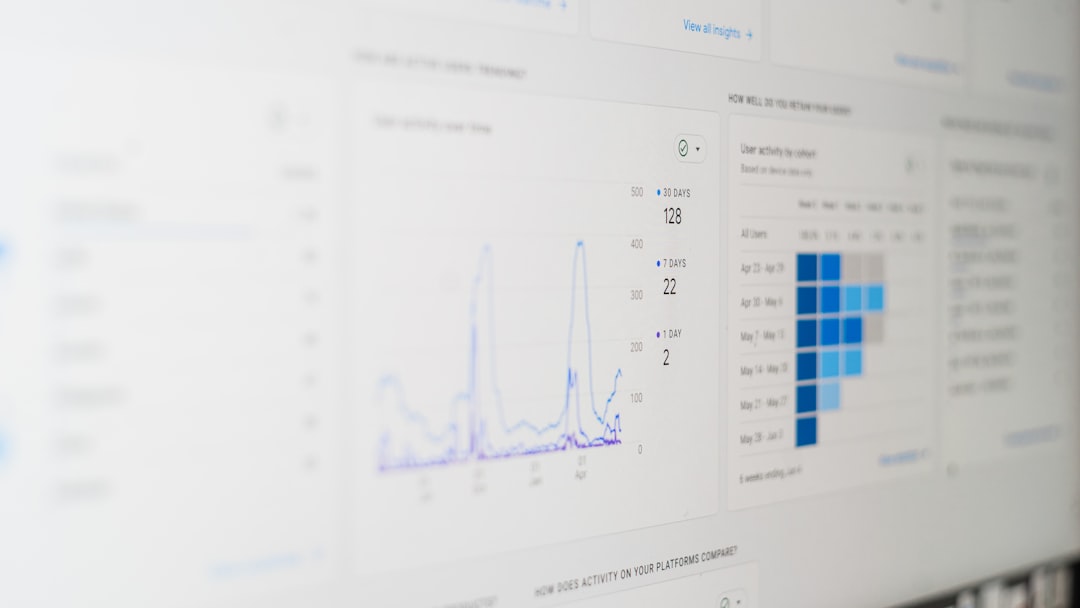
Traditional audits happen once or twice a year. AI monitors continuously. Every day. Every hour.
It tracks:
- Spending patterns
- Labor hours
- Subcontractor compliance
- Security controls
If something looks unusual, it raises a red flag.
3. Audit Trail Creation
Government agencies need proof. AI keeps detailed digital records of every transaction, approval, and change.
This creates a clean audit trail. When auditors arrive, everything is organized and searchable.
Less stress. Faster reviews.
Reducing Fraud and Risk
Fraud is a serious concern. Overbilling. Duplicate invoices. Fake vendors. These problems cost billions.
AI detects patterns that humans miss.
For example:
- Two invoices with similar numbers submitted within minutes
- Unusual pricing spikes
- Vendors with suspicious payment histories
AI uses anomaly detection. It knows what “normal” looks like. When something falls outside that range, it investigates.
This protects taxpayer money.
Helping Small Businesses Compete
Government contracting can feel overwhelming for small businesses. The paperwork alone can scare companies away.
AI tools simplify the process.
They help small contractors:
- Identify relevant opportunities
- Auto-fill proposal templates
- Check compliance before submission
- Estimate competitive pricing
This levels the playing field. More competition means better pricing and innovation for the government.
Improving Communication and Transparency
Transparency builds trust. AI improves visibility for everyone involved.
Dashboards show real-time project updates. Stakeholders can see:
- Budget usage
- Milestone completion
- Compliance status
- Risk levels
No more guessing. No more digging through email chains.

This also improves communication between agencies and contractors. Everyone sees the same data.
Saving Time and Taxpayer Money
Time is money. Especially in government projects.
AI reduces administrative work. That means fewer hours spent on repetitive tasks. Employees can focus on critical thinking and strategy instead.
The result?
- Lower administrative costs
- Faster contract approvals
- Reduced litigation risks
- Better project outcomes
Taxpayers benefit when projects run efficiently and stay within budget.
Addressing Common Concerns
Some people worry about AI replacing jobs. But in government contracting, AI usually supports workers rather than replacing them.
It handles repetitive tasks. Humans handle judgment and oversight.
There are also concerns about:
- Data privacy
- Cybersecurity
- Algorithm bias
These risks are real. But they can be managed with strong policies, transparent models, and regular reviews.
In fact, AI systems can enhance cybersecurity by detecting threats faster than humans.
The Future of AI in Government Contracting
The future looks exciting.
We can expect:
- Smarter contract drafting tools
- Voice-assisted compliance checks
- Advanced risk simulations
- Fully automated reporting systems
Think of a world where a contracting officer asks, “Is this project compliant?” and gets an instant answer.
Or a system that runs thousands of “what-if” budget scenarios in seconds.
That future is not far away.
Getting Started with AI
Agencies and contractors do not have to jump in all at once.
Start small.
- Automate document review first.
- Implement compliance monitoring tools.
- Add predictive analytics later.
Train teams. Build trust in the system. Measure results.
Adoption works best when people understand how AI helps them.
Final Thoughts
Government contracting will always involve rules and structure. That will not change. But the way we manage contracts is evolving.
AI brings speed. Accuracy. Insight.
It reduces paperwork chaos. It strengthens compliance. It protects taxpayer dollars.
Most importantly, it frees people to focus on what truly matters: delivering impactful projects that serve the public.
In simple terms, AI is not just a fancy tech tool. It is becoming a trusted partner in government contracting.
And that makes the entire system smarter, safer, and more efficient for everyone.