
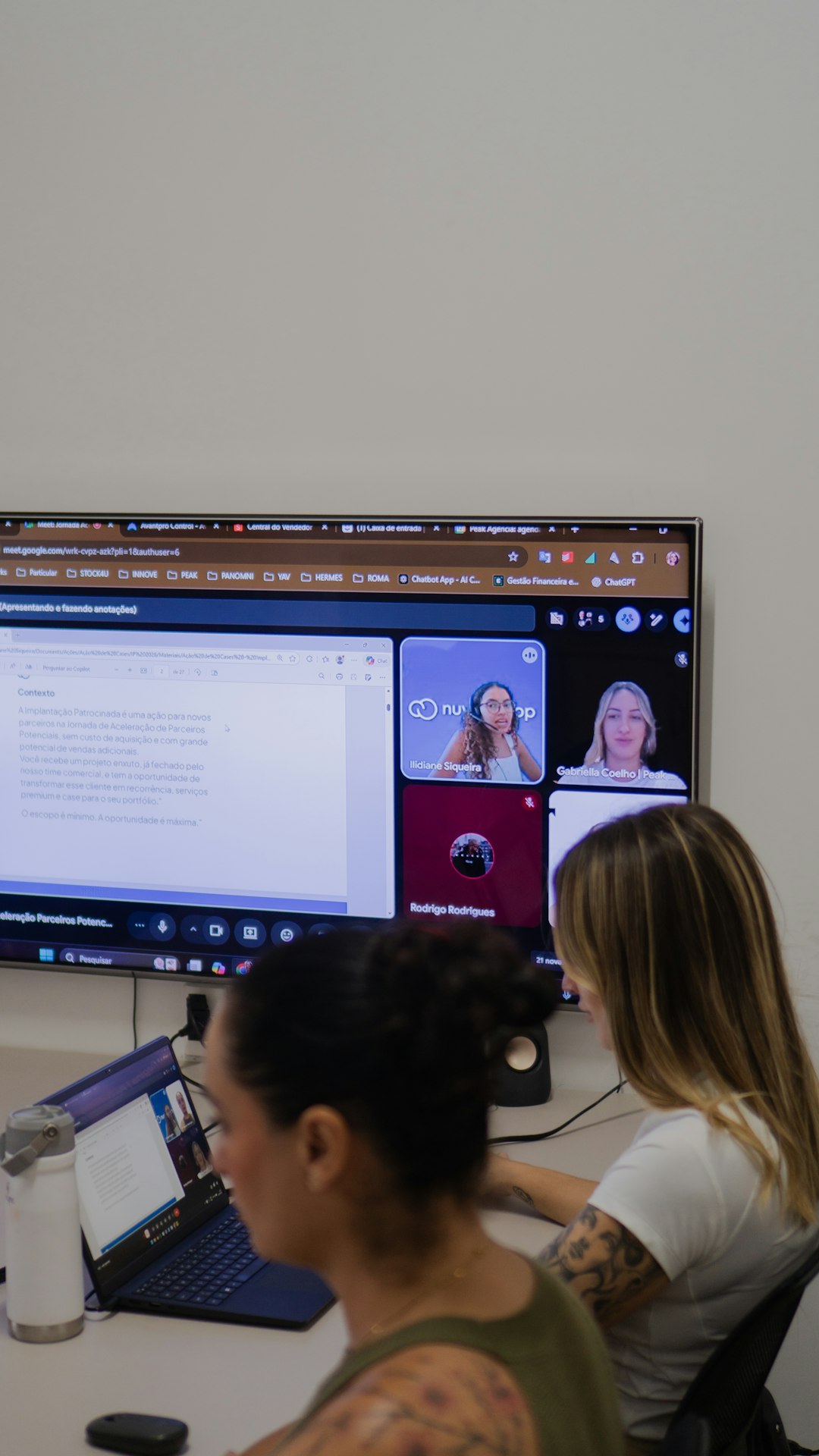
Online conferences used to feel flat. People logged in. They muted themselves. They checked email. Then they logged out. But today, virtual event platforms like Hopin are changing that story. They turn boring video calls into lively digital experiences. You can host big conferences, small meetups, trade shows, and workshops. And you can make them fun.
TLDR: Virtual event platforms like Hopin help you host interactive and engaging online conferences. They offer features like live stages, networking rooms, expos, and analytics tools. These tools make it easy to connect people and keep them involved. With the right setup, your online event can feel just as exciting as an in-person one.
Why Virtual Events Matter More Than Ever
The world works online now. Teams are remote. Audiences are global. Travel is expensive. Time is limited. Virtual events solve these problems.
They let you:
- Reach a global audience
- Save money on venues and travel
- Record content for later use
- Measure attendee behavior
And the best part? Anyone with a laptop can join.
But simple video tools are not enough. You need structure. You need networking. You need energy. That’s where platforms like Hopin shine.
What Is a Virtual Event Platform?
A virtual event platform is more than a video meeting tool. It is like a digital conference center. Everything happens in one space. Attendees can move from session to session. They can visit booths. They can chat with others. It feels organized.
Think of it as an online venue with:
- Main stages
- Breakout rooms
- Networking areas
- Expo halls
- Private meeting spaces
This structure keeps people engaged. It also makes your event look professional.
Key Features That Make Events Engaging
Let’s break down the features that make platforms like Hopin so powerful.
1. Main Stage for Big Moments
The main stage is where your keynote speakers shine. It works like a live broadcast. Attendees can watch, chat, and react in real time.
This works well for:
- Opening ceremonies
- Guest speakers
- Panel discussions
- Product launches
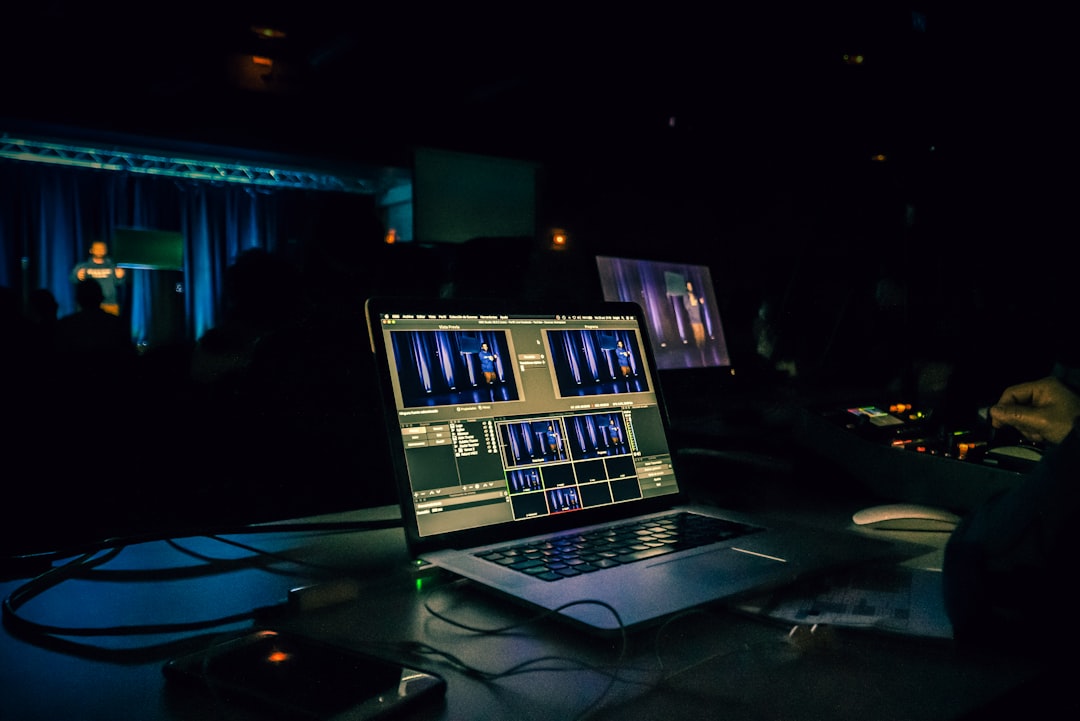
You can also stream pre-recorded videos. This reduces risk. No awkward tech glitches.
2. Breakout Sessions for Deeper Talks
Not everyone wants to sit in a huge session. Smaller breakout rooms feel personal. They allow open discussion. Speakers can answer questions directly.
This creates:
- Stronger learning
- Better conversations
- More interaction
People remember events where they participate.
3. Networking That Feels Human
Networking is often the main reason people attend conferences. Good platforms understand this.
They offer:
- Random one-on-one matching
- Chat features
- Group discussion rooms
- Profile browsing
This simulates hallway conversations. It feels spontaneous. It feels fun.
Some platforms even offer timed networking. You meet someone for three minutes. Then you rotate. Like speed dating for professionals.

4. Virtual Expo Booths
Sponsors matter. Exhibitors matter. They help fund your event.
Virtual booths give them space to:
- Show product demos
- Share downloads
- Chat live with visitors
- Collect leads
Attendees can “walk” through the expo area. They click on booths. They start conversations. It feels interactive.
5. Built-In Analytics
One of the biggest advantages of virtual events is data.
You can track:
- Session attendance
- Average watch time
- Booth visits
- Engagement rates
- Poll responses
This helps you improve future events. It also helps sponsors measure ROI.
How to Plan a Great Virtual Conference
Technology matters. But strategy matters more.
Follow these simple steps.
Step 1: Define a Clear Goal
What is your purpose?
- Education?
- Lead generation?
- Community building?
- Product promotion?
Your goal shapes everything. Agenda. Speakers. Marketing. Platform choice.
Step 2: Keep Sessions Short
Attention spans online are shorter. Aim for 20 to 30 minutes per session. Add breaks. Add movement.
Variety keeps energy high.
Step 3: Make It Interactive
Do not just talk at people. Talk with them.
Use:
- Live polls
- Q&A sessions
- Chat prompts
- Gamification
Ask questions often. Encourage emoji reactions. Create contests.
Step 4: Train Your Speakers
Speaking on camera is different. Speakers should:
- Use good lighting
- Have clear audio
- Look at the camera
- Keep slides simple
A technical rehearsal is a must. Always test before going live.
Step 5: Promote Early and Often
Your event needs marketing.
Use:
- Email campaigns
- Social media posts
- Speaker shoutouts
- Partner promotions
Create excitement. Tease big announcements. Highlight keynote speakers.
Creative Ideas to Boost Engagement
Want your event to stand out? Try these ideas.
Gamification
People love games. Offer points for:
- Attending sessions
- Visiting booths
- Joining networking
- Asking questions
Reward top participants with prizes. Small incentives work wonders.
Virtual Swag Bags
You can’t hand out tote bags. But you can offer digital goodies.
Add:
- Ebooks
- Discount codes
- Templates
- Exclusive videos
Live Entertainment
Break the pattern. Add surprise elements.
- A live DJ between sessions
- A short comedy act
- A wellness break
- A group stretch session
These moments make people smile.
Common Challenges (And How to Solve Them)
1. Low Engagement
If people are quiet, prompt them. Ask direct questions. Use polls. Call out attendees by name.
2. Technical Issues
Always have a backup plan. Record sessions. Have tech support ready. Keep presentations stored in the platform.
3. “Zoom Fatigue”
Schedule breaks. Keep sessions dynamic. Encourage attendees to stand up and stretch.
Benefits for Event Organizers
Virtual platforms offer big advantages behind the scenes.
- Automation: Registration, reminders, and follow-ups are streamlined.
- Scalability: Host 100 or 100,000 attendees.
- Customization: Brand the event with your logo and colors.
- On-demand access: Extend the life of your content.
You also save on:
- Venue rental
- Catering
- Travel expenses
- Printed materials
This makes virtual events cost-effective and measurable.
Hybrid Events: The Best of Both Worlds
Many organizers now combine in-person and virtual elements. This is called a hybrid event.
It allows:
- Local attendees to meet physically
- Global attendees to join online
- Speakers to present remotely
Platforms like Hopin support hybrid formats. They connect cameras in a live venue with online viewers. Everyone feels included.
The Future of Online Conferences
Virtual events are not a temporary solution. They are a permanent part of the event world.
Expect to see more:
- AI-powered matchmaking
- Smarter networking tools
- Interactive 3D environments
- Advanced personalization
Technology will keep improving. But the goal remains the same. Bring people together.
Final Thoughts
Hosting an engaging online conference is easier than ever. Virtual event platforms like Hopin give you the tools. You get stages. Networking rooms. Expo spaces. Analytics. All in one place.
The magic happens when you mix great technology with thoughtful planning. Keep sessions short. Make them interactive. Add fun surprises. Encourage conversation.
People may not be in the same physical room. But they can still connect. They can still learn. They can still be inspired.
With the right platform and the right strategy, your virtual event can feel alive. And that is what truly matters.