
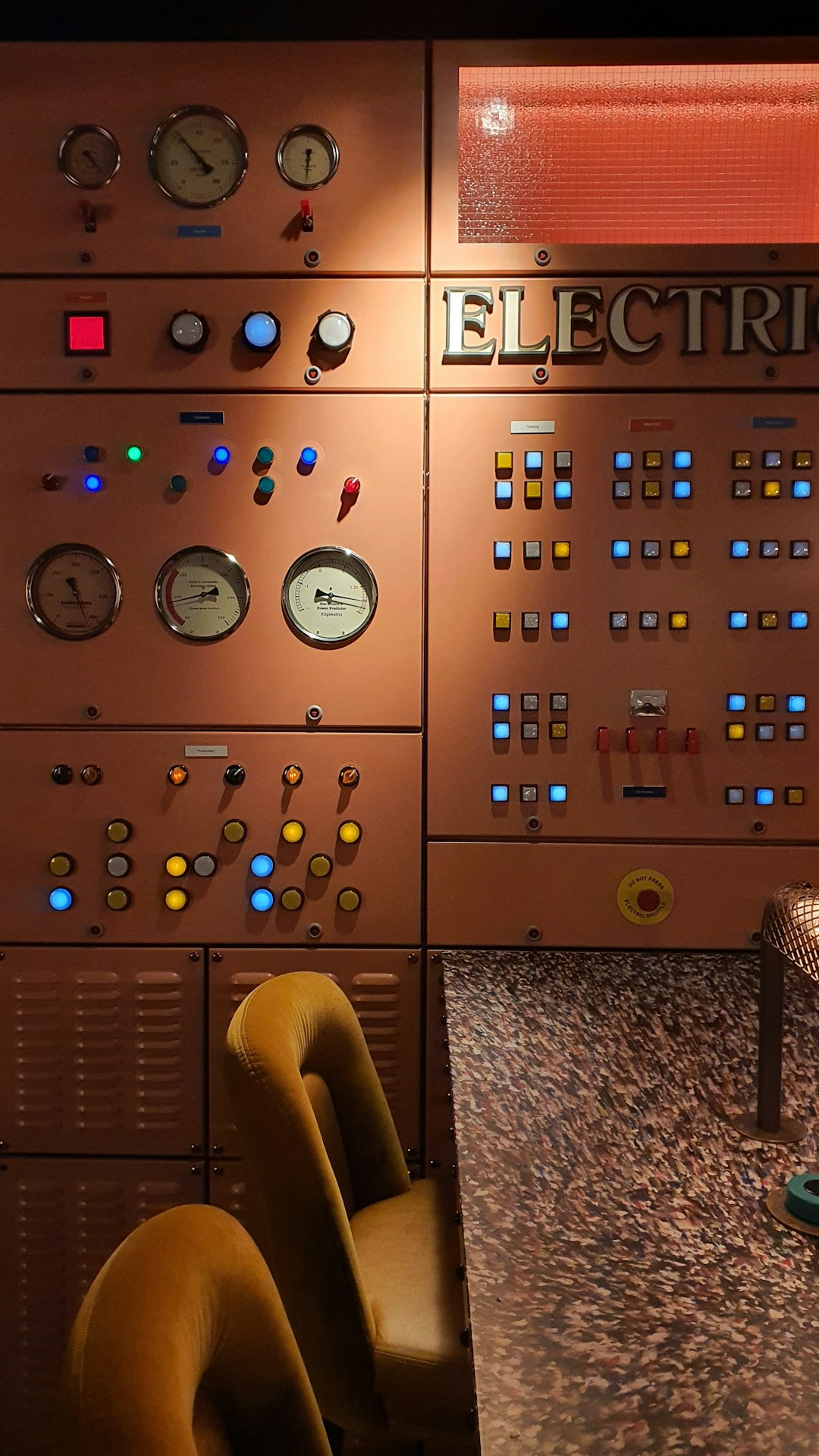
Escape rooms have evolved from simple lock-and-key puzzles into sophisticated, immersive environments that blend advanced technology, creative storytelling, and rigorous safety systems. What began as a niche entertainment concept is now a global industry serving families, corporate teams, students, and enthusiasts seeking interactive challenges. Behind the scenes, operators carefully balance innovation with responsibility, ensuring that every thrilling moment is supported by thoughtful design and dependable safeguards.
TLDR: Modern escape rooms combine digital technology, immersive storytelling, and strict safety standards to create engaging and secure experiences. Advanced systems such as automation, sensors, and software enhance realism without compromising player wellbeing. Creative design transforms static rooms into living narratives, while safety protocols ensure participants can focus on fun without risk. The result is entertainment that feels intense, immersive, and responsibly managed.
The success of escape rooms lies in their ability to merge seemingly different disciplines into a single cohesive experience. Technology powers the mechanics, creativity shapes the journey, and safety ensures sustainability. When executed correctly, the integration feels seamless—players only see the magic, not the meticulous planning beneath it.
The Role of Technology in Modern Escape Rooms
Technology has dramatically reshaped what escape rooms can deliver. Early versions relied heavily on padlocks and printed puzzles. While effective, these designs limited immersion and flexibility. Today’s rooms often incorporate automation, electronics, and software systems to create responsive and dynamic environments.
Common technological components include:
- Magnetic locks and RFID systems that trigger hidden mechanisms
- Motion and pressure sensors that detect player movement
- Programmable lighting that shifts mood and signals progress
- Audio integration for narrative cues and atmosphere
- Central control software to monitor and adjust gameplay in real time
These systems allow game masters to oversee multiple rooms simultaneously, reset spaces efficiently, and intervene if needed. More importantly, they enable designers to build puzzles that feel organic rather than mechanical. Instead of unlocking a basic padlock, players might align artifacts to activate a hidden passage or solve a riddle that triggers a projection display.

Interactive design powered by smart technology enhances the feeling of agency. When a room reacts naturally to participant actions, the experience becomes more believable. Soundscapes intensify tension, projections create visual spectacle, and automated props deliver surprise moments without revealing the underlying infrastructure.
Technology Comparison in Escape Room Design
| Technology Type | Primary Purpose | Advantages | Considerations |
|---|---|---|---|
| Traditional Padlocks | Physical puzzle solving | Reliable, low cost, easy reset | Limited immersion, repetitive mechanics |
| RFID and Sensors | Automated detection | Seamless interactions, hidden triggers | Higher setup complexity |
| Projection Mapping | Visual storytelling | High immersion, adaptable scenes | Requires technical expertise |
| Central Control Software | Monitoring and management | Improved safety oversight, flexible gameplay | Ongoing maintenance required |
This combination of analog and digital tools allows escape room creators to tailor complexity and atmosphere according to their audience. However, technology alone cannot create a memorable experience. Creativity provides the essential narrative thread.
Creativity as the Driving Force
At their core, escape rooms are interactive stories. Every puzzle should contribute to a larger narrative arc, whether players are decoding a spy transmission, exploring an ancient tomb, or defusing a fictional crisis. The most successful rooms prioritize cohesive storytelling rather than random challenges.
Creative design in escape rooms typically involves:
- World building that establishes a consistent theme
- Environmental storytelling through decor and props
- Logical puzzle progression connected to the narrative
- Character development through voiceovers or live actors
Creativity also contributes to emotional engagement. A well-crafted room builds tension, anticipation, and collaboration. Lighting shifts may indicate urgency, background audio may hint at hidden dangers, and tactile elements may reinforce authenticity. These combined effects transform a physical space into a believable setting.

Furthermore, creative layouts influence teamwork dynamics. Designers often construct multi-step puzzles that require cooperation, ensuring that no single participant dominates the experience. This encourages communication, critical thinking, and shared discovery.
Flexibility is another hallmark of creative excellence. Designers frequently test rooms with different groups to adjust difficulty levels and pacing. By refining puzzle flow and narrative clarity, they ensure that experiences are challenging without being frustrating.
The Safety Foundation Behind the Experience
While technology and creativity generate immersion, safety ensures sustainability and trust. Escape rooms must meet building codes, fire regulations, and operational standards. Responsible operators view safety not as an afterthought but as an integral design principle.
Key safety considerations include:
- Clearly marked emergency exits that remain accessible
- Fail-safe door mechanisms that can be opened instantly
- Continuous video monitoring by trained staff
- Emergency lighting systems
- Routine equipment inspections and maintenance
Modern rooms are rarely “locked” in the traditional sense. Even when the narrative implies confinement, doors typically open immediately from the inside. Game masters monitor participants at all times, ready to provide hints or intervene if needed.
Compliance with local safety standards is non-negotiable. Operators conduct fire risk assessments, install smoke detection systems, and perform regular drills. Staff training often includes first aid certification and crisis management protocols.
Image not found in postmetaPsychological safety is equally important. Designers must consider players who may feel claustrophobic, anxious, or overstimulated. Providing pre-game briefings, clarifying emergency procedures, and maintaining open communication channels helps foster comfort and confidence.
How Technology and Safety Work Together
Interestingly, many of the same technological systems that enhance immersion also strengthen safety oversight. Centralized control software enables operators to:
- Track room progress in real time
- Detect system malfunctions instantly
- Communicate directly with participants
- Trigger automatic shutdown procedures if required
Automated diagnostics can alert staff to low battery levels, sensor failures, or overheating components. This predictive maintenance approach reduces risk and downtime. Lighting automation can switch to full brightness during emergencies, and electromagnetic locks release instantly if power is interrupted.
By integrating infrastructure invisibly into thematic design, developers ensure that protective features never disrupt immersion. Participants remain absorbed in the experience while remaining protected by layered safeguards.
Balancing Challenge and Accessibility
A well-designed escape room must feel demanding but attainable. Overly complex technology can alienate participants, while underdeveloped puzzles may bore experienced players. Striking the right balance requires structured playtesting and feedback analysis.
Professional operators typically evaluate:
- Average completion time
- Hint frequency
- Group size variations
- Accessibility for different age groups
Inclusive design considerations may involve adjustable difficulty settings, alternative clue formats, or physical accommodations. Clear instructions and intuitive interfaces ensure that advanced technology enhances rather than obstructs engagement.
The Lasting Impact of Integrated Design
When technology, creativity, and safety intersect effectively, escape rooms create lasting impressions. Participants often recall specific breakthrough moments—the click of a hidden mechanism, the sudden glow of revealed symbols, or the final seconds before a successful escape.
These memories are not accidental. They are the product of systematic planning, disciplined testing, and cross-functional collaboration among designers, engineers, safety inspectors, and operations staff. Every element serves a purpose, and every purpose aligns with the wider goal of delivering a compelling yet secure experience.
In the broader entertainment landscape, escape rooms stand out because they demand active participation. Unlike passive media consumption, they require teamwork, communication, and problem-solving. Technology elevates the environment, creativity shapes the narrative, and safety frameworks protect participants throughout the journey.
Conclusion
Escape rooms represent a sophisticated fusion of engineering and imagination. Their success depends on far more than intriguing riddles or dramatic set design. Behind each immersive storyline lies a foundation of secure systems, reliable technology, and carefully structured procedures. By blending innovation with responsibility, escape room operators create environments where participants can push their limits confidently. This thoughtful integration ensures that the experience remains not only memorable but also consistently safe, professional, and trustworthy.