

A merchant is more than someone who sells things. Whether operating a neighborhood shop, managing an online store, sourcing goods for a marketplace, or selling services to businesses, a merchant connects products with customers and turns demand into revenue. In simple terms, merchants make buying and selling happen—but the job often involves strategy, negotiation, customer service, logistics, pricing, marketing, and risk management.
TLDR: A merchant buys, creates, or sources products and sells them to customers for profit. Their responsibilities may include choosing inventory, setting prices, managing payments, marketing products, and handling customer relationships. Merchants can work in physical stores, ecommerce, wholesale, retail, or service-based industries. Successful merchants understand both the market and the customer.
What Is a Merchant?
A merchant is an individual or business that sells goods or services. Historically, merchants traveled across cities and countries to trade spices, textiles, metals, and other valuable goods. Today, the definition is broader: a merchant can be a shop owner, an ecommerce seller, a wholesaler, a restaurant operator, a software subscription provider, or even a freelancer accepting digital payments.
At the core, a merchant performs one essential function: offering something of value in exchange for payment. This could mean selling handmade jewelry on a marketplace, distributing electronics to retailers, running a grocery store, or providing consulting packages online.

Core Roles of a Merchant
The exact role of a merchant depends on the industry, business model, and size of operation. However, most merchants share several common roles.
- Seller: The merchant presents products or services to buyers and completes transactions.
- Buyer or sourcer: Many merchants purchase goods from manufacturers, farmers, artisans, or wholesalers before reselling them.
- Marketer: Merchants attract customers through promotions, branding, advertising, email campaigns, social media, or in-store displays.
- Customer service provider: They answer questions, resolve complaints, manage returns, and build trust.
- Financial manager: Merchants track revenue, costs, margins, taxes, payment processing fees, and cash flow.
- Operations manager: They oversee inventory, shipping, packaging, suppliers, employees, and store systems.
In a small business, one person may perform all of these roles. In a larger company, different departments may handle them, but the merchant’s overall goal remains the same: sell profitably while meeting customer needs.
Main Responsibilities of a Merchant
Being a merchant involves much more than putting items on a shelf or uploading a product photo. Below are some of the most important responsibilities.
1. Selecting Products or Services
A merchant must decide what to sell. This involves understanding customer demand, market trends, competition, seasonality, and profit potential. For example, a clothing merchant may analyze which colors, fabrics, and styles are likely to sell before buying inventory for the next season.
2. Pricing for Profit
Pricing is one of the merchant’s most important decisions. Set prices too high, and customers may choose competitors. Set them too low, and the business may lose money. Merchants consider product cost, shipping, taxes, payment fees, competitor pricing, perceived value, and desired profit margins.
3. Managing Inventory
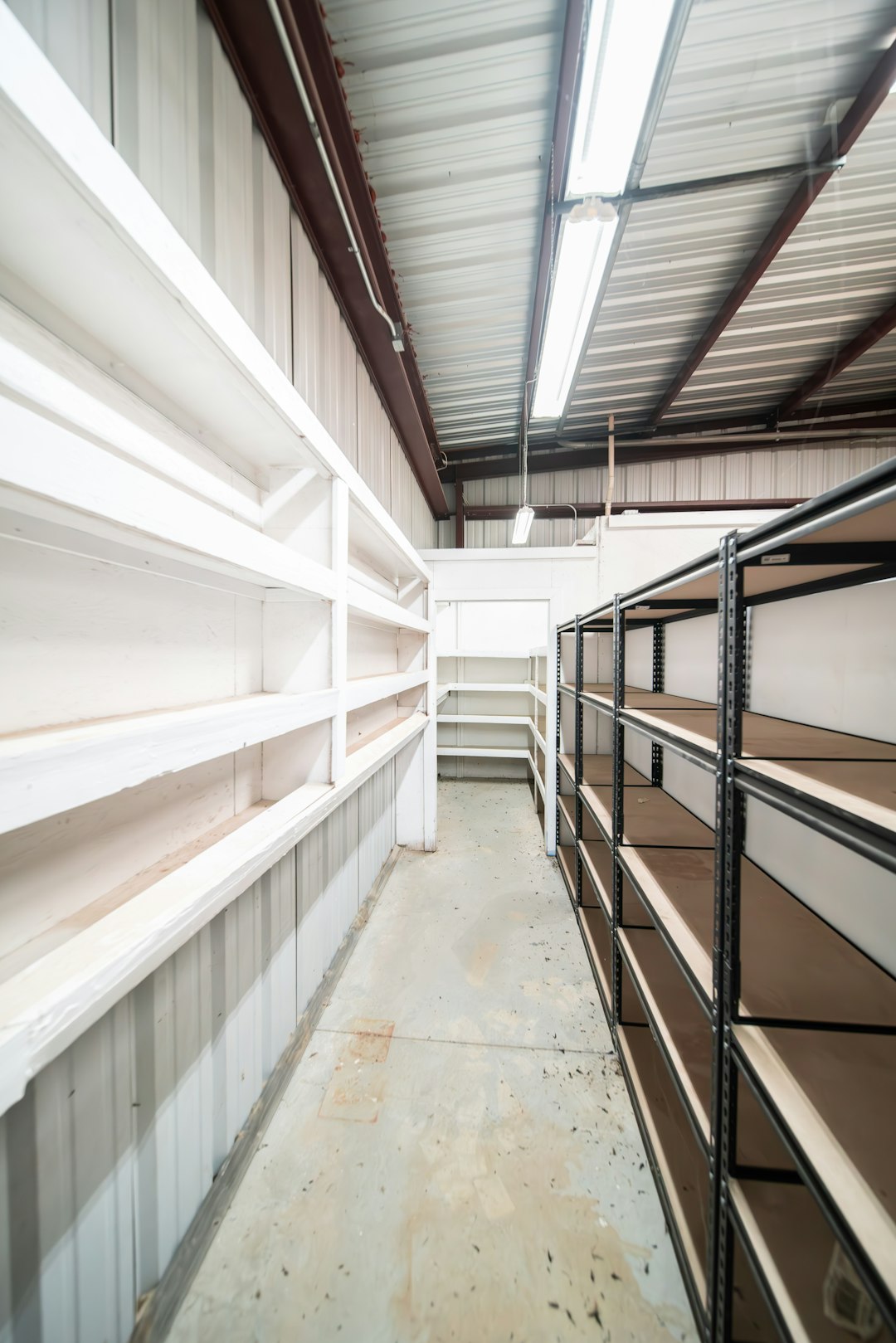
Inventory management means having enough products available without overstocking. Too little inventory can lead to lost sales; too much can tie up cash and create storage problems. Merchants often use sales reports, forecasting tools, and supplier timelines to keep inventory balanced.
4. Processing Payments
Modern merchants must accept payments securely and conveniently. This may include cash, credit cards, debit cards, mobile wallets, bank transfers, online checkout systems, or recurring billing. They also need to understand fees, refunds, chargebacks, fraud prevention, and payment compliance.
5. Marketing and Promotion
Even great products do not sell themselves. Merchants need to make customers aware of what they offer. A merchant might run a holiday sale, create product bundles, improve search engine visibility, build an email list, post videos, work with influencers, or redesign a storefront display.
6. Building Customer Relationships
Repeat customers are often more valuable than one-time buyers. Merchants build loyalty by offering reliable products, clear communication, fair policies, helpful support, and memorable experiences. In many businesses, trust is the difference between a single sale and a long-term customer relationship.
Types of Merchants
There are many kinds of merchants, each with a different way of reaching customers and generating revenue.
- Retail merchants: Sell directly to consumers, such as boutiques, supermarkets, bookstores, and online stores.
- Wholesale merchants: Sell goods in bulk to retailers, restaurants, offices, or other businesses.
- Ecommerce merchants: Operate primarily online through websites, marketplaces, social platforms, or mobile apps.
- Service merchants: Sell services instead of physical goods, such as salons, repair shops, agencies, or consultants.
- Digital merchants: Sell digital products or subscriptions, including courses, software, templates, music, or memberships.
- Import and export merchants: Buy goods from one country and sell them in another, often managing customs, shipping, and international regulations.
Examples of What Merchants Do
To make the role clearer, here are practical examples from different industries.
A coffee shop owner is a merchant who sells drinks, pastries, and possibly branded merchandise. Their responsibilities include sourcing coffee beans, setting menu prices, hiring staff, accepting payments, managing suppliers, and creating a welcoming environment.
An online shoe seller may buy footwear from manufacturers and list products on an ecommerce website. They photograph products, write descriptions, run digital ads, manage returns, monitor stock levels, and respond to customer reviews.
A wholesale food distributor sells large quantities of produce, dairy, or packaged goods to restaurants and grocery stores. This merchant focuses heavily on supplier relationships, logistics, delivery schedules, volume pricing, and freshness standards.
A software company can also be considered a merchant if it sells subscriptions. Instead of managing physical inventory, it handles customer onboarding, billing plans, renewals, technical support, and digital product updates.

Skills a Successful Merchant Needs
A strong merchant combines commercial instinct with practical management skills. Some of the most valuable skills include:
- Market awareness: Knowing what customers want and how trends are changing.
- Negotiation: Getting fair terms from suppliers, partners, and distributors.
- Financial literacy: Understanding margins, costs, taxes, and cash flow.
- Communication: Explaining value clearly to customers and maintaining good supplier relationships.
- Problem solving: Handling delays, complaints, shortages, and unexpected expenses.
- Adaptability: Adjusting to new technology, customer preferences, and economic conditions.
Why Merchants Matter
Merchants play a vital role in the economy. They help move goods from producers to buyers, create jobs, introduce new products, support communities, and give customers access to the things they need or enjoy. A local merchant may bring personality and convenience to a neighborhood, while an online merchant may connect a niche product with customers around the world.
They also influence trends. The products merchants choose to stock, promote, and recommend can shape what people buy. In competitive markets, merchants often act as curators, helping customers filter through countless options and find what is useful, beautiful, affordable, or innovative.
Final Thoughts
A merchant’s work may look simple from the outside: buy something, sell it, and earn a profit. In reality, successful merchants balance many moving parts, from product selection and pricing to marketing, payments, inventory, and customer care. Whether running a market stall, a global ecommerce brand, or a subscription-based service, a merchant’s real job is to understand value—where to find it, how to present it, and how to deliver it to the right customer at the right time.