
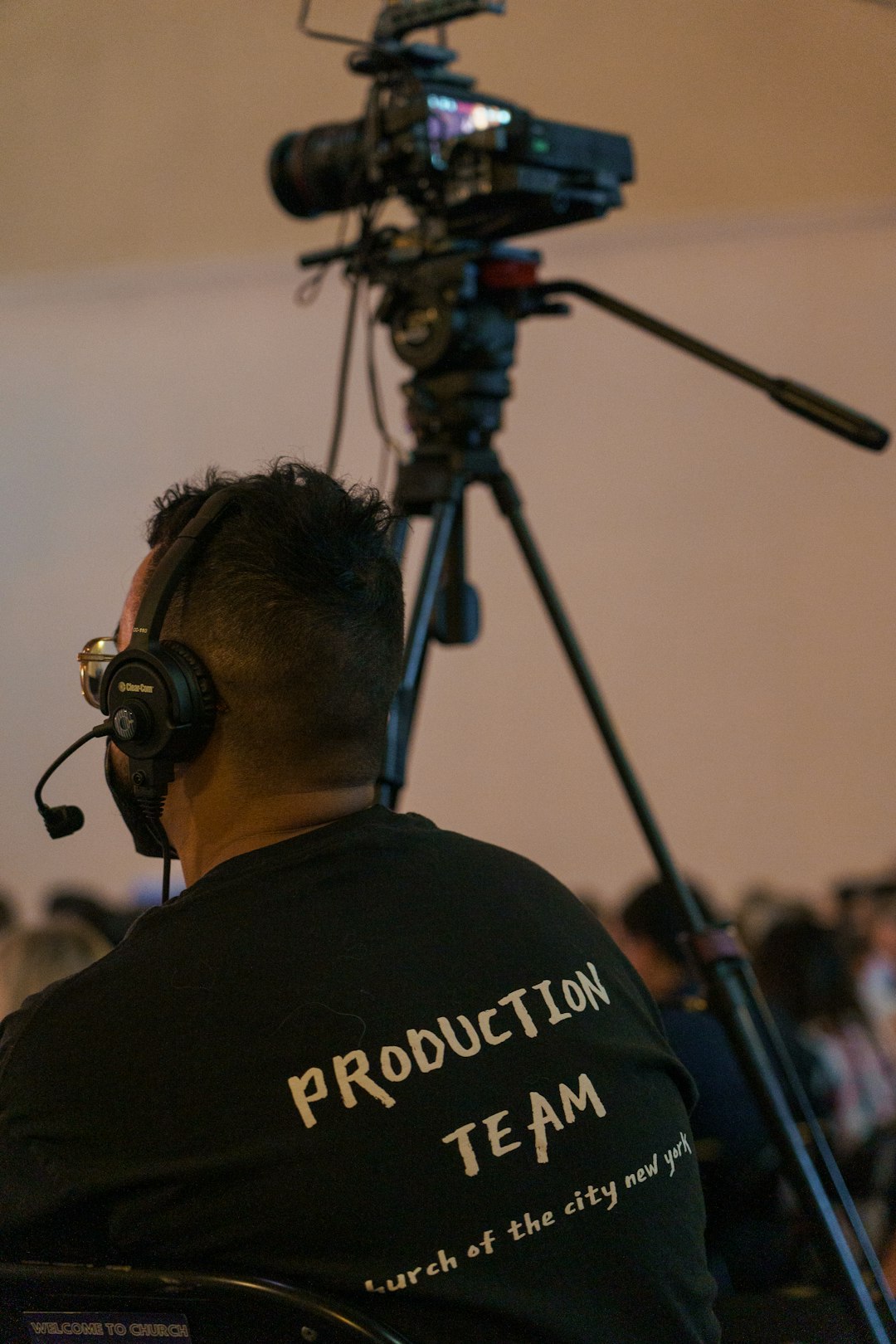
In recent years, the term Video&A has started appearing more frequently in conversations about communication, marketing, education, and customer engagement. While it may sound technical at first, the concept itself is surprisingly straightforward. At its core, Video&A represents a modern way of delivering and interacting with information through video in a structured, question-and-answer format. This article explains exactly what Video&A is, how it works, and why it is becoming increasingly valuable across industries.
TLDR: Video&A is a structured way of delivering information through video using a question-and-answer format. It combines the clarity of FAQs with the engagement of video content. Businesses, educators, and organizations use it to explain complex topics, answer common questions, and build trust. Its strength lies in simplicity, accessibility, and visual clarity.
Understanding the Core Idea of Video&A
To fully grasp Video&A, it helps to break the term into two parts:
- Video — visual and audio content delivered digitally.
- &A (Questions and Answers) — a structured format designed to provide clear, direct responses.
When combined, Video&A refers to video-based content organized around answering specific questions. Instead of reading a traditional FAQ page filled with text, viewers watch short video segments where a presenter addresses common concerns or explains important topics.
This format may appear simple, but its effectiveness stems from human psychology. People respond strongly to facial expressions, tone of voice, demonstrations, and visual aids. Video&A leverages these elements to create clarity and trust in ways that plain text often cannot.
Why Video&A Matters Today
The growth of Video&A is closely tied to changes in how we consume information. Modern audiences prefer content that is:
- Easy to understand
- Quick to access
- Visually engaging
- Available on demand
Long blocks of text can be discouraging, especially for complex topics. A well-crafted Video&A simplifies difficult subjects, adds human presence, and allows viewers to absorb information more naturally.
Moreover, trust has become a central issue in digital communication. Seeing a real person explain something on camera creates a sense of transparency. The presenter’s tone, confidence, and clarity play a major role in how credible the information feels.
How Video&A Works in Practice
Although formats may vary, most Video&A systems follow a similar structure:
- A question is presented — either as on-screen text or introduced verbally.
- A focused response is delivered — typically concise and structured.
- Visual support enhances understanding — slides, graphics, or demonstrations may be added.
- Optional navigation — viewers can choose specific questions they want answered.
This structured approach prevents information overload. Instead of overwhelming viewers with extended explanations, content is broken into clearly defined segments.
For example, a company might create separate short videos answering common customer concerns instead of producing one long explanation video. This ensures viewers find exactly what they need without unnecessary searching.
Common Use Cases for Video&A
Video&A is versatile and adaptable across industries. Below are some of the most common applications:
1. Customer Support
Many businesses use Video&A to address recurring customer questions. Rather than relying solely on written help articles, they create short explanation videos that:
- Explain product features
- Walk through setup processes
- Demonstrate troubleshooting steps
This reduces support workload while increasing customer satisfaction.
2. Education and Training
Educators and trainers use Video&A to clarify complex material. Students may submit questions, which are later answered through short video responses.

This format works especially well for:
- Online courses
- Corporate onboarding
- Certification programs
- Technical training
By seeing explanations delivered step by step, learners often retain information better than through reading alone.
3. Marketing and Sales
Marketing teams increasingly rely on Video&A to build credibility. Instead of making broad promotional claims, they address specific, realistic questions such as:
- How does the product compare to alternatives?
- What problems does it solve?
- Is it suitable for beginners?
This approach feels more transparent and customer-focused. It demonstrates openness rather than aggressive selling.
4. Internal Communication
Organizations also use Video&A internally. Executives or managers may respond to employee questions about strategy, policy changes, or long-term planning. The visual format helps reduce misunderstandings and aligns teams more effectively.
Key Advantages of Video&A
Video&A offers several distinct benefits over traditional formats:
- Clarity: Tone, expression, and examples improve comprehension.
- Efficiency: Short segments prevent wasted time.
- Accessibility: Videos can include subtitles for wider reach.
- Scalability: One video can answer thousands of identical questions.
- Trust building: Seeing a real person fosters confidence.
Perhaps the most important advantage is its ability to humanize communication. Even in highly technical industries, a calm and knowledgeable voice can make complex material feel manageable.
What Video&A Is Not
Clarity also comes from understanding what Video&A is not. It is not:
- A random video blog without structure
- A long, unorganized webinar
- Pure marketing without substance
- A substitute for detailed documentation when depth is required
Video&A works best when it is intentional and structured. Each question should serve a purpose, and each answer should be concise, factual, and easy to follow.
The Psychology Behind Its Effectiveness
Human communication evolved face-to-face. We instinctively read:
- Facial expressions
- Voice modulation
- Pauses and emphasis
- Body language
Video&A reintroduces these elements into digital communication. Compared to text, video reduces ambiguity. Tone clarifies seriousness, empathy, or confidence. This is particularly important when topics are sensitive or complex.
Additionally, breaking information into questions mirrors the natural way people think. Rather than processing abstract paragraphs, viewers receive direct responses to concrete concerns.

Best Practices for Creating Effective Video&A
To ensure Video&A content remains professional and trustworthy, several principles should be followed:
- Prepare clear questions in advance.
- Keep answers focused and structured.
- Avoid unnecessary jargon.
- Use visual aids when appropriate.
- Maintain professional production quality.
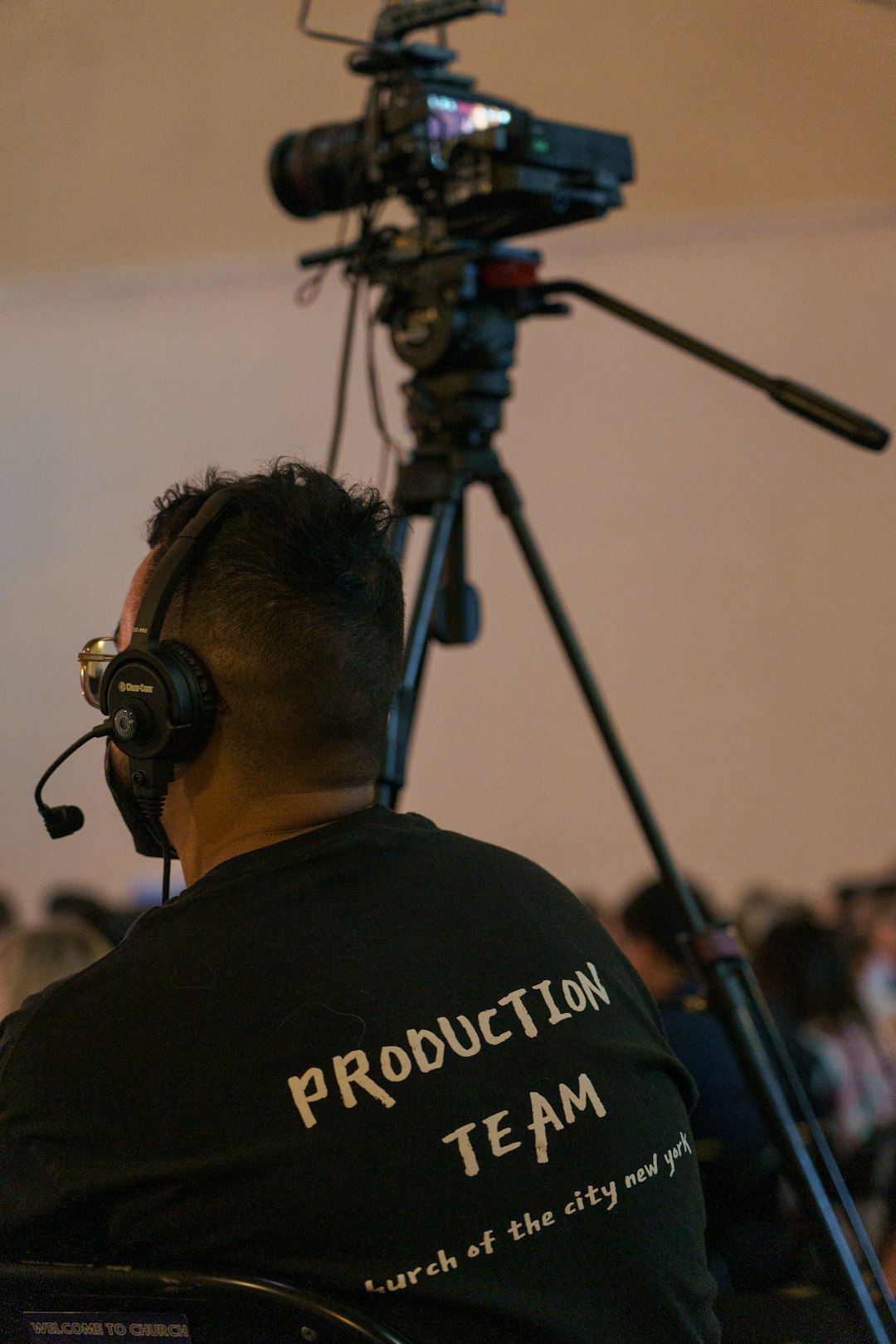
High production standards do not necessarily require expensive equipment. However, good lighting, clear audio, and minimal distractions significantly affect perceived credibility.
Consistency also matters. A structured series organized around themes or categories creates a coherent system rather than isolated clips.
Potential Challenges
Despite its advantages, Video&A does come with certain challenges:
- Production time: Recording and editing require planning.
- Keeping content updated: Information may change over time.
- Balancing brevity and depth: Oversimplification should be avoided.
However, these challenges are manageable with proper planning. Many organizations develop question libraries and regularly update their most viewed responses.
The Future of Video&A
As digital communication continues evolving, Video&A is likely to expand further. Increased bandwidth, widespread smartphone access, and remote work trends make video a natural communication channel.
Emerging technologies such as interactive navigation and searchable video indexing will likely enhance Video&A even more. Instead of scrolling through content manually, viewers may jump directly to precise timestamps answering specific concerns.
Nevertheless, the underlying principle will remain the same: clear, structured answers delivered through visual communication.
Conclusion
Video&A is not a complicated technological invention. It is a practical and highly effective communication format that combines the straightforward logic of questions and answers with the engaging power of video. Its adoption across customer service, education, marketing, and internal communication reflects its adaptability and relevance.
By providing direct responses in a visually transparent format, Video&A builds trust, improves understanding, and reduces confusion. In an era where clarity and credibility are increasingly valuable, it stands as a simple yet powerful solution. Organizations and individuals who use it thoughtfully benefit not only from better communication but from stronger relationships with their audiences.
Ultimately, Video&A succeeds because it respects a fundamental principle: people want clear answers delivered in a human, accessible way. Video merely enhances what has always been essential — direct, honest communication.