SLB and Halliburton matter because they turn messy oilfield work into cleaner digital workflows. They help teams plan wells, monitor drilling, track production, and spot problems before equipment throws a tantrum. SLB reported $33.14 billion in 2023 revenue, which shows the scale behind its digital oil and gas push [source: SLB].
TLDR: Upstream oil and gas software helps companies drill smarter, produce more, and waste less time. SLB and Halliburton are major providers, with platforms built for drilling, reservoir modeling, production, and field operations. For example, if a team cuts drilling downtime by just 8% on a 30-day well, it can save more than two full days of rig time. That is real money, not spreadsheet confetti.
What is upstream oil and gas software?
Upstream oil and gas is the part of the industry that finds and produces oil and gas. Think seismic data. Wells. Rigs. Reservoirs. Pumps. Mud. Pressure. Lots of pressure.
Upstream software helps teams make sense of all that. It pulls data from sensors, wells, geology models, lab reports, and field notes. Then it turns that data into decisions.
Simple idea. Hard job.
- Geologists use it to understand rock layers.
- Drilling teams use it to plan safer wells.
- Production teams use it to keep wells flowing.
- Executives use it to see costs, risk, and output.
Why the software matters so much
Oilfield work is expensive. Very expensive. One bad call can waste days. One stuck pipe can ruin the mood fast. One missed pressure warning can become a safety problem.
That is why digital operations tools are now a big deal. They help teams see issues early. They also help people in offices work with crews in the field.
Honestly, it feels like some older oilfield systems were built to punish anyone who needed a quick answer. You click. You wait. You export. You clean the file. Then someone emails a newer file five minutes later. Great. Love that.
Modern platforms try to fix that mess. They bring data into one place. They offer dashboards. They support cloud access. They also use analytics and AI to flag strange behavior.
SLB: Big digital tools for big field problems
SLB, formerly Schlumberger, is one of the best-known names in oilfield services. Its digital work often centers on platforms such as Delfi, which supports drilling, production, reservoir planning, and data science.
The big promise is simple. Give engineers better data. Give them faster models. Let them test ideas before making costly field moves.
SLB tools may help with:
- Reservoir modeling, so teams understand where oil and gas may sit.
- Well planning, so drilling paths are safer and more efficient.
- Production monitoring, so operators can spot weak wells.
- Carbon and emissions tracking, which is getting harder to ignore.
It drives me a little mad when software turns a simple chart into a 12-click workout. SLB’s newer digital tools aim to reduce that pain. The goal is fewer handoffs. Fewer mystery spreadsheets. Fewer “who changed this number?” meetings.
Halliburton: Landmark, DecisionSpace, and field brains
Halliburton is another giant. Its digital side is often linked with Landmark and DecisionSpace software. These tools support exploration, drilling, production, and asset planning.
Halliburton’s pitch is also practical. Connect planning with real field activity. Help teams move from model to wellsite without losing half the story on the way.
Common Halliburton software use cases include:
- Geoscience workflows for mapping underground formations.
- Drilling engineering for well design and risk checks.
- Real-time operations for live rig data and alerts.
- Production improvement for well and field output.
For large operators, this can be a big help. For smaller operators, the setup can feel heavy at first. Expect training. Expect data cleanup. Expect someone to ask where the “final final updated file” went.
What these platforms usually do
Most upstream oil and gas platforms share a few core jobs. They are not just fancy screens. At least, they should not be.
- Collect data: Wells, rigs, sensors, geology, logs, and reports.
- Clean data: Fix gaps, odd values, and naming chaos.
- Model assets: Build digital versions of reservoirs and wells.
- Monitor operations: Watch drilling and production in real time.
- Suggest actions: Flag risk, delays, and output changes.
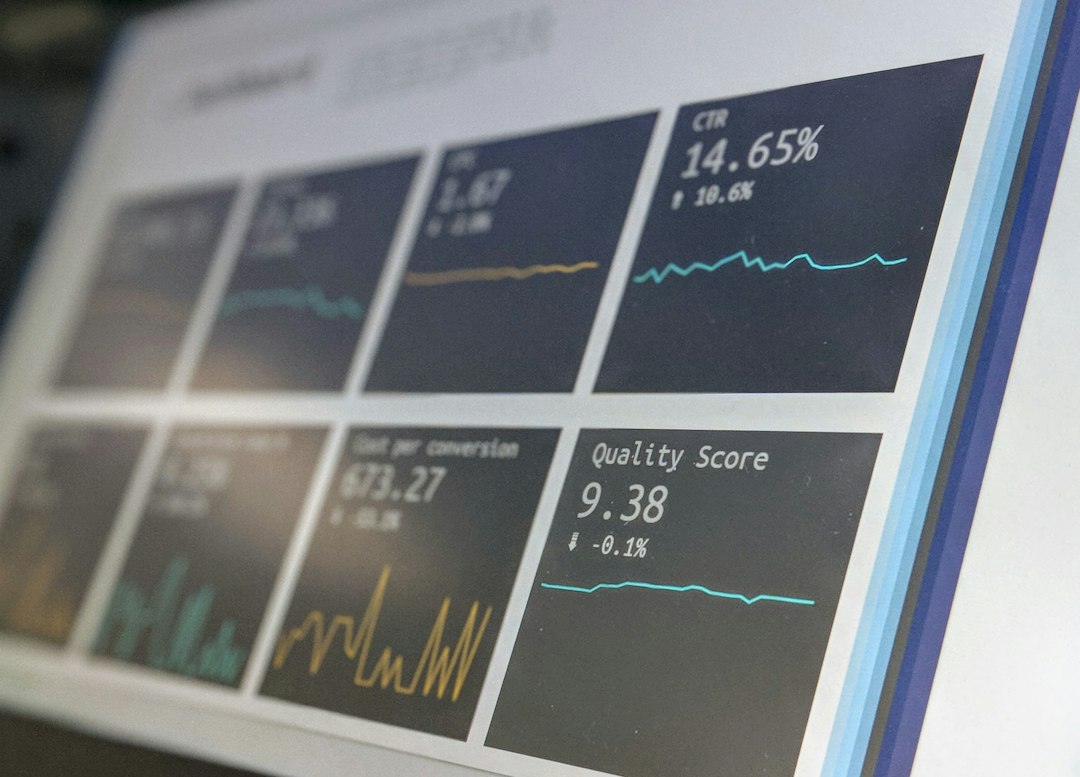
This is where analytics becomes useful. A dashboard might show that Well A is producing 15% below forecast. Another alert might show pump vibration rising 22% week over week. That can trigger maintenance before a shutdown.
Who else plays in this space?
SLB and Halliburton are big names, but they are not alone. Other providers include Baker Hughes, AspenTech, Honeywell, Emerson, Kongsberg, and specialized startups. Some focus on drilling. Some focus on production. Some focus on data management.
Buyers should also think beyond engineering. Oil and gas work touches contracts, suppliers, compliance, and finance. That is why teams often connect upstream platforms with procurement software, audit trails, and finance tools.
Regulated reporting matters too. When documents must be tracked and approved, customer communications and compliance software can help keep records cleaner. Even smaller service firms may compare office tools like accounting and tax software when managing invoices and filings.
How to pick the right upstream software
Do not buy the shiniest demo. Buy the tool that fits the work.
- Check data fit: Can it handle your well, rig, and sensor data?
- Check speed: Does it load fast when the field team needs it?
- Check usability: Can real users learn it without crying into coffee?
- Check integration: Does it connect with current systems?
- Check support: Can the vendor help during live operations?

The best upstream oil and gas software makes hard work simpler. SLB and Halliburton both bring serious tools to the table. The right choice depends on your assets, your data, and your team. Pick the one that saves time in the field, not just the one that looks slick in a sales deck.