
When you buy a sofa, refrigerator, large cabinet, or other bulky item online, the product page often mentions a delivery method that sounds simple but can be confusing in practice: threshold delivery. It is one of the most common freight shipping options for heavy household goods, sitting somewhere between curbside drop-off and full white glove service. Understanding what it does—and does not—include can save you time, frustration, and surprise fees on delivery day.
TLDR: Threshold delivery means the carrier brings your shipment to the first safe, covered entry point of your home or building, such as a front door, garage, lobby, or loading area. It usually does not include carrying the item upstairs, placing it in a specific room, unpacking, assembly, or removing packaging. It is more convenient than curbside delivery but less comprehensive than white glove delivery. Always check the seller’s exact definition before ordering, because policies vary.
What Does Threshold Delivery Mean?
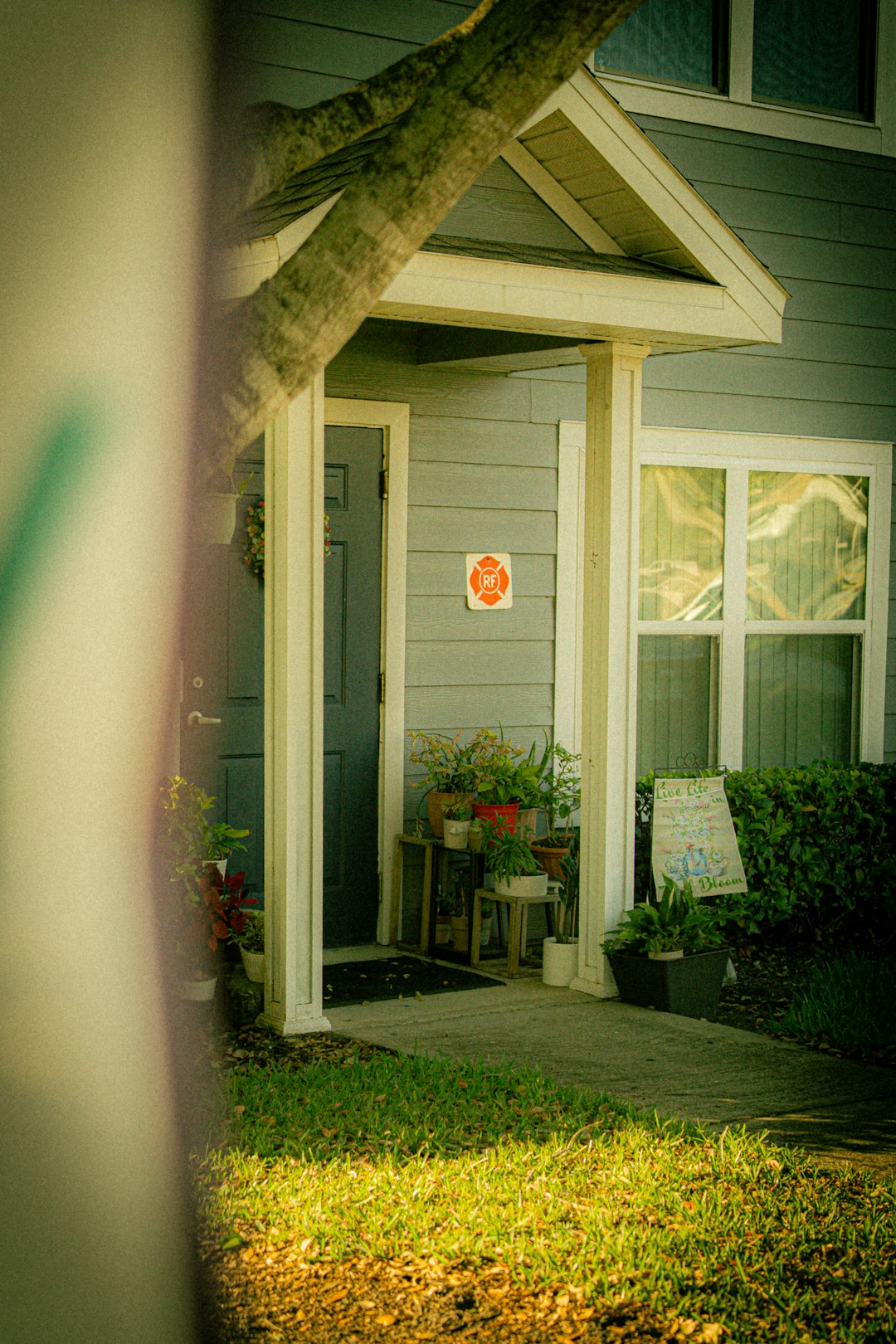
Threshold delivery is a shipping service used mainly for large, heavy, or freight items. Instead of leaving the shipment at the curb or at the end of your driveway, the delivery team brings it to the “threshold” of your home or building. In practical terms, this is usually the first accessible point that is sheltered and safe for the driver to reach.
Depending on the property, that threshold might be:
- The front door of a house
- A garage or carport entrance
- The lobby of an apartment building
- A loading dock in a commercial building
- The first dry area inside a covered entryway
The key idea is that the item crosses the line from outside drop-off to a protected entry area, but the service typically stops there. The delivery team is not expected to move the item through your home, navigate tight hallways, climb stairs, or set it up.
How Threshold Delivery Differs from Other Shipping Options
Shipping terms can sound similar, but they describe very different levels of service. Here is how threshold delivery compares with common alternatives:
- Curbside delivery: The carrier leaves the item at the curb, driveway, or nearest accessible outdoor location. You are responsible for moving it from there.
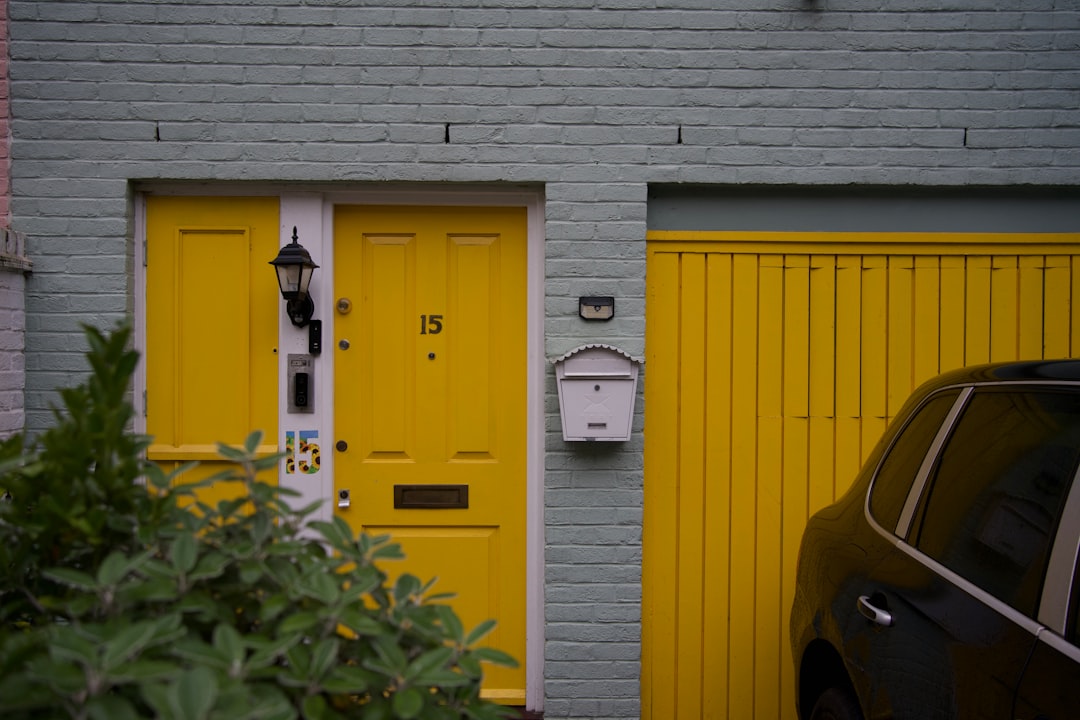
- Threshold delivery: The item is brought to the first covered entry point, such as the front door, garage, or building lobby.
- Room of choice delivery: The carrier takes the item into a specific room, often with limitations on stairs, elevators, or distance.
- White glove delivery: A premium service that may include room placement, unpacking, light assembly, inspection, and packaging removal.
In short, threshold delivery gives you some assistance beyond curbside shipping, but it is not a complete in-home installation service. This makes it a popular middle-ground option for shoppers who want help getting a large item out of the weather but do not need full setup.
What Is Usually Included?
Although every retailer and carrier may define the service slightly differently, threshold delivery commonly includes:
- Scheduled freight delivery: Many carriers arrange a delivery window in advance, especially for large items.
- Transport to the first safe entry point: The item is moved from the truck to your threshold area.
- Basic handling by the carrier: The delivery team uses equipment such as pallet jacks, lift gates, or dollies when appropriate.
- Protection from immediate outdoor exposure: The shipment is typically placed in a covered or sheltered location if one is accessible.
For example, if you order a boxed dining table, threshold delivery may mean the carrier places it just inside your front door or inside your garage. If you live in a secured apartment building, it may mean delivery to the lobby rather than your unit.
What Is Not Usually Included?
This is where misunderstandings often happen. Threshold delivery sounds helpful, but it has clear limits. Most services do not include:
- Carrying items up or down stairs
- Moving items into bedrooms, kitchens, offices, or other interior rooms
- Unboxing or removing pallets, crates, or packaging
- Assembly, installation, or connection of appliances
- Disposal of old furniture or appliances
- Delivery through narrow, unsafe, or obstructed pathways
If your item weighs 200 pounds and your living room is upstairs, threshold delivery may leave you with a serious logistical challenge. Before ordering, think through how the item will get from the threshold to its final location.

Why Retailers Use Threshold Delivery
Threshold delivery is common because it balances cost, convenience, and liability. Full in-home delivery requires more labor, more time, and greater risk of property damage. Carriers may need to insure against scratched floors, damaged walls, staircase accidents, or improper installation. By limiting delivery to the threshold, companies can offer a more affordable freight option while still giving customers more support than a curbside drop.
It is especially common for products such as:
- Furniture, including sofas, sectionals, beds, and dining sets
- Large appliances, such as refrigerators, washers, and dryers
- Exercise equipment
- Mattresses and adjustable bases
- Office furniture and commercial fixtures
Because these items are difficult to ship through standard parcel services, they often travel through freight networks and require special delivery arrangements.
What to Do Before Delivery Day
A little preparation can make threshold delivery much smoother. Start by reading the retailer’s shipping policy carefully. Do not assume that “threshold” means the same thing everywhere. One seller might bring the item just inside the garage, while another may only deliver to the front porch if stairs or narrow access are involved.
Before the carrier arrives, consider this checklist:
- Measure access points: Check doorways, gates, hallways, and entry areas to confirm the box can fit.
- Clear the path: Remove planters, rugs, snow, toys, tools, or other obstacles.
- Plan extra help: Arrange friends, family, or movers if the item must go beyond the threshold.
- Inspect the shipment: Look for visible damage before signing the delivery paperwork.
- Take photos: Document damaged boxes, dents, punctures, or moisture before opening.
If the packaging appears severely damaged, note it on the delivery receipt before signing. This can be important if you need to file a claim with the seller or shipping company.
Threshold Delivery for Apartments and Condos
Apartment and condo deliveries can be more complicated than single-family homes. The “threshold” may be interpreted as the building entrance, lobby, mailroom, concierge area, or loading dock—not your individual apartment door. If your building requires elevator reservations, certificates of insurance, or scheduled loading dock access, arrange these details before the delivery date.
It is also wise to ask the retailer or carrier directly: “Will the delivery be brought to my apartment door, or only to the building entrance?” Getting that answer in writing can prevent confusion.
Is Threshold Delivery Worth It?
For many shoppers, threshold delivery is worth it because it keeps heavy freight from being left outdoors or at the curb. It is especially useful if you have a garage, covered porch, or easy ground-level entrance. However, if you cannot move the item yourself after delivery, you may need to upgrade to room of choice or white glove service.
The best choice depends on three things: the size of the item, the layout of your home, and how much physical help you have available. Threshold delivery is convenient, but it is not a substitute for professional moving or installation.

Final Thoughts
Threshold delivery means your shipment is delivered to the first accessible, sheltered entry point—not necessarily to the room where you want to use it. It is a practical shipping option for large items, offering more service than curbside delivery without the higher cost of white glove handling. To avoid surprises, always confirm the exact terms, prepare your entryway, and make a plan for moving the item the rest of the way. With the right expectations, threshold delivery can be a simple and efficient way to receive bulky purchases safely.