
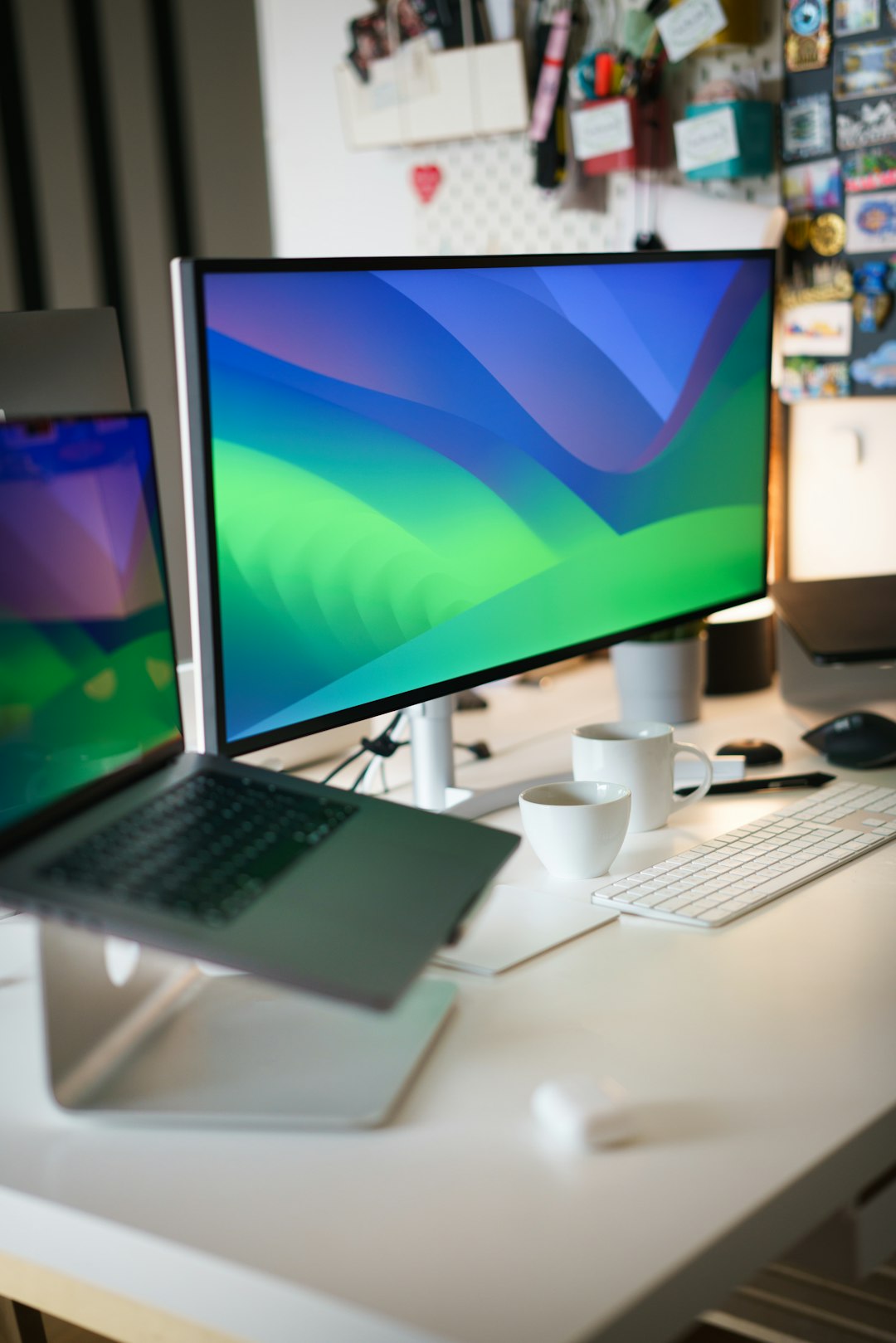
The best stop animation ideas are simple, visual, and easy to understand in the first three seconds. Short videos work best when they use one strong concept: an object moves by itself, a character changes shape, food builds a meal, or paper turns into a tiny world. Creators do not need a large studio. A phone, steady light, a tripod, and a clear idea can produce a polished short.
TLDR: Stop animation works well for short videos, social media, storytelling, education, and experimental films because it turns ordinary objects into memorable scenes. A 20-second clip of sneakers “walking” across a bedroom can say more than a long product post. In one small classroom case, a teacher asked 24 students to explain the water cycle through paper stop motion; 19 students scored higher on the follow-up quiz than on the written-only lesson. The strongest ideas use clear motion, bold shapes, and a tiny story arc.
Creative Stop Animation Ideas for Short Videos
Short stop animation videos should stay focused. One idea, one setting, one payoff. That is enough. The format rewards speed and clarity, especially when the final clip lasts under 30 seconds.
- Object takeover: Pens, mugs, books, or toys move around a desk while no one is watching.
- Transformation loop: A ball of clay becomes a face, then a creature, then returns to clay.
- Mini cooking magic: Ingredients jump into a bowl and turn into cookies, pancakes, or pizza.
- Wardrobe animation: Clothes fold, stack, dance, or dress a character frame by frame.
- Desk cleanup race: Messy items arrange themselves into perfect order.
The trick is to make each movement readable. Tiny shifts can look jittery. Bigger, cleaner movements feel better on phone screens. Creators often shoot 10 to 12 frames per second for simple social clips. That keeps the motion charming without creating hundreds of photos.

Stop Animation Ideas for Social Media
Social media rewards videos that hook viewers fast. The first second matters. A hand does not need to appear. The object itself can act as the star.
Product reveals are popular for small shops. Jewelry can slide out of a box. Stickers can peel themselves from a sheet. A candle can “decorate” its own product photo with matches, flowers, and labels.
Before and after clips also work well. A messy sketch can become a finished drawing. A blank wall can fill with posters. A plain notebook can cover itself in doodles. These clips feel satisfying because the viewer sees progress fast.
Looping animations are useful for feeds and short video platforms. A coffee cup fills, empties, and fills again. A paper sun rises and sets. A clay blob smiles, melts, and reforms. The final frame should match the first frame, or almost match it.
Honestly, it feels like some editing apps make this harder than needed. A creator may spend 40 extra seconds hunting for the frame rate setting after every update. A simple workflow matters: shoot, import, adjust speed, add sound, export.
Storytelling Ideas With Characters and Emotion
Stop animation storytelling does not require long dialogue. A tiny shift in posture can suggest fear, joy, boredom, or surprise. This makes it a strong form for micro stories.
- The lost button: A shirt button falls off and travels across a room to find its owner.
- The lonely plant: A paper plant grows only when other objects gather near it.
- The brave matchstick: A match tries to light a dark room but fears burning out.
- The toy repair shop: Broken toys help fix one another overnight.
- The moon in a jar: A child character tries to catch moonlight using glass, paper, and string.
For stronger stories, filmmakers often use the three-beat shape: setup, problem, change. For example, a clay turtle wants to cross a desk. A pencil blocks the way. The turtle uses paper clips as wheels. That small structure gives the animation purpose.
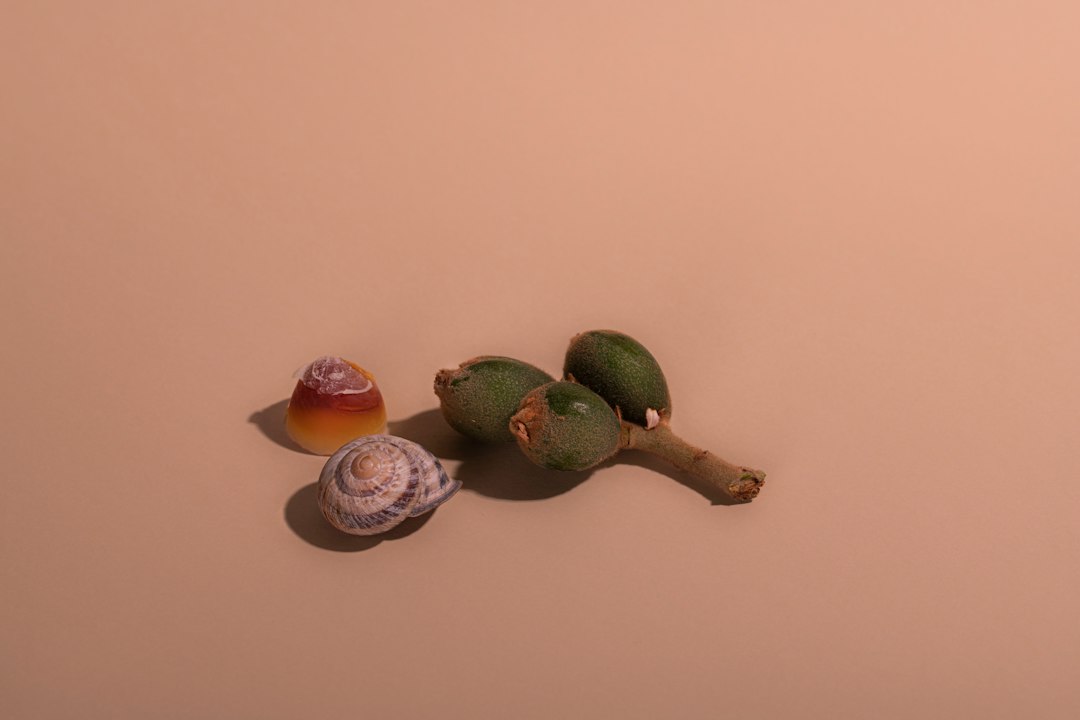
Educational Stop Animation Ideas
Stop animation can make abstract lessons visible. It gives students a reason to plan, build, test, and explain. It also fits science, language arts, history, art, and math.
- Science: Show the water cycle with cotton clouds, blue paper rain, and a moving sun.
- Math: Animate fractions with paper pizza slices or blocks grouping into arrays.
- History: Recreate a timeline with paper figures and labeled dates.
- Language arts: Animate a scene from a novel using simple character cutouts.
- Health: Show how germs spread from one surface to another using colored dots.
Teachers should keep the scope tight. A 45-second student film can take a whole class period to plan and shoot. Expect to waste time on wobbly tripods, missing props, and hands appearing in frames. That is normal. A checklist helps: storyboard, prop list, camera position, lighting, frame count, voiceover.
Experimental Filmmaking Ideas
Experimental stop animation can break familiar rules. It may focus on rhythm, texture, light, or shape instead of a clear plot. This is where the medium gets strange in the best way.
Paint animation can show color spreading across glass or paper. Each frame changes the painting slightly. The result feels alive and unstable.
Sand animation works well for mood pieces. A face can form, disappear, and become a landscape-like scene without cutting to a new shot. To avoid that banned term? Use “scene” instead. Soft lighting makes the grains easier to read.
Light stop motion uses lamps, flashlights, shadows, and reflections. A shadow creature can crawl across a wall. A bulb can flicker in patterns that match music. This style is cheap, but it needs a dark, controlled room.
Human stop motion, sometimes called pixilation, turns real people into frame-by-frame characters. A person can glide across a floor, float on a chair, or “fall” upstairs. Safety matters here. The actor should hold stable poses and avoid risky jumps.
Practical Tips for Better Results
Good stop animation is less about expensive gear and more about control. The camera must not move unless the movement is planned. Light should stay steady. Props should be easy to adjust without falling apart.
- Use a tripod: Even a cheap phone stand improves the final clip.
- Lock exposure and focus: Flickering brightness can ruin a scene.
- Mark positions: Tape on the table helps track where objects belong.
- Take extra frames: Holds at the start and end make editing easier.
- Add sound: Tiny clicks, pops, and footsteps make objects feel alive.
Sound is often the missing piece. A paper car looks better with soft tire squeaks. A clay monster feels funnier with a tiny grunt. Music can help, but strong sound effects often do more.
FAQ
What is the easiest stop animation idea for beginners?
A moving object on a desk is the easiest starting point. A pencil can roll, jump, draw a line, and return to its place. It needs few props and very little setup.
How many photos are needed for a short stop animation?
At 10 frames per second, a 15-second animation needs about 150 photos. Beginners can start with 5 to 8 frames per second to reduce the workload.
What materials work best for stop animation?
Clay, paper, toys, food, sticky notes, fabric, and household objects all work well. The best material is one that can be moved in small steps without breaking.
Can stop animation be used for school projects?
Yes. It works well for science cycles, book scenes, timelines, math models, and vocabulary lessons. It helps students show process, not just final answers.
What makes a stop animation video good for social media?
A strong hook, bright visuals, clean motion, and a quick payoff help. Loops, transformations, and satisfying organization scenes often perform well because viewers understand them instantly.