
Build every shot list around intent, framing, movement, audio, and time, not just a list of attractive angles. A professional shot list gives the director, cinematographer, producer, editor, and client the same plan before anyone touches a camera. It reduces guesswork, protects the schedule, and makes sure every required moment is captured.
TLDR: A strong shot list turns a video idea into a practical shooting plan with shot numbers, framing, camera movement, subject action, audio notes, and estimated time. For example, a two-camera interview with 14 planned shots can often cut setup confusion by 20–30% because lighting, coverage, and B-roll are decided early. A small YouTube team filming a 7-minute tutorial might save 45 minutes on set by grouping all overhead shots together. The best shot lists are clear enough for crew, clients, and editors to understand without a long meeting.
What a Professional Shot List Should Include
A shot list is not the same as a storyboard, though the two often work together. A storyboard shows the visual idea. A shot list tells the crew how to capture it. The document should be simple, readable, and specific.
- Scene or segment number: Helps organize the shoot by script section.
- Shot number: Keeps footage easy to track during production and editing.
- Shot size: Wide, medium, close-up, extreme close-up, over-the-shoulder, or insert.
- Camera angle: Eye level, low angle, high angle, profile, top-down, or POV.
- Camera movement: Static, pan, tilt, dolly, handheld, gimbal, slider, or drone.
- Subject action: What the person, product, or environment does in the shot.
- Audio notes: Dialogue, natural sound, voiceover, room tone, or music reference.
- Estimated time: Setup and shooting time for each shot.
- Priority: Mark must-have shots separately from nice-to-have coverage.
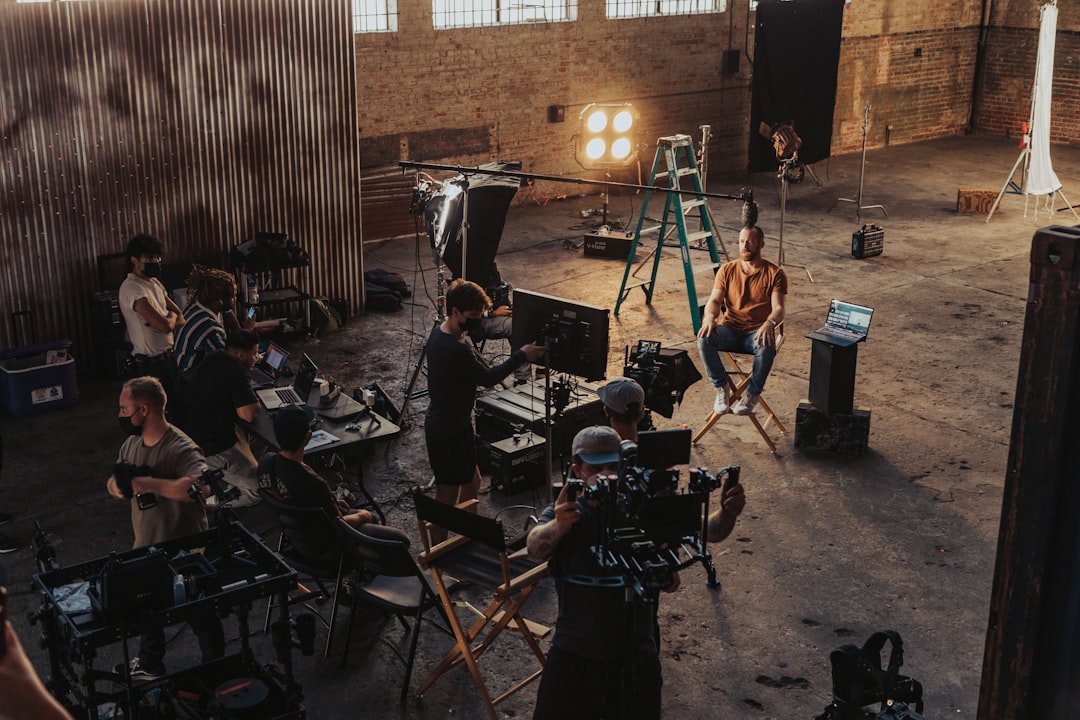
Film Shot List Example
Film shot lists must support story, emotion, continuity, and coverage. A good film list also respects the editor. If a scene has no proper cutaways or reaction shots, expect to waste time trying to hide awkward cuts later.
| Shot | Type | Description | Movement | Notes |
|---|---|---|---|---|
| 1A | Wide shot | Character enters empty apartment at night. | Slow dolly in | Establish mood and space. |
| 1B | Close-up | Hand turns rusty door handle. | Static | Record clean handle sound. |
| 1C | Over-the-shoulder | Character sees a broken photo frame. | Handheld | Add tension and instability. |
| 1D | Reaction close-up | Character realizes someone has been inside. | Static | Must-have emotional beat. |
Professional tip: For narrative work, group shots by location and lighting direction when possible. Shooting in script order is not always efficient. Continuity notes matter more than perfect order.
Interview Shot List Example
Interview videos look simple, but weak planning shows fast. The main risk is ending with one usable angle and thin B-roll. A serious interview shot list should cover the speaker, the environment, and visual proof of what is being discussed.
- Shot 1: Medium shot of interview subject, A camera, eye-level, locked off.
- Shot 2: Tight close-up, B camera, 30-degree angle, used for emphasis and edits.
- Shot 3: Wide room shot showing the subject in context.
- Shot 4: Hands, notes, tools, or personal objects related to the story.
- Shot 5: Exterior building sign or location entrance.
- Shot 6: Subject walking through the workspace.
- Shot 7: Cutaway of interviewer listening, if the format includes the interviewer.
Always capture 30–60 seconds of room tone. It feels boring on set. It saves edits later. Also record B-roll after the interview while the answers are fresh, because the best supporting visuals often come from phrases the subject just used.
Commercial Shot List Example
A commercial shot list is built for persuasion. Every shot must sell a benefit, reduce doubt, or make the product easier to understand. Brand teams usually care about product accuracy, logo placement, color, and legal claims, so the shot list should reflect those limits.
| Shot | Visual | Purpose | Detail |
|---|---|---|---|
| 1 | Hero product on clean surface | Brand recognition | Logo faces camera. |
| 2 | User struggles with old solution | Problem setup | Keep performance believable. |
| 3 | Product in use | Show benefit | Capture real action, not vague beauty shots. |
| 4 | Close-up of feature | Proof | Macro lens or tight framing. |
| 5 | End frame with product and call to action | Conversion | Leave space for text. |
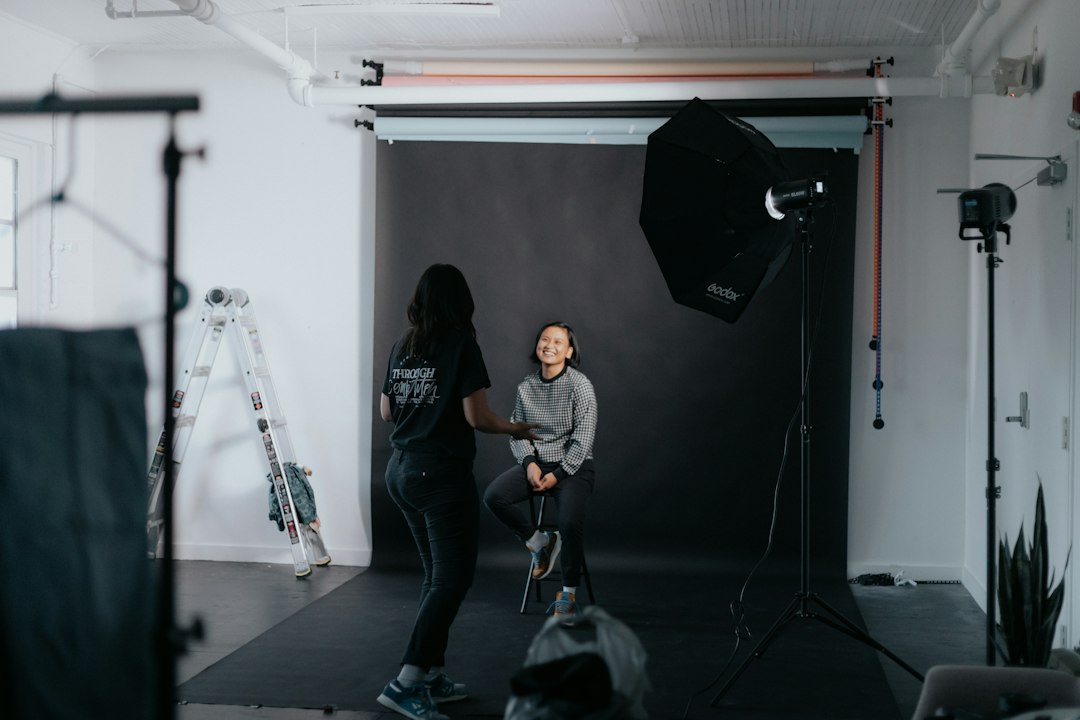
Commercial shoots need strict priorities. If time runs short, the hero shot, product-in-use shot, and final call-to-action shot come first. A clever transition is useless if the product benefit is unclear.
YouTube Video Shot List Example
YouTube production rewards speed, clarity, and repeatable structure. The best shot lists help creators avoid rambling footage and uneven coverage. Honestly, it feels like many creators lose 10 minutes per segment just checking what they already filmed.
- Hook shot: Tight host shot with the main promise in the first 5–10 seconds.
- Main angle: Medium shot of host speaking to camera.
- Secondary angle: Side angle or tighter crop for pacing.
- Demonstration shot: Top-down or screen recording, depending on the topic.
- Insert shots: Tools, ingredients, device screens, documents, or results.
- Before and after: Clear comparison for tutorials, reviews, and transformations.
- End screen shot: Host wraps up with space for graphics or suggested videos.
For a tech review, a practical list might include a talking-head intro, product unboxing, ports close-up, screen test, battery chart, comparison device, sample footage, and final verdict. That is enough to support a clean edit without overshooting random clips.
Shot List Examples for Events, Training, and Social Videos
Not every production is a film, interview, commercial, or YouTube episode. Corporate events, training videos, online courses, testimonials, and short social campaigns need shot lists too. The format can be lighter, but the discipline should stay.
- Event video: Venue exterior, signage, registration, speaker wide shot, audience reactions, networking, sponsor booths, applause, closing moment.
- Training video: Instructor intro, safety warning, each process step, close-up of hand action, common mistake, finished result.
- Social media short: Opening visual hook, fast action beat, close-up proof, text-friendly clean frame, final reveal.
- Customer testimonial: Customer portrait, workplace B-roll, product use, team interaction, result-focused cutaways.
A Simple Shot List Template
Use this structure when building your own list. Keep it practical. A shot list that nobody reads is just paperwork.
- Project name: Video title or campaign name.
- Date and location: Include room names if needed.
- Scene or segment: The part of the script or outline being filmed.
- Shot number: Use clear labels such as 2A, 2B, 2C.
- Framing and angle: State exactly what the camera sees.
- Movement: Note if the camera moves or stays locked.
- Talent or subject action: Describe what happens.
- Audio: Dialogue, sync sound, effects, or silence.
- Gear: Lens, tripod, gimbal, slider, drone, light, or microphone.
- Priority: Essential, secondary, optional.
How to Make Shot Lists More Useful
Write for the people who will use the list under pressure. Avoid clever labels that only make sense to one person. Use plain language. Mark risky shots early, such as drone work, child talent, stunts, night scenes, or product macros.
Review the list with the director of photography, producer, and editor before filming. The editor may ask for cutaways. The producer may flag time issues. The cinematographer may suggest combining setups to save an hour. Those conversations are cheaper before the shoot than after wrap.
A professional shot list is not rigid. It is a control tool. Use it to protect the must-have footage, then allow room for smart creative choices when the set, talent, or light offers something better.