

Build SEO into every team’s workflow, not as a last-minute checklist. Search teams win when product, content, engineering, and marketing know what users are searching for before work begins. That means shared goals. Shared roadmaps. Shared wins. No more “Can you SEO this?” two hours before launch.
TLDR: An SEO team should act like a friendly traffic control tower for the whole business. Product learns what users want. Content answers the right questions. Engineering keeps pages fast and crawlable. Marketing turns search demand into campaigns. For example, one SaaS team added SEO input to product planning and grew organic demo requests by 38% in six months, while cutting wasted content work by 22%.
Why SEO Should Not Sit in a Corner
SEO is not just keywords. It is user research. It is technical health. It is content planning. It is brand demand. It touches almost everything.
That is why the SEO team should not be treated like the “sprinkle some magic dust” team. That never works. It also makes everyone cranky.
Search data tells you what people want. It shows how they describe pain. It shows what competitors answer better than you. It even shows which product pages confuse real humans.
Honestly, it feels like teams waste weeks building things that search data could have questioned in five minutes.

The SEO Team’s Real Job
The SEO team should be the connector. Not the blocker. Not the police. Not the person who says “add more keywords” and walks away.
A strong SEO team helps other teams make smarter calls.
- With product: Find what users need before features are planned.
- With content: Match articles and pages to real search intent.
- With engineering: Fix crawl, speed, indexation, and page structure issues.
- With marketing: Turn search insights into campaigns that convert.
The goal is simple. More useful pages. Fewer surprises. Better rankings. More revenue.
Working With Product Teams
Product teams care about users. SEO teams bring user language at scale. That is a great match.
Before product builds a feature, SEO can show what people search. Not maybe. Not vibes. Actual phrases. Actual monthly demand. Real questions.
For example, a project management app might call a feature “workload visibility.” Nice. Fancy. But users may search for “team capacity planning” or “who is overloaded at work.” That gap matters.
SEO can help product teams with:
- Feature naming
- Category page ideas
- User pain points
- Competitor gaps
- Questions for customer interviews
- Internal linking from product pages
Make this easy. Add SEO to product discovery meetings. Not every meeting. Please, no. Just the ones where new features, new markets, or new pages are discussed.
A good rule: if a feature may get a public page, SEO should see it early.
Working With Content Teams
Content and SEO should be best friends. Sometimes they act like roommates fighting over a dirty sink. That is usually because goals are unclear.
Content teams want useful stories. SEO teams want pages that match demand. Both can happen.
The SEO team should not hand over a cold keyword list and vanish. That is lazy. Instead, give content a clear brief.
A useful SEO brief should include:
- Main search intent: What does the reader want?
- Primary keyword: The main topic.
- Related terms: Natural phrases to include.
- Top pages: What currently ranks.
- Angle: How your page will be better.
- Internal links: Pages to link to and from.
- Conversion goal: What the reader should do next.
Keep briefs short. Writers do not need a 14-page spreadsheet that takes 37 seconds to load and still hides the target keyword in column AA. It drives me crazy that this still happens.
Also, protect quality. A page stuffed with awkward phrases is not SEO. It is a soup made of printer ink.

Working With Engineering Teams
Engineering keeps SEO alive. Really. A beautiful page that loads slowly, blocks crawlers, or breaks on mobile is a sad little boat.
SEO teams need engineers for technical fixes. Engineers need SEO teams to explain business impact.
Do not say, “Fix canonical tags.” Say, “Google may index the wrong version of 1,200 product pages. That can split rankings and cost traffic.” Much better.
SEO and engineering should work together on:
- Page speed
- Mobile usability
- Structured data
- XML sitemaps
- Canonical tags
- Redirects
- Indexation rules
- JavaScript rendering
- Faceted search controls
Create a shared technical SEO backlog. Score each ticket by impact and effort. Engineers love clear scoring. Everyone loves fewer mystery requests.
Use simple labels:
- Critical: Traffic or revenue risk.
- High: Large ranking or crawl benefit.
- Medium: Helpful, but not urgent.
- Low: Nice cleanup.
Also, join sprint planning when SEO issues affect releases. A launch can ruin months of growth if redirects are skipped. Painful. Avoidable. Very annoying.
Working With Marketing Teams
Marketing turns attention into action. SEO shows where that attention already exists.
Search data can help marketing choose campaign topics, landing pages, offers, and timing. It can also show where paid search is spending too much on terms that could be won organically.
For example, if paid ads spend $8,000 a month on “best invoice software for freelancers,” maybe that topic needs a strong organic page too. If that page later earns 4,000 visits a month, paid spend can shift to harder terms.
SEO can support marketing with:
- Campaign landing page plans
- Seasonal search trends
- Brand vs non-brand demand reports
- Customer question research
- Competitor content gaps
- Conversion-focused page updates
Marketing can help SEO too. PR can earn links. Email can boost new content. Social can test hooks. Paid search can test copy before SEO pages are built.
How to Make Collaboration Less Painful
Meetings are not the answer to every problem. Sometimes they are the problem wearing a calendar invite.
Use a simple system instead.
- One shared roadmap: Put SEO tasks beside product, content, and engineering work.
- One intake form: Let teams request SEO help without random chat chaos.
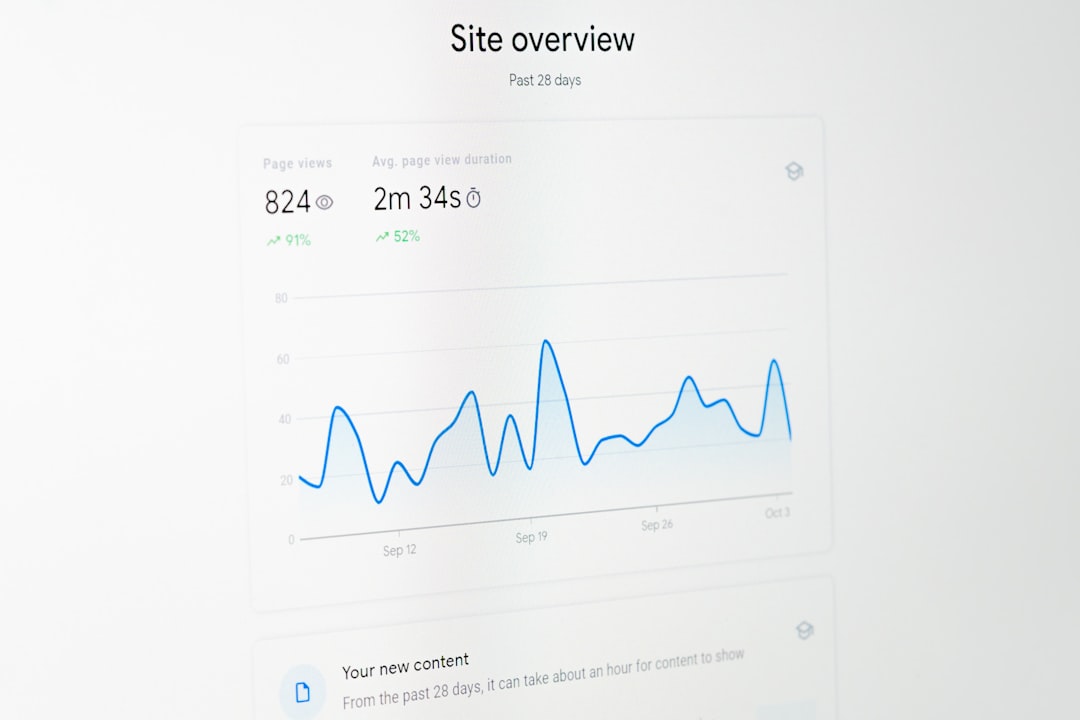
- One monthly report: Show traffic, leads, revenue, wins, and blockers.
- One owner per task: No “we should” unless someone owns it.
- One shared glossary: Explain crawl budget, intent, schema, and other weird SEO words.
Keep reports simple. Nobody outside SEO wants to stare at 19 charts about impressions. Show what changed. Show why. Show what happens next.
A strong monthly update might say:
- Organic traffic rose 14%.
- Product pages drove 620 sign-ups.
- Three technical fixes improved average load time by 0.8 seconds.
- Five content pages now rank on page one.
- Engineering support is needed for redirect errors.
A Simple Collaboration Rhythm
Here is a clean weekly setup.
- Monday: SEO checks launches, rankings, and urgent issues.
- Tuesday: Content and SEO review briefs and updates.
- Wednesday: Product shares upcoming pages or features.
- Thursday: Engineering reviews technical SEO tickets.
- Friday: Marketing and SEO review campaigns and results.
This does not need five long meetings. Use async notes where possible. Meet only when decisions are needed.
What Success Looks Like
Good SEO collaboration feels calm. Not silent. Calm.
Product asks SEO before naming a feature. Content asks about intent before drafting. Engineering warns SEO before changing templates. Marketing uses search data before planning campaigns.
That is the dream. It is not fancy. It is just organized.
When teams work this way, SEO becomes part of how the company thinks. Not a late-stage patch. Not a panic button. A useful habit.
The best SEO team is not the loudest team. It is the team that helps every department make better choices before work goes live.