

SEO marketing interviews often test both strategic thinking and hands-on execution. A strong candidate is usually expected to understand technical SEO, content optimization, keyword research, analytics, link building, and how search performance supports wider business goals. The best preparation involves practicing clear answers, using real examples, and showing how SEO decisions are connected to measurable outcomes.
TLDR: SEO marketing interview questions usually focus on strategy, tools, analytics, content, technical knowledge, and problem-solving. Candidates should be ready to explain not only what they did, but why they did it and what results followed. Strong answers include specific metrics, logical processes, and awareness of current search trends. The most successful applicants show that SEO is both a creative and data-driven marketing discipline.
Why SEO Marketing Interview Questions Matter
SEO is no longer limited to adding keywords to web pages. Modern search optimization involves user intent, site architecture, content quality, technical performance, digital PR, analytics, and conversion strategy. Because of this, interviewers often ask questions that reveal whether a candidate can think beyond rankings and understand the bigger marketing picture.
Hiring managers typically want to know if the candidate can diagnose problems, prioritize opportunities, communicate with developers and content teams, and report results in a way that business leaders understand. For candidates, preparing common SEO marketing interview questions and answers can make the interview feel more structured and less unpredictable.
Common SEO Marketing Interview Questions and Answers
1. What is SEO, and why is it important?
Sample answer: SEO, or search engine optimization, is the process of improving a website so it can appear more prominently in organic search results. It is important because organic search can drive consistent, high-intent traffic without paying for every click. A strong SEO strategy can increase visibility, build brand credibility, support lead generation, and improve long-term marketing efficiency.
2. What are the main types of SEO?
Sample answer: The main types of SEO are on-page SEO, technical SEO, and off-page SEO. On-page SEO includes content, headings, title tags, internal linking, and keyword optimization. Technical SEO focuses on crawlability, indexing, site speed, mobile performance, structured data, and site architecture. Off-page SEO includes backlinks, brand mentions, digital PR, and authority building.
3. How does a candidate conduct keyword research?
Sample answer: A candidate might begin by understanding the business goals, target audience, products, and customer pain points. Then, keyword tools, competitor research, search engine results pages, and internal site search data can be used to identify relevant terms. The candidate should group keywords by search intent, difficulty, volume, funnel stage, and commercial value. The final keyword strategy should prioritize terms that can attract qualified traffic, not just high search volume.
4. What is search intent?
Sample answer: Search intent refers to the reason behind a search query. A user may want information, a specific website, a comparison, or a product to buy. Understanding intent helps marketers create content that matches what the searcher expects. For example, a query such as “best SEO tools for small businesses” likely requires a comparison-style article, while “SEO audit service pricing” may need a commercial landing page.
5. How is SEO success measured?
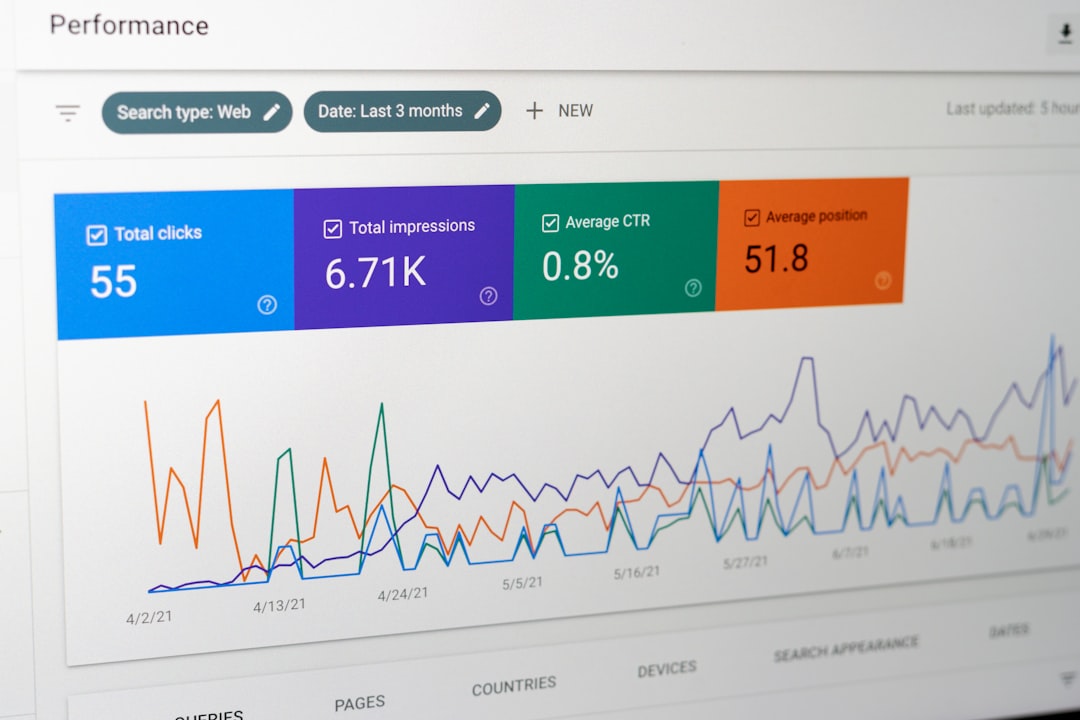
Sample answer: SEO success can be measured through organic traffic, keyword rankings, impressions, click-through rate, conversions, revenue, backlinks, indexed pages, engagement metrics, and technical health improvements. A strong answer should mention that rankings alone are not enough. The best SEO reports connect organic performance to business outcomes such as leads, sales, sign-ups, or qualified traffic.
6. What tools are commonly used in SEO marketing?
Sample answer: Common SEO tools include Google Search Console, Google Analytics, keyword research platforms, crawling tools, rank trackers, backlink analysis tools, and page speed testing tools. The exact tool matters less than the candidate’s ability to interpret the data. Interviewers usually appreciate candidates who can explain how they used tools to find insights and take action.

7. What is a technical SEO audit?
Sample answer: A technical SEO audit evaluates whether a website can be efficiently crawled, indexed, and understood by search engines. It may include checking robots.txt, XML sitemaps, canonical tags, redirect chains, broken links, duplicate content, mobile usability, site speed, structured data, and indexation issues. A strong candidate should explain how audit findings are prioritized based on potential impact and implementation effort.
8. How does link building help SEO?
Sample answer: Link building helps improve authority and trust when reputable websites link to a page. Search engines can treat quality backlinks as signals that content is useful or credible. However, the candidate should emphasize quality over quantity. Ethical strategies include digital PR, original research, expert content, partnerships, and creating resources people naturally want to reference.
9. What is the difference between white hat and black hat SEO?
Sample answer: White hat SEO follows search engine guidelines and focuses on long-term value, useful content, technical quality, and ethical promotion. Black hat SEO uses manipulative tactics such as keyword stuffing, cloaking, spammy links, hidden text, or automated content schemes. A good candidate should explain that black hat tactics may create short-term gains but can lead to penalties, traffic loss, and brand damage.
10. How should SEO and content marketing work together?
Sample answer: SEO and content marketing should be closely connected. SEO identifies audience demand, search intent, keyword opportunities, and technical requirements. Content marketing turns those insights into helpful articles, landing pages, guides, videos, and resources. When both functions work together, content is more likely to reach the right audience, satisfy user needs, earn links, and support conversions.
Behavioral SEO Interview Questions
In addition to technical questions, interviewers often ask behavioral questions to understand how a candidate works with teams and handles challenges. Good answers usually follow a clear structure, such as explaining the situation, action, and result.
- “Describe a time organic traffic dropped.” A strong answer should mention investigation steps, such as checking algorithm updates, technical changes, tracking issues, lost rankings, indexing problems, or seasonality.
- “How does the candidate prioritize SEO tasks?” The answer should refer to impact, urgency, resources, technical complexity, and business value.
- “How does the candidate explain SEO to non-technical stakeholders?” The best response should focus on simple language, visual reports, business metrics, and practical recommendations.
Advanced SEO Marketing Questions
Senior-level candidates may face questions about complex strategy and leadership. These questions often test whether the candidate can manage uncertainty and create scalable processes.
- How would an SEO strategy be built for a new website? The answer should include market research, technical foundations, keyword mapping, content planning, analytics setup, and authority building.
- How should duplicate content be handled? The response may include canonical tags, redirects, content consolidation, parameter handling, and clearer site architecture.
- How does AI affect SEO? A balanced answer should mention changing search behavior, content quality expectations, the importance of expertise, and the need to create genuinely useful resources.

Tips for Answering SEO Interview Questions
Candidates can strengthen their answers by being specific. Instead of saying that they improved traffic, they should mention the percentage increase, the time period, and the actions taken. For example, an answer might explain that organic traffic grew after fixing indexation issues, improving internal links, and updating outdated content.
It is also useful to acknowledge trade-offs. SEO often requires prioritization because technical resources, content budgets, and timelines are limited. A candidate who can explain why one task should happen before another often appears more experienced and strategic.
Finally, candidates should stay current. Search engines change frequently, and interviewers may ask about recent algorithm updates, helpful content, Core Web Vitals, structured data, or AI-driven search experiences. A strong candidate does not need to know every detail, but should show curiosity and adaptability.
FAQ
- What should a candidate study before an SEO marketing interview?
They should review technical SEO basics, keyword research, analytics, content strategy, link building, and examples from past projects. - Are SEO interviews technical?
Some are technical, especially for specialist roles. Others focus more on strategy, reporting, content, and marketing results. - What makes a strong SEO interview answer?
A strong answer explains the process, gives a real example, includes measurable results, and connects SEO work to business goals. - Should candidates mention specific SEO tools?
Yes, but they should focus on how tools were used to make decisions rather than simply listing tool names. - How can beginners answer SEO interview questions?
Beginners can discuss coursework, personal websites, internships, audits, practice projects, and a clear understanding of SEO fundamentals.