Organic search growth rarely happens in a straight line. Rankings fluctuate, search demand changes, competitors publish new content, and technical issues can shift performance overnight. That is why many SEO teams use SEO forecasting software to estimate future traffic, clicks, conversions, and revenue before investing months into a strategy.
TLDR: SEO forecasting software helps teams predict organic growth using keyword data, historical traffic, rankings, click-through rates, and competitive trends. The best tools combine reliable data with flexible modeling, so marketers can estimate traffic, leads, and revenue more confidently. Platforms such as Semrush, Ahrefs, seoClarity, BrightEdge, SE Ranking, and Google Looker Studio are commonly used for forecasting. No forecast is perfect, but the right software makes SEO planning more measurable and easier to explain to stakeholders.
What Is SEO Forecasting Software?
SEO forecasting software is a tool or platform that estimates future organic search performance. It usually analyzes historical search data, keyword rankings, search volume, click-through rates, seasonality, and sometimes conversion data. The goal is to answer questions such as: how much traffic could a website gain from ranking improvements, how long growth may take, and what business value SEO could generate.
In practice, SEO forecasting can support content planning, budget approval, hiring decisions, and campaign prioritization. Instead of saying that a content strategy “should increase traffic,” a team can estimate that a specific keyword group may produce a certain number of visits or leads over six to twelve months.
Why SEO Forecasting Matters
Businesses often struggle to measure SEO before results appear. Paid advertising has direct spend and immediate feedback, while organic growth requires patience. Forecasting helps close that gap by turning SEO strategy into a measurable business case.
- Budget justification: Forecasts help decision-makers understand possible returns before approving new SEO investments.
- Goal setting: Teams can set realistic traffic, keyword, and conversion targets.
- Prioritization: Forecasting reveals which keyword clusters or pages may deliver the most impact.
- Revenue planning: When connected to conversion rates and order values, forecasts can estimate commercial value.
- Risk management: Scenario planning helps teams understand best-case, expected, and conservative outcomes.
Key Features to Look For
The best SEO forecasting tools do more than display keyword volume. They help users connect search opportunity with real performance data. A strong platform should include the following features:
- Historical data analysis: The tool should examine past traffic, rankings, and seasonality.
- Keyword opportunity modeling: It should estimate traffic gains from ranking improvements.
- Competitor insights: Competitive visibility can show what growth may be realistic.
- CTR modeling: Forecasts should account for how click-through rate changes by ranking position.
- Scenario planning: Users should be able to compare conservative, moderate, and aggressive forecasts.
- Reporting integrations: Connection with Google Analytics, Google Search Console, or dashboards improves accuracy.
Best SEO Forecasting Software and Tools
1. Semrush
Semrush is widely used for keyword research, competitor analysis, rank tracking, and traffic estimation. While it is not only a forecasting platform, its keyword database and competitive visibility tools make it useful for predicting organic growth. SEO teams can evaluate keyword clusters, estimate ranking potential, and compare a site against competitors in the same market.
Semrush is especially helpful for agencies and in-house teams that need a broad view of search demand. Its reporting features also make it easier to communicate projected growth to clients or executives.
2. Ahrefs
Ahrefs is another strong option for SEO forecasting because of its backlink data, keyword metrics, and content research tools. It allows teams to estimate how difficult it may be to rank for specific topics and to identify pages that already attract organic traffic in competing domains.
Ahrefs is particularly useful for forecasting content-led growth. By examining top-performing competitor pages, marketers can estimate the potential traffic available within a niche and decide which topics deserve investment.

3. seoClarity
seoClarity is an enterprise SEO platform built for large websites and complex search programs. It provides advanced rank tracking, search visibility analysis, content optimization, and reporting. For forecasting, its value comes from combining large-scale keyword tracking with performance trends and opportunity analysis.
Large organizations often need forecasts across thousands or millions of keywords. seoClarity is well suited for that environment because it helps teams identify growth opportunities at scale and connect them to broader SEO initiatives.
4. BrightEdge
BrightEdge is an enterprise SEO and content performance platform that offers forecasting, competitive analysis, and revenue-focused reporting. It is often used by larger brands that need to connect SEO activity with business results.
Its forecasting capabilities are useful when stakeholders want to understand not just traffic growth, but potential revenue impact. BrightEdge can help teams prioritize strategic content and technical improvements based on estimated value.
5. Conductor
Conductor focuses on organic marketing intelligence, content strategy, and search visibility. It helps teams discover customer demand, track rankings, and evaluate competitive opportunities. For forecasting, Conductor is useful when SEO planning is closely tied to content operations.
Organizations that publish at scale can use Conductor to identify topic opportunities, measure performance trends, and build more informed content roadmaps.
6. SE Ranking
SE Ranking is a more accessible SEO platform for small businesses, freelancers, and agencies. It includes rank tracking, keyword research, website audits, competitor analysis, and reporting. While it may not offer the same level of enterprise forecasting as larger platforms, it provides enough data to support practical growth estimates.
SE Ranking is a good fit for teams that want an affordable tool to monitor keyword movement, estimate traffic potential, and report progress over time.
7. AccuRanker
AccuRanker is known for fast and accurate rank tracking. Forecasting depends heavily on ranking data, so a dedicated rank tracker can be valuable for teams that build their own models. Users can monitor keyword groups, search engine result page features, locations, and share of voice.
AccuRanker works well when combined with Google Search Console, analytics tools, and spreadsheet-based forecasting models.
8. Google Looker Studio and Spreadsheets
Google Looker Studio, Google Sheets, and similar spreadsheet tools are often used to build custom SEO forecasts. These tools are not SEO platforms by themselves, but they are flexible and can combine data from Google Search Console, Google Analytics, rank trackers, and keyword tools.
This approach is ideal for teams that want full control over assumptions, such as expected ranking improvements, click-through rates, conversion rates, and seasonality. However, it requires more manual setup and analytical skill.
How SEO Forecasting Usually Works
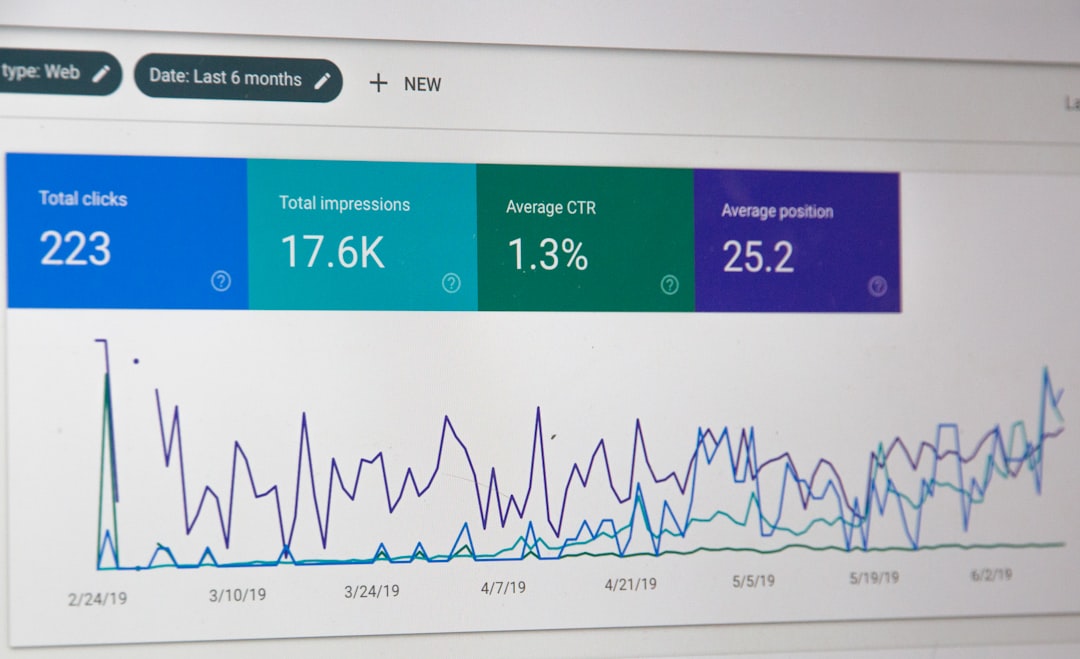
Most SEO forecasts begin with a baseline. The software reviews current organic traffic, keyword rankings, click-through rates, and historical trends. Then it estimates how performance might change if rankings improve, new content is published, or technical issues are fixed.
A common model may include projected impressions, estimated average ranking positions, expected click-through rates, conversion rates, and average revenue per conversion. More advanced models also account for seasonality, brand growth, algorithm volatility, and competitor movement.
The most reliable forecasts usually present multiple scenarios. A conservative scenario may assume modest ranking gains, while an aggressive scenario may assume faster content performance and stronger authority growth. This range is often more useful than a single fixed number.
Limitations of SEO Forecasting
Even the best SEO forecasting software cannot guarantee results. Search algorithms change, competitors react, and keyword data is never perfectly accurate. Forecasts should be treated as guided estimates, not promises.
Another limitation is data quality. A forecast based on incomplete tracking, incorrect conversion data, or unrealistic ranking assumptions can mislead decision-makers. For that reason, strong SEO teams regularly update their forecasts and compare projections against actual performance.
Choosing the Right Tool
The best tool depends on the size of the website, the maturity of the SEO program, and the level of reporting required. Small teams may prefer SE Ranking, Ahrefs, or Semrush because they balance functionality and usability. Enterprise organizations may choose seoClarity, BrightEdge, or Conductor for deeper reporting and scale.
When selecting software, teams should consider whether the platform can connect SEO performance to business outcomes. Traffic forecasts are useful, but forecasts that include leads, sales, or revenue are far more persuasive.
Conclusion
SEO forecasting software gives marketers a clearer way to predict and explain organic growth. Tools such as Semrush, Ahrefs, seoClarity, BrightEdge, Conductor, SE Ranking, AccuRanker, and Looker Studio each support forecasting in different ways. The strongest choice depends on whether a team needs enterprise-scale planning, content opportunity analysis, rank tracking, or custom financial modeling.
Ultimately, forecasting works best when it combines data, realistic assumptions, and regular updates. It will not remove uncertainty from SEO, but it can make organic growth planning more strategic, measurable, and credible.
FAQ
What is SEO forecasting software?
SEO forecasting software estimates future organic search performance using data such as rankings, traffic, keyword volume, click-through rates, and conversions.
Is SEO forecasting accurate?
It can be directionally accurate, but it is not exact. Forecasts are estimates and should be updated as rankings, traffic, and market conditions change.
Which SEO forecasting tool is best for small businesses?
Small businesses often benefit from tools such as Semrush, Ahrefs, or SE Ranking because they offer useful keyword, competitor, and ranking data without requiring enterprise-level complexity.
Which tools are best for enterprise SEO forecasting?
Enterprise teams commonly use platforms such as seoClarity, BrightEdge, and Conductor because they support large keyword sets, advanced reporting, and organization-wide SEO planning.
Can Google Sheets be used for SEO forecasting?
Yes. Google Sheets can be used to build custom forecasts, especially when combined with data from Google Search Console, Google Analytics, and rank tracking tools.