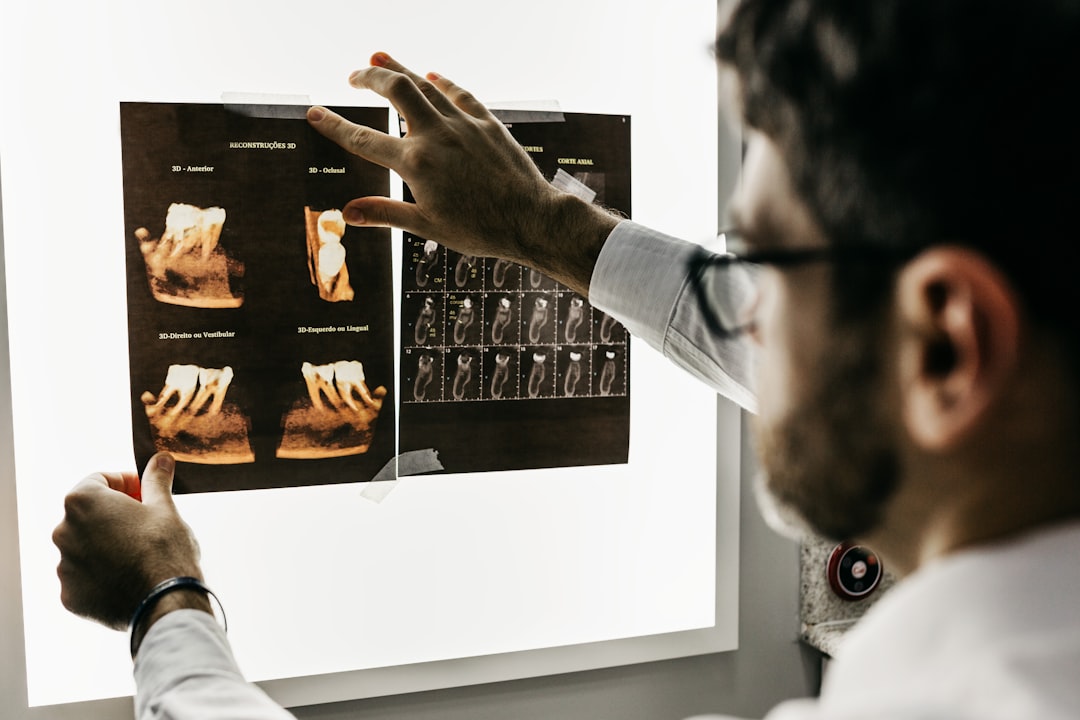
Dental software is no longer just a digital appointment book. For many practices, it is the central nervous system for clinical records, imaging, treatment planning, insurance, billing, patient communication, and multi-location oversight. Patterson Fuse is Patterson Dental’s cloud-based practice management platform, and its appeal lies in combining everyday administrative workflows with clinical visibility, including dental imaging access and integration options.
TLDR: Patterson Fuse is best suited for dental practices that want cloud-based practice management with stronger connectivity between scheduling, charting, imaging, and business reporting. For example, a two-location practice could use Fuse to view schedules, patient records, and clinical images from either office without relying on a local server at each site. If your team spends 10–15 minutes per patient switching between imaging software, charts, and treatment plans, a more integrated workflow may noticeably reduce friction. The main consideration is confirming that your current sensors, panoramic systems, and imaging workflow are fully compatible before switching.
What Is Patterson Fuse?
Patterson Fuse is a cloud-based dental practice management system designed to help offices manage clinical and administrative tasks from a browser-based environment. Unlike traditional server-based platforms, Fuse reduces dependence on in-office hardware and allows authorized users to access practice data from supported devices with an internet connection.
For dental teams, this matters because the modern patient visit is rarely linear. A hygienist may need to capture images, a dentist may review radiographs chairside, the treatment coordinator may prepare a presentation, and the front desk may verify benefits or estimate patient responsibility. Fuse aims to bring these moving parts closer together.
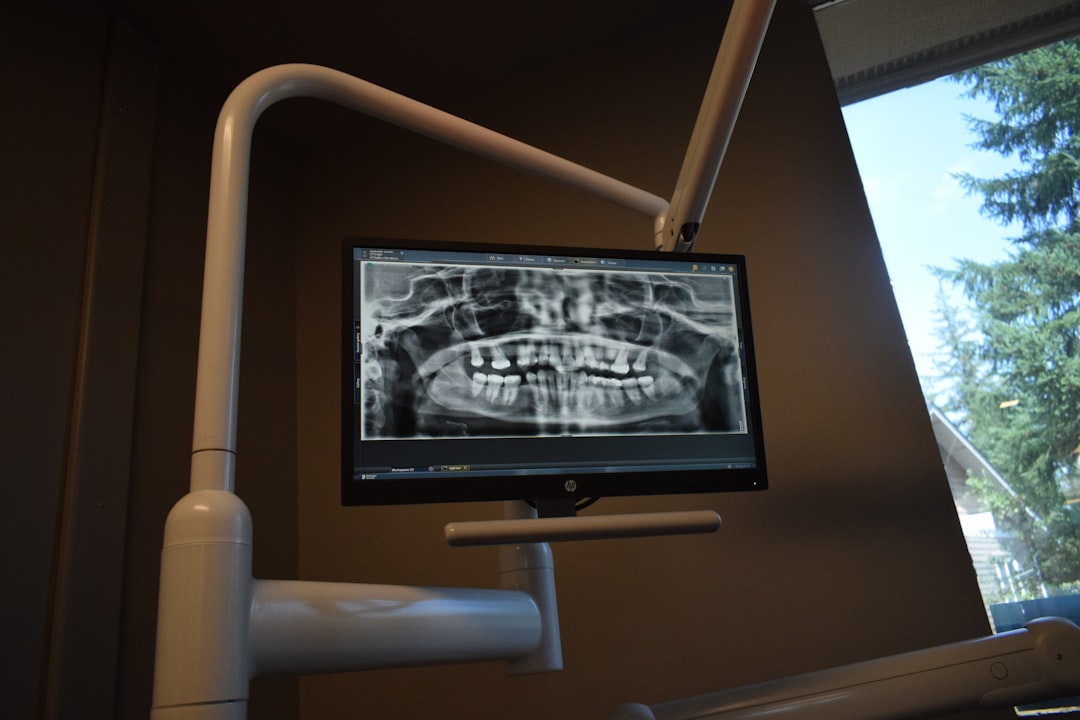
Dental Imaging Features: What to Expect
Imaging is one of the most important areas to evaluate in any dental software review. A practice management platform can have excellent scheduling and billing tools, but if image access is clunky, clinical workflows suffer. Patterson Fuse supports imaging-centered workflows by connecting patient records with clinical visual information, helping the team review images within the broader context of treatment history, charting, and planning.
Key imaging-related advantages include:
- Patient-centered image access: Images can be associated with the patient record, helping clinicians avoid searching through separate folders or unrelated software windows.
- Clinical workflow support: Radiographs and other images can be reviewed alongside chart notes, perio data, treatment plans, and restorative history.
- Cloud accessibility: Authorized users may access information from different operatories or locations, depending on configuration and permissions.
- Reduced server burden: Because Fuse is cloud-based, practices may reduce reliance on maintaining a large local infrastructure for practice management data.
- Integration potential: Fuse is designed to work within Patterson’s dental ecosystem, which may be attractive to offices already using Patterson-supported technology.
That said, imaging compatibility should never be assumed. Practices should ask specifically about their intraoral sensors, phosphor plate scanners, panoramic units, CBCT devices, intraoral cameras, and any DICOM requirements. If an office uses multiple imaging devices from different manufacturers, a compatibility review is essential before implementation.
How Imaging Fits Into the Clinical Visit
A strong dental imaging workflow should feel almost invisible. The assistant captures bitewings, the hygienist reviews bone levels, the dentist confirms the diagnosis, and the treatment coordinator can later reference the same clinical evidence when explaining recommended care. Fuse’s value is not merely in “having images,” but in keeping those images connected to the patient’s record and practice management activity.
For example, consider a patient due for a crown on tooth #30. The dentist can review the radiograph, chart existing restorations, create a treatment plan, and allow the administrative team to estimate insurance benefits. When imaging, charting, and financial presentation are closer together, patients often experience a clearer and more confident consultation.
Practice Management Integration
Where Patterson Fuse becomes most interesting is in the connection between clinical information and front-office operations. Dental practices do not run on images alone; they run on schedules, claims, billing, documentation, reports, reminders, and team coordination. Fuse is designed to support these daily functions in a unified cloud platform.
Notable practice management features include:
- Scheduling: Appointment management tools help teams view provider availability, coordinate operatories, and reduce scheduling confusion.
- Patient records: Clinical notes, medical history, treatment plans, and account details can be managed in one environment.
- Billing and insurance: Fuse supports financial workflows such as claims, ledgers, estimates, and patient balances.
- Reporting: Practice leaders can use reports to monitor production, collections, appointments, and operational trends.
- Multi-location support: Cloud access is especially helpful for groups that need centralized oversight across multiple offices.

Benefits for Multi-Location Practices
One of the strongest arguments for a cloud-based dental platform is scalability. A single-location office may appreciate reduced server maintenance, but a multi-location practice may gain even more. With Fuse, owners, managers, and clinical leaders can access information across locations without physically being in each office.
This can be useful for tracking production by provider, comparing hygiene reappointment rates, reviewing patient flow, or helping a patient who visits more than one location. If a patient has an emergency near a different branch, the clinical team can access relevant records more efficiently than with disconnected local systems.
For dental service organizations and growing group practices, this centralized access can improve consistency. Standardized charting, treatment planning, billing processes, and reporting can help reduce variation between offices.
User Experience and Learning Curve
Patterson Fuse has a modern, browser-based feel compared with many older dental software systems. For teams accustomed to traditional desktop platforms, the transition may require training, especially around navigation, permissions, and new workflows. However, once users understand the layout, cloud access and integrated information can feel more flexible than server-based software.
The learning curve depends heavily on the practice’s previous system. A team moving from a long-established platform may need time to rebuild habits. Front desk users may focus on scheduling and billing changes, while clinical users may need specific training on charting and imaging workflows. The best implementations usually include role-based training rather than a single generic session for everyone.
Strengths of Patterson Fuse
- Cloud-based convenience: Access from supported locations without relying entirely on in-office servers.
- Integrated patient view: Clinical and administrative data are easier to connect during patient care.
- Useful for growing practices: Multi-location visibility can help owners and managers make better decisions.
- Patterson ecosystem support: Practices already working with Patterson Dental may appreciate vendor familiarity.
- Reduced IT complexity: Cloud software can simplify updates, backups, and hardware management compared with traditional systems.
Potential Limitations
No dental software is perfect, and Fuse is no exception. The most important limitation to investigate is imaging compatibility. A practice that relies on specific sensors or advanced imaging devices should request a detailed integration assessment before signing a contract.
Other considerations include internet dependency, subscription costs, data migration, and staff adjustment. Because Fuse is cloud-based, reliable internet is essential. Practices should consider backup connectivity, such as a secondary internet line or mobile hotspot plan, especially if downtime would disrupt patient care.
Data migration also deserves attention. Moving years of patient records, images, notes, treatment plans, and financial data can be complex. Before switching, practices should ask what data will migrate, what may remain archived, and how historical imaging will be accessed after go-live.
Who Is Patterson Fuse Best For?
Patterson Fuse is a strong fit for practices that want a modern cloud-based platform and value connectivity between clinical care and business operations. It is especially appealing for:
- Multi-location dental groups needing centralized access
- Practices looking to reduce local server maintenance
- Offices already using Patterson-supported equipment or services
- Teams that want integrated scheduling, charting, billing, and reporting
- Growth-minded practices that need scalable management tools
It may be less ideal for offices with highly specialized imaging setups unless compatibility is confirmed. Practices with limited or unreliable internet should also carefully evaluate infrastructure before moving to any cloud-based system.

Final Verdict
Patterson Fuse is a compelling option for dental practices ready to modernize their practice management environment while keeping clinical visibility at the center of the workflow. Its cloud-based structure, multi-location accessibility, and integration-focused design make it more than a simple administrative tool.
The biggest advantage is the way Fuse can connect the business and clinical sides of dentistry. When imaging, charting, scheduling, treatment planning, billing, and reporting work together, the practice can operate with fewer interruptions and better information flow.
Before choosing Fuse, however, practices should perform a detailed workflow review. Confirm imaging device compatibility, evaluate internet reliability, understand migration details, and involve both clinical and administrative team members in the decision. For the right practice, Patterson Fuse can be a practical step toward a more connected, cloud-based dental operation.