Look around you. You may see a pet, a plant, a chair, a phone, or a shiny rock. Some of these things are living. Some are non-living. The trick is knowing what makes living things special. Let’s explore it in a fun and simple way.
TLDR: Living things are alive. They need food, water, air, and energy. They grow, breathe, respond, reproduce, and get rid of waste. Non-living things do not do these life activities on their own.
What Are Living Things?
Living things are things that have life. They can do certain life activities. A cat can run and eat. A tree can grow. A bird can fly. Even tiny bacteria are living things, though we need a microscope to see them.
Living things are also called organisms. That sounds like a big science word, but it simply means “a living thing.”
Examples of living things include:
- Animals, like dogs, fish, frogs, and elephants.
- Plants, like grass, roses, trees, and cactus.
- Fungi, like mushrooms and mold.
- Microorganisms, like bacteria and some tiny algae.

What Are Non-Living Things?
Non-living things do not have life. They do not grow by themselves. They do not need food. They do not breathe. They cannot have babies. They may move, but only if something else moves them.
A toy car can roll. But it does not move by itself. A clock can tick. But it is not alive. A phone can make sounds. But it does not breathe, eat, or grow.
Examples of non-living things include:
- Rocks
- Water
- Air
- Books
- Tables
- Cars
- Toys
- Machines
Key Difference 1: Living Things Need Food and Energy
Living things need energy to stay alive. Animals get energy by eating food. A rabbit eats grass. A lion eats meat. A bird eats seeds, worms, or fruit.
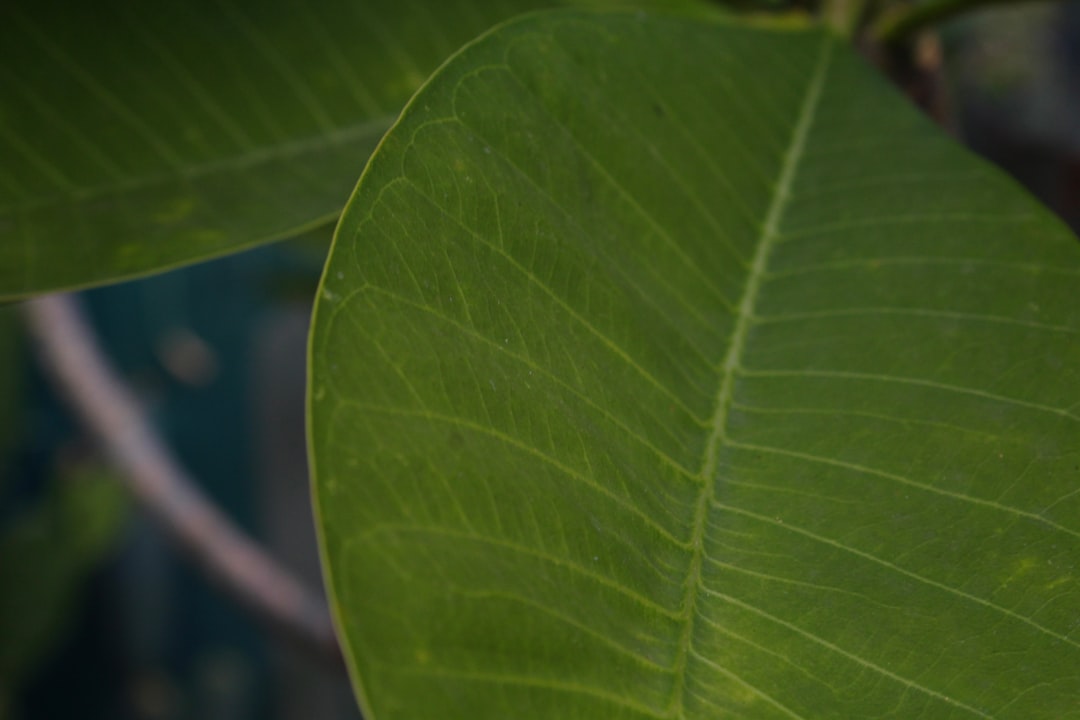
Plants are a little different. They make their own food. They use sunlight, water, and air. This process is called photosynthesis. It is like a tiny kitchen inside the leaves.
Non-living things do not need food. A pencil does not get hungry. A rock does not ask for lunch. A bike does not need a sandwich. It may need oil or repair, but that is not the same as food for life.
Key Difference 2: Living Things Grow and Change
Living things grow. A baby grows into an adult. A puppy becomes a dog. A seed grows into a plant. This growth happens from inside the living thing.
Non-living things can change in size, but not by growing. A snowball gets bigger when you roll it in snow. But it is not growing like a puppy. Someone or something is adding more snow to it.
A crystal can also get bigger over time. But it does not use food or cells to grow like living things do. It is still non-living.
Key Difference 3: Living Things Breathe or Exchange Gases
Most animals breathe oxygen. Humans breathe air into their lungs. Fish take oxygen from water using gills. Worms can take in oxygen through their skin.
Plants also exchange gases. They take in carbon dioxide. They release oxygen during photosynthesis. At night, many plants use oxygen too.
Non-living things do not breathe. A balloon can fill with air, but it is not breathing. A fan can blow air, but it is not alive. It only moves air around.
Key Difference 4: Living Things Respond to Their Environment
Living things react to the world around them. If you touch a hot pan, you pull your hand away. If a dog hears a treat bag, it may run to the kitchen. If a plant gets sunlight from one side, it may bend toward the light.
This is called a response. It helps living things survive.
Non-living things do not respond by themselves. A doorbell rings when someone pushes it. A lamp turns on when a switch is pressed. But the doorbell and lamp are not choosing to respond. They are just built to work that way.
Key Difference 5: Living Things Reproduce
Living things can make more living things like themselves. Cats have kittens. Birds lay eggs. Trees make seeds. Bacteria divide into more bacteria.
This is called reproduction. It helps life continue.
Non-living things cannot reproduce. A chair cannot make a baby chair. A spoon cannot make a new spoon. A factory can make spoons, but the spoon itself is not doing it.
Key Difference 6: Living Things Get Rid of Waste
Living things make waste. They must remove it from their bodies. Humans sweat, breathe out carbon dioxide, and use the bathroom. Animals do similar things. Plants release extra gases and other waste through their leaves and roots.
This process is called excretion. It keeps the body clean and healthy.
Non-living things do not make body waste. A computer can get hot. A car can give off smoke. But that is not the same as a living body removing waste to stay alive.
Key Difference 7: Living Things Are Made of Cells
All living things are made of cells. Cells are tiny building blocks of life. Your body has trillions of them. A plant has many cells too. Some living things, like bacteria, have only one cell.
Cells do important jobs. They help living things grow, repair, use energy, and stay alive.
Non-living things are not made of cells. A rock is made of minerals. A glass is made of materials like sand and chemicals. A teddy bear is made of fabric and stuffing. Cute? Yes. Alive? No.

A Simple Checklist
Want to know if something is living? Ask these questions:
- Does it need food or make its own food?
- Does it grow from inside?
- Does it breathe or exchange gases?
- Does it respond to its surroundings?
- Can it reproduce?
- Does it get rid of waste?
- Is it made of cells?
If the answer is “yes” to these life processes, it is likely a living thing. If the answer is “no,” it is probably non-living.
What About Things That Seem Alive?
Some non-living things can trick us. A robot can walk. A car can move fast. A video game character can jump. A voice assistant can answer questions. But these things are not alive.
Why not? Because they do not carry out all life processes. They do not grow from cells. They do not reproduce on their own. They do not need food like living things do. They need batteries, electricity, fuel, or programming.
Fire is another tricky example. Fire can grow. It needs oxygen. It can spread. But fire is not alive. It is not made of cells. It does not reproduce like an organism. It is a chemical reaction.
What About Dead Things?
A dead leaf, a fallen tree branch, or a bone came from something that was once living. But it is no longer alive. So scientists may call it dead or once-living.
This is different from something that was never alive, like a rock or a spoon. A wooden chair came from a tree, so it was made from once-living material. But the chair itself is not alive.
Quick Examples
- Living: A sunflower. It grows, needs water, responds to light, and makes seeds.
- Living: A fish. It breathes through gills, eats, grows, and reproduces.
- Non-living: A rock. It does not eat, breathe, or reproduce.
- Non-living: A bicycle. It can move, but only when someone rides it.
- Once-living: A dry leaf. It came from a living plant, but it is not alive now.
Final Thought
The world is full of amazing living and non-living things. Living things are busy. They grow, eat, breathe, react, reproduce, and use cells. Non-living things may still be useful, beautiful, or fun. But they do not have life.
So next time you see a worm, a rock, a robot, and a rose, try the life checklist. You will feel like a science detective. And yes, the rose is alive. The rock is not. The robot is still just showing off.