
Pick HubSpot if your hospitality email list must turn strangers into booked tours, event inquiries, vendor demos, or group reservations. Pick Mailchimp if you mostly need clean email campaigns, simple forms, and friendly pricing.
TLDR: Mailchimp is great for sending pretty emails to guests, planners, travel agents, or restaurant fans. HubSpot is better when you need full lead tracking, sales follow-up, landing pages, and CRM notes in one place. For example, a 120-room boutique hotel with 3,000 contacts might use Mailchimp to lift repeat bookings by 12%, while HubSpot could help its sales team cut inquiry follow-up time from 2 days to 4 hours. If lead generation is the main goal, HubSpot usually wins.
What is a hospitality email list?
A hospitality email list is a contact list for people tied to travel, lodging, food, events, and guest services.
That can include:
- Past hotel guests
- Restaurant diners
- Event planners
- Wedding leads
- Travel agents
- Corporate booking contacts
- Tour operators
- Venue rental prospects
The list is not just a pile of email addresses. Please do not treat it like one. That is how spam complaints happen. A good list includes permission, interest, and context.
For example, “Sarah opened the wedding package email and clicked ballroom pricing” is useful. “Sarah exists somewhere on the internet” is not.

Mailchimp in plain English
Mailchimp is the friendly email tool at the party. It is colorful. It is easy to start. It is good for newsletters, offers, and simple guest journeys.
Use Mailchimp when you want to send:
- Weekend room deals
- Spa discount emails
- Restaurant birthday offers
- Seasonal event invites
- Post-stay thank-you emails
- Simple abandoned booking reminders
Mailchimp is strong when your needs are clear. Build a list. Split it into groups. Send nice emails. Check opens and clicks. Repeat.
Honestly, it feels like Mailchimp was built for marketers who want to move fast without calling IT. That is a big win for small hotels, B&Bs, local restaurants, and tour brands.
Where Mailchimp gets annoying
Mailchimp can feel cramped when lead generation gets serious.
Its CRM features are light. Sales tracking is basic. If a corporate planner asks for a 3-day retreat quote, you may still need another tool to manage the deal.
Segments can also get click-heavy. Making one filter is fine. Making ten filters for guests, planners, VIP diners, and lost leads can feel like folding tiny napkins with oven mitts on.
Mailchimp is best when the sale is simple. It is less fun when five people must follow up on one lead.
HubSpot in plain English
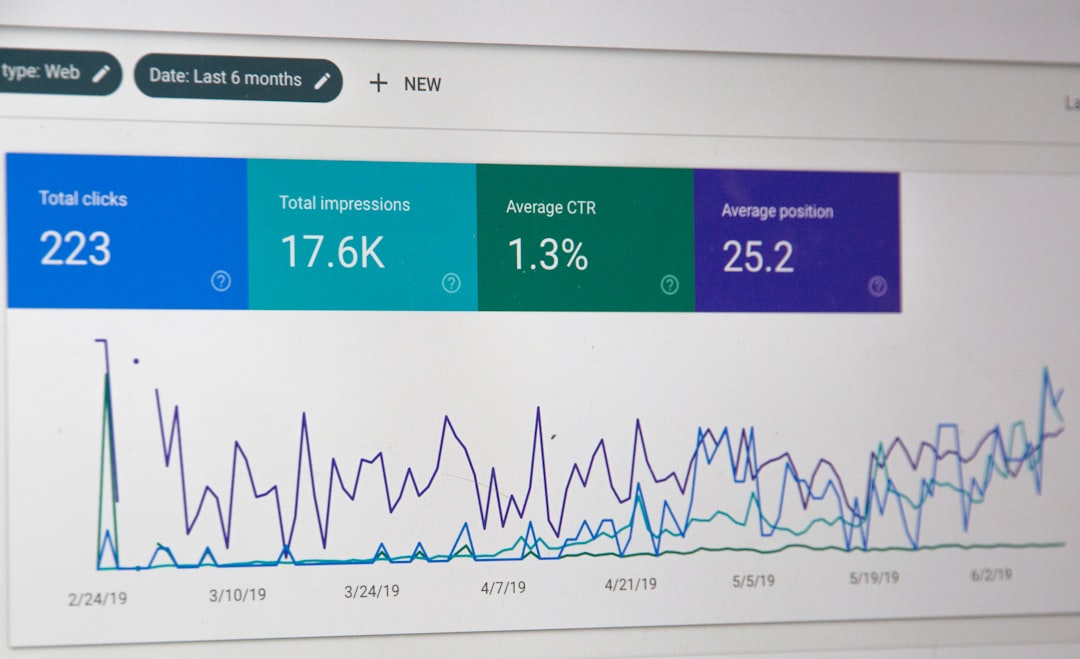
HubSpot is the bigger machine. It includes email marketing, forms, landing pages, lead scoring, CRM, pipelines, tasks, and sales notes.
That matters for hospitality lead generation.
Why? Because a hospitality lead is often not ready to buy right now. A wedding couple may compare venues for six weeks. A company may need three quotes. A travel agent may ask for net rates before sending clients.
HubSpot keeps that whole trail in one place.
You can see:
- Which page a lead viewed
- Which email they opened
- Which form they filled out
- Which salesperson owns the lead
- Which deal stage they are in
- What task should happen next
That is where HubSpot shines. It connects marketing and sales. No more “Who replied to this person?” drama in the team chat.
Where HubSpot gets annoying
HubSpot can be a lot. The menus are clean, but there are many of them. Expect to spend time setting it up properly.
The pricing can also jump. A small inn may start happy, then panic when contact volume grows or paid features become needed.
The catch is simple. HubSpot is powerful. But power needs setup. Bad setup creates messy reports, duplicate contacts, and weird automation loops. Nobody wants a guest to get three “Hi Rachel” emails in one hour. Painful.
Lead generation: which tool is better?
For pure hospitality lead generation, HubSpot is usually better.
Here is why. Lead generation is not only email. It includes forms, landing pages, source tracking, sales handoff, follow-up speed, and deal status.
HubSpot handles that whole chain. Mailchimp handles pieces of it.
For example, say a resort wants more corporate retreat bookings. With HubSpot, the resort can create a landing page for “Team Retreat Packages,” add a form, tag leads by company size, score contacts who visit the pricing page, assign hot leads to sales, and track closed revenue.
Mailchimp can send the emails. It can collect form entries. But it will not give the same sales pipeline view without extra tools.
When Mailchimp is the smarter pick
Mailchimp is still a great choice for many hospitality teams.
Choose Mailchimp if:
- Your list is under 10,000 contacts
- Your team is small
- You send 2 to 8 campaigns per month
- You do not need deep sales tracking
- Your main goal is repeat visits
- You want lower cost and faster setup
A local restaurant group may not need HubSpot. It may only need birthday emails, holiday menus, and VIP dinner invites. Mailchimp can do that well.
Same for a small hotel. If the owner wants to send monthly “stay two nights, get breakfast” offers, Mailchimp is simple and friendly.
When HubSpot is the smarter pick
Choose HubSpot if your hospitality sales process has steps.
It is a strong fit for:
- Hotels with group sales teams
- Wedding venues
- Conference centers
- Resorts with packages
- Tour companies with B2B partners
- Hospitality vendors selling to hotels or restaurants
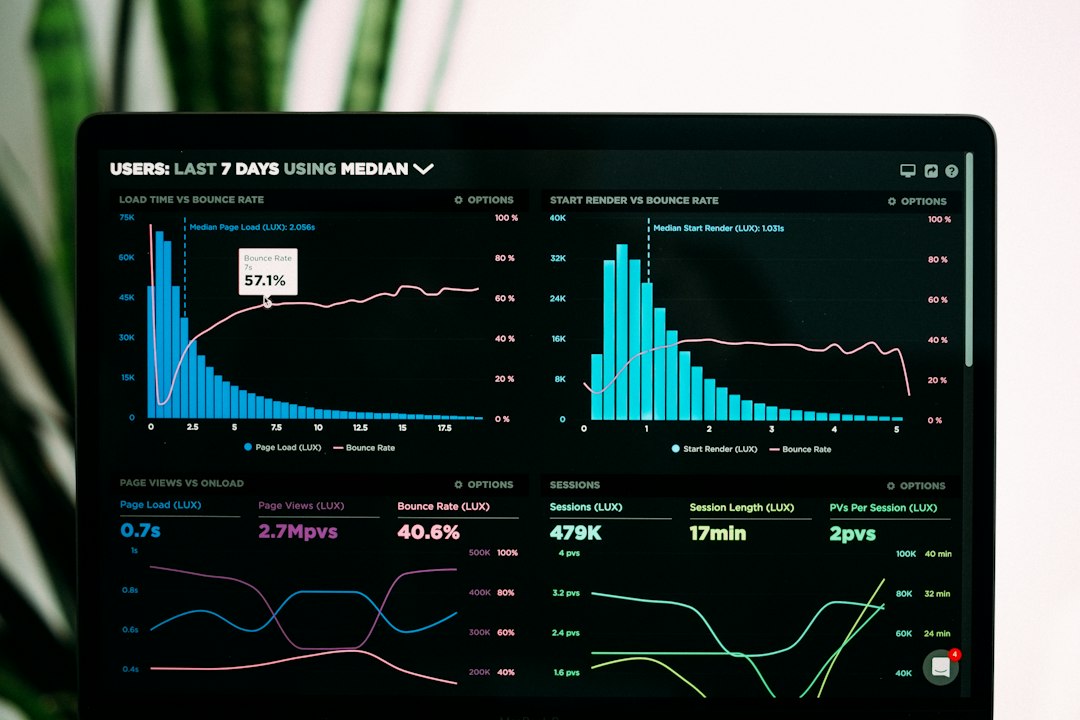
HubSpot is also better if you care about source tracking. You can see if leads came from Google, Facebook, a trade show, a referral partner, or an email campaign.
That helps your budget. If wedding leads from one landing page close at 9%, while trade show leads close at 2%, you can stop guessing.
What about buying a hospitality email list?
Be careful. Buying a random list is risky. It can hurt sender reputation. It can trigger spam complaints. It can also break privacy rules, depending on where your contacts live.
A better plan is to build your list with consent.
Try these list builders:
- Website popups with a real offer
- Wedding brochure downloads
- Restaurant loyalty signups
- Event quote request forms
- Wi-Fi signup forms
- Post-stay survey forms
- Travel agent partner pages
Make the offer useful. “Join our newsletter” is weak. “Get our 2026 wedding pricing guide” is much stronger.
Simple comparison
- Ease of use: Mailchimp wins.
- CRM: HubSpot wins.
- Email design: Mailchimp is often faster.
- Sales tracking: HubSpot wins.
- Cost for basic email: Mailchimp usually wins.
- Lead scoring: HubSpot wins.
- Best for small teams: Mailchimp.
- Best for revenue teams: HubSpot.
Best setup for lead generation
If you choose Mailchimp, keep it tidy. Use clear tags like past guest, wedding lead, restaurant VIP, and corporate planner. Send each group offers that match their intent.
If you choose HubSpot, build a simple pipeline first. Do not overbuild. Start with stages like New Lead, Contacted, Proposal Sent, Won, and Lost. Add automation after the team agrees on the process.
For most hospitality brands, the winning formula is simple. Use sharp offers. Collect clean consent. Segment by interest. Follow up fast. Measure bookings, not just opens.
Final call: Mailchimp is the easy email sender. HubSpot is the lead generation engine. If your goal is guest loyalty, choose Mailchimp. If your goal is more qualified inquiries and better sales follow-up, choose HubSpot.