
The highest engagement office space videos in 2026 will show proof of work culture in motion, not polished rooms waiting for people. Workplace brands need clips that answer one question fast: What does it feel like to work here? The best videos will mix real staff moments, spatial storytelling, smart captions, short-form pacing, and clear business value for hiring, sales, leasing, and internal culture.
TLDR: In 2026, office space videos that perform best will be short, human, vertical-first, and built around everyday workplace behavior. A 45-second “day in the office” video can outperform a glossy five-minute tour if it shows arrival, collaboration, focus zones, lunch, and after-work energy. For example, a workplace brand testing three formats might see a 28% higher completion rate on employee-led walkthroughs than on empty interior reels. The winning formula is simple: real people, clear story, fast edits, captions, and one memorable spatial feature.
1. The “Workday in 60 Seconds” Format
The classic office tour is not dead. It is just too slow. Viewers do not want a receptionist desk, then a hallway, then another hallway. They want rhythm. They want proof that the space helps people get things done.
The strongest concept is the compressed workday. It starts with a person arriving, grabbing coffee, joining a quick meeting, switching to a quiet pod, eating with colleagues, and leaving after a productive day. This structure gives the video a natural beginning, middle, and end.
- Best length: 30 to 75 seconds
- Best platforms: LinkedIn, Instagram Reels, TikTok, YouTube Shorts
- Best hook: “What a hybrid Tuesday looks like at our HQ”
- Best use: employer branding, recruitment, office launch campaigns
2. Employee-Led Walkthroughs Beat Empty Rooms
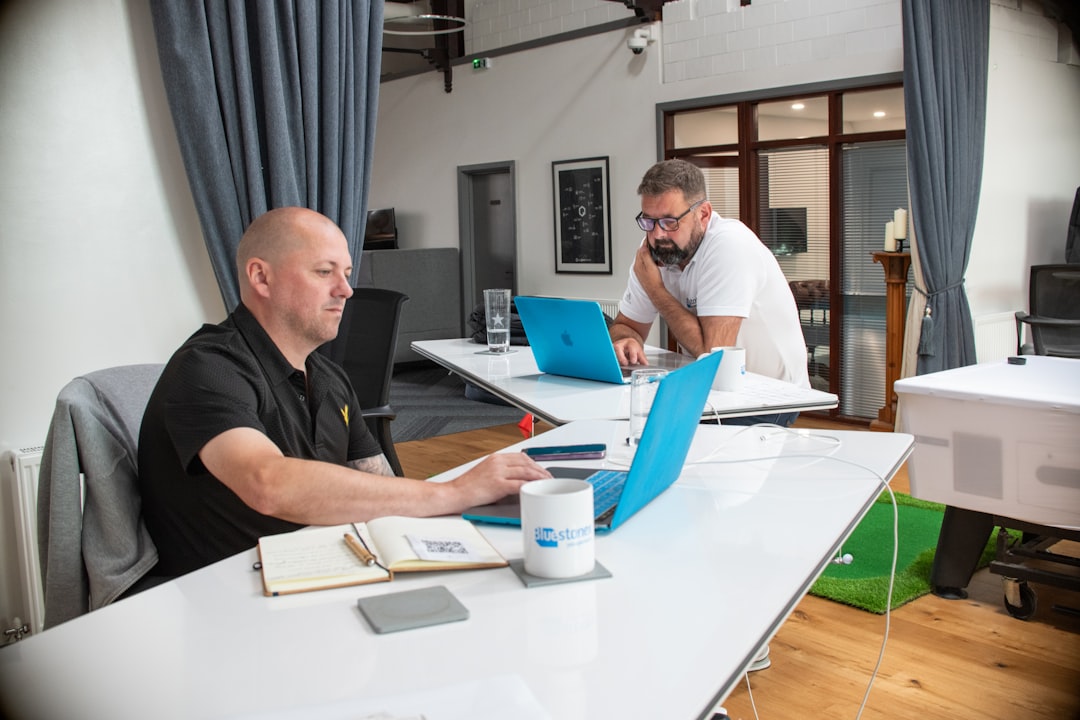
People trust people. That sounds obvious, yet many brands still post slow shots of chairs, plants, lamps, and meeting rooms with no one inside. It drives me crazy that so many office videos make a workplace look like a furniture showroom after closing time.
In 2026, high-engagement workplace videos will use employee hosts. A designer can show the project room. A recruiter can show interview spaces. A software engineer can point out the quiet corners. A facilities lead can explain wellness features. Each person gives the space a reason to exist.
This does not need to feel scripted. In fact, it should not. The strongest clips sound casual. Try prompts like:
- “Show us your favorite spot to focus.”
- “Where do new hires usually meet the team?”
- “What part of this office surprised you?”
- “Where does the best spontaneous work happen?”
These questions turn architecture into lived experience. That is what viewers remember.
3. Micro-Zone Storytelling
Large office videos often fail because they try to show everything. The better trend is micro-zone storytelling. Each video focuses on one area and one purpose.
For example, a brand can create a series around:
- The focus zone: sound control, lighting, privacy, deep work
- The social hub: coffee, casual talks, team lunches
- The project room: whiteboards, screens, material samples, sprint work
- The wellness area: rest, stretching, nursing room, prayer space
- The client suite: hospitality, presentation flow, brand cues
This format gives workplace brands more content from the same shoot. One filming day can produce 10 to 20 short assets instead of one general video that gets posted once and forgotten.
4. Sound-First Office Videos
Office videos used to be mainly visual. In 2026, sound will carry more of the emotion. Think badge taps, espresso machines, marker pens on glass, soft keyboard rhythms, elevator chimes, laughter from a lunch table, and a meeting room door closing before a pitch.
These sounds create presence. They also make videos feel less generic. A great office has an acoustic identity, not just a visual one.
Use sound with care. Loud open-plan noise will not help your brand. Instead, build a controlled audio sequence that suggests energy without chaos. Add captions for silent viewing, but do not treat audio as an afterthought.
5. Before, After, and “Why We Changed It”
Transformation content keeps attention because it creates instant contrast. Workplace brands should use more before and after videos, especially after refurbishments, relocations, or hybrid work updates.
The key is to explain the reason behind the change. Do not just show new carpet and brighter walls. Say what problem was fixed.
- Before: teams struggled to find small meeting rooms
- After: the office added six two-person call rooms
- Result: fewer hallway calls and better meeting privacy
This works well for workplace consultants, interior designers, coworking operators, real estate teams, and HR leaders. It turns design into a business story.
6. Data-Stamped Space Videos
Numbers make office videos more credible. In 2026, expect more videos with simple data overlays. Not heavy reports. Just quick facts that support the story.
Examples include:
- “84% of desks are within 10 meters of natural light.”
- “Meeting room booking conflicts dropped by 31% after the redesign.”
- “The new café zone serves 420 employees across three peak windows.”
- “Average visitor check-in time fell from 4 minutes to 90 seconds.”
These details give viewers something to repeat. They also help senior decision-makers see the office as an operating tool, not a pretty expense.
7. AI-Assisted Editing, With Human Taste
AI will speed up workplace video production in 2026. It can cut silence, suggest captions, resize for social platforms, and pull highlights from long footage. That helps teams publish more often.
The catch is that AI edits can feel oddly flat. Honestly, it feels like some tools save 20 minutes on trimming, then cost 12 minutes fixing awkward caption breaks and strange music choices. Use AI for speed, but keep a human editor in charge of pacing, tone, privacy, and brand fit.
Important checks include:
- Blur sensitive screens and documents.
- Get consent from employees who appear clearly.
- Avoid showing security badges in close-up.
- Check captions for names, roles, and technical terms.
8. Vertical Video for Serious B2B Brands
Some office brands still treat vertical video as too casual. That is a mistake. Decision-makers scroll too. Candidates scroll. Investors scroll. Clients scroll while waiting for flights.
Vertical does not mean sloppy. It means direct. A polished 9:16 video can show scale, people, and atmosphere in seconds. Use strong framing. Keep faces near the upper third. Place captions where interface buttons will not cover them.
For LinkedIn, a strong structure is:
- 0 to 3 seconds: bold claim or visual hook
- 4 to 15 seconds: show people using the space
- 16 to 35 seconds: highlight one key feature
- 36 to 50 seconds: close with result or invitation
9. Culture Clips Without the Cringe
Culture videos can become painful fast. Forced smiles, awkward waving, and staged pizza parties rarely help. The better approach is to film small, honest habits.
Show the product team testing a prototype. Show a quiet mentoring chat. Show a new starter finding their locker. Show two departments sharing a project wall. These moments feel specific, which makes them more believable.
Workplace brands should also avoid pretending every office day is a celebration. A balanced video can show focus, calm, collaboration, and recovery. That feels more mature than constant hype.
10. The Creative Brief That Gets Better Results
A strong office video starts before filming. The brief should name the audience, message, proof points, and cutdowns needed for each channel.
Use this simple planning list:
- Audience: candidates, clients, tenants, investors, employees, or visitors
- Primary message: what the space helps people do
- Hero moment: the one scene viewers should remember
- Proof: data, quotes, usage patterns, or employee reactions
- Formats: vertical, square, widescreen, silent cut, captioned cut
- Call to action: book a tour, apply, visit, lease, join, or share
The winning office space videos of 2026 will not be the most expensive ones. They will be the clearest. They will show how a workplace supports focus, trust, creativity, comfort, and real business outcomes. If the space has a story, film the people who live it every day. That is where the engagement is.