
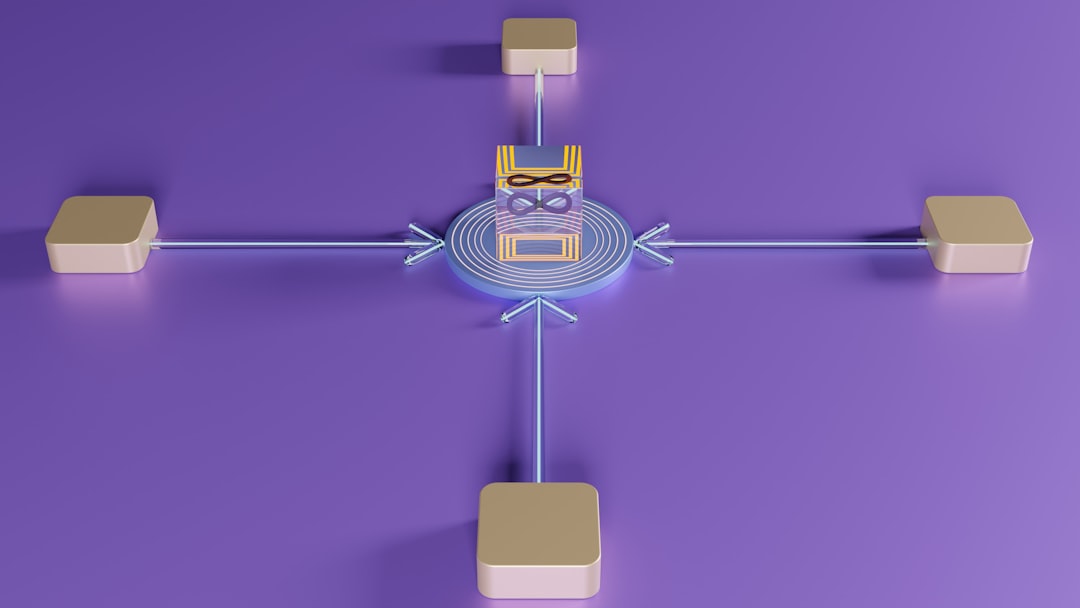
Modern applications are expected to be fast, resilient, and responsive at all times—no matter how many users are online or how much data is flowing through the system. Traditional request-response architectures often struggle under this pressure. That’s where Event-Driven Architecture (EDA) comes in. By designing systems around the production, detection, and reaction to events, organizations can build highly scalable and loosely coupled systems that grow effortlessly with demand.
TLDR: Event-Driven Architecture allows systems to communicate asynchronously using events, improving scalability, flexibility, and resilience. Tools like Apache Pulsar provide distributed messaging, multi-tenancy, and geo-replication to support large-scale event streaming. By decoupling services and enabling real-time data processing, organizations can handle high throughput with minimal bottlenecks. This guide explains how Apache Pulsar and similar tools power modern scalable systems.
What Is Event-Driven Architecture?
At its core, Event-Driven Architecture is a design pattern where services communicate by publishing and subscribing to events. An event is simply a record of something that has happened—such as a user placing an order, a sensor reporting temperature, or a payment being processed.
Instead of tightly coupling services with direct API calls, EDA allows components to communicate asynchronously through an event broker. This approach introduces several powerful advantages:
- Loose coupling – Producers and consumers don’t need to know about each other.
- Scalability – Each service can scale independently.
- Resilience – Failures in one service don’t immediately cascade.
- Real-time responsiveness – Events can be processed as soon as they occur.
Imagine an e-commerce platform. When a customer submits an order, that action generates an event. Separate services can simultaneously respond—inventory updates stock, billing processes payment, shipping prepares labels, and analytics tracks behavior. None of these services need direct integrations with each other.
Why Scalability Demands Event Streaming Tools
As businesses grow, so does the volume of data flowing through their systems. Traditional database-centric architectures become bottlenecked by synchronous communication and tight coupling. Event streaming platforms provide the backbone needed to manage:
- Millions of messages per second
- Distributed systems spanning regions
- High availability requirements
- Massive parallel processing workloads
Without a robust event streaming tool, scaling becomes complex and expensive. This is where technologies like Apache Pulsar shine.
Introducing Apache Pulsar
Apache Pulsar is an open-source, distributed messaging and event streaming platform originally developed at Yahoo. It’s designed for high performance, multi-tenancy, and geo-distributed environments. Unlike traditional messaging queues, Pulsar separates serving and storage layers—an architectural choice that gives it remarkable flexibility and scalability.
Key architectural components include:
- Brokers – Handle incoming messages and dispatch them to consumers.
- BookKeeper (Storage Layer) – Provides durable, distributed storage.
- ZooKeeper (Metadata Management) – Maintains cluster configuration and coordination.
This separation allows storage and compute resources to scale independently, optimizing performance and cost efficiency.
Core Features That Enable Scalability
1. Multi-Tenancy
Pulsar was built with multi-tenant environments in mind. Organizations can isolate workloads across teams or clients within the same cluster. This makes it ideal for SaaS companies that handle multiple customers simultaneously.
2. Geo-Replication
Modern systems often operate across continents. Pulsar’s built-in geo-replication allows data to be replicated seamlessly across regions, ensuring:
- Low-latency user experiences worldwide
- Disaster recovery support
- Compliance with regional data laws
3. Tiered Storage
Not all data needs to stay in high-performance storage. Pulsar supports tiered storage, enabling older messages to move to cost-effective storage systems like cloud object storage while maintaining access.
4. Flexible Messaging Models
Pulsar supports multiple messaging patterns:
- Pub/Sub
- Queue-based messaging
- Event streaming
This flexibility simplifies architectural decisions and reduces the need for multiple tools.
How Apache Pulsar Compares to Other Tools
While Apache Kafka is often mentioned alongside Pulsar, there are notable design differences:
- Architecture: Kafka tightly couples storage and compute; Pulsar separates them.
- Scalability: Pulsar allows independent scaling of brokers and storage.
- Multi-Tenancy: Pulsar provides stronger built-in isolation.
- Queue Support: Pulsar natively supports queue semantics in addition to streaming.
Other tools in the ecosystem include:
- Apache RocketMQ
- RabbitMQ
- NATS
- AWS EventBridge
The best choice depends on your scalability goals, operational complexity tolerance, and cloud strategy. However, Pulsar’s architectural flexibility often makes it appealing for enterprises expecting rapid growth.
Building Scalable Systems with Event-Driven Patterns
Using Apache Pulsar effectively requires thoughtful system design. Here are common EDA patterns that help maximize scalability:
Event Sourcing
Instead of storing the current state, systems record every state-changing event. This enables:
- Complete audit trails
- Reliable system rebuilding
- Advanced analytics capabilities
CQRS (Command Query Responsibility Segregation)
Commands (writes) and queries (reads) are handled by separate models. In an event-driven setup, commands generate events, which then update read models asynchronously—dramatically improving performance under heavy load.
Microservices Integration
EDA pairs naturally with microservices. Each microservice publishes domain-specific events, enabling independent development and deployment cycles.
Real-World Use Cases
Financial Services
Fraud detection systems rely on processing transactions in real time. Event streaming enables risk engines to analyze activity instantly without blocking payment processing.
IoT Platforms
Millions of devices send telemetry events continuously. Pulsar can ingest, persist, and distribute those streams to monitoring and analytics systems with minimal latency.
E-Commerce
From checkout actions to recommendation engines, event-driven workflows allow congestion-free scaling during peak shopping seasons.
Streaming and Media
User engagement metrics and real-time recommendation engines depend on scalable event ingestion pipelines.
Operational Considerations
While powerful, Event-Driven Architecture is not without challenges. Teams should consider:
- Event schema management – Maintaining backward compatibility.
- Monitoring and observability – Tracking message flow and system health.
- Data governance – Ensuring secure access control.
- Complex debugging – Asynchronous flows require robust tracing tools.
Pulsar integrates with observability tools and supports schema registry features to help mitigate these complexities.
Best Practices for Adoption
- Start small. Introduce event streaming for a specific high-impact workflow.
- Define clear event contracts. Establish naming conventions and versioning rules.
- Invest in monitoring early. Visibility into message flow prevents operational headaches.
- Design for failure. Expect consumer outages and implement retry strategies.
- Plan for scale from day one. Partition topics strategically to support throughput growth.
The Future of Event-Driven Systems
As cloud-native architectures dominate software development, event streaming is becoming foundational rather than optional. Serverless computing, AI-driven analytics, and real-time personalization engines all rely heavily on event-based communication.
Apache Pulsar continues to evolve, adding features like functions for lightweight stream processing and improved Kubernetes-native deployment through Pulsar Operators. These enhancements make it easier than ever to deploy scalable event streaming infrastructure in modern environments.
Conclusion
Building scalable systems in today’s digital landscape requires more than adding servers or upgrading databases. It demands architectural choices that allow systems to grow organically without collapsing under complexity. Event-Driven Architecture offers that foundation, enabling applications to respond fluidly to change.
Tools like Apache Pulsar provide the distributed infrastructure necessary to handle massive event streams while maintaining resilience, multi-tenancy, and geo-redundancy. By decoupling services and embracing asynchronous communication, organizations can design platforms that are not only scalable—but agile, fault-tolerant, and ready for the unpredictable demands of tomorrow.
In a world driven by real-time data, event streaming is no longer just a technical preference—it is a strategic advantage.