
Over the past decade, visual communication has shifted from a specialist discipline to an everyday necessity. Businesses, educators, entrepreneurs, and content creators now rely on compelling graphics to capture attention in crowded digital environments. In this transformation, Canva has emerged as a defining force, leading the rise of no-code visual design and democratizing creativity for millions around the world.
TLDR: Canva has played a pivotal role in making professional-quality design accessible to non-designers through intuitive, no-code tools. Its drag-and-drop interface, vast template library, and integrated collaboration features have reshaped how individuals and teams create visual content. By lowering technical barriers, Canva has expanded creative participation across industries. The platform exemplifies how no-code technology is transforming digital workflows and redefining who gets to design.
The Emergence of No-Code Visual Design
No-code technology refers to platforms that enable users to create applications, websites, and digital products without writing traditional code. In the world of design, this concept has translated into intuitive interfaces where creativity replaces technical expertise. Instead of mastering complex software or understanding layers of programming logic, users simply drag, drop, customize, and publish.
Before no-code tools, professional design software often required extensive training. Programs were powerful but intimidating, filled with technical panels, detailed configuration options, and steep learning curves. This created a divide between trained designers and everyone else.
Canva disrupted that model by introducing an approach centered on accessibility, speed, and usability. It demonstrated that high-quality visual content could be produced without complex technical knowledge. In doing so, it redefined expectations about what design software could look like.
Canva’s Core Philosophy: Design for Everyone
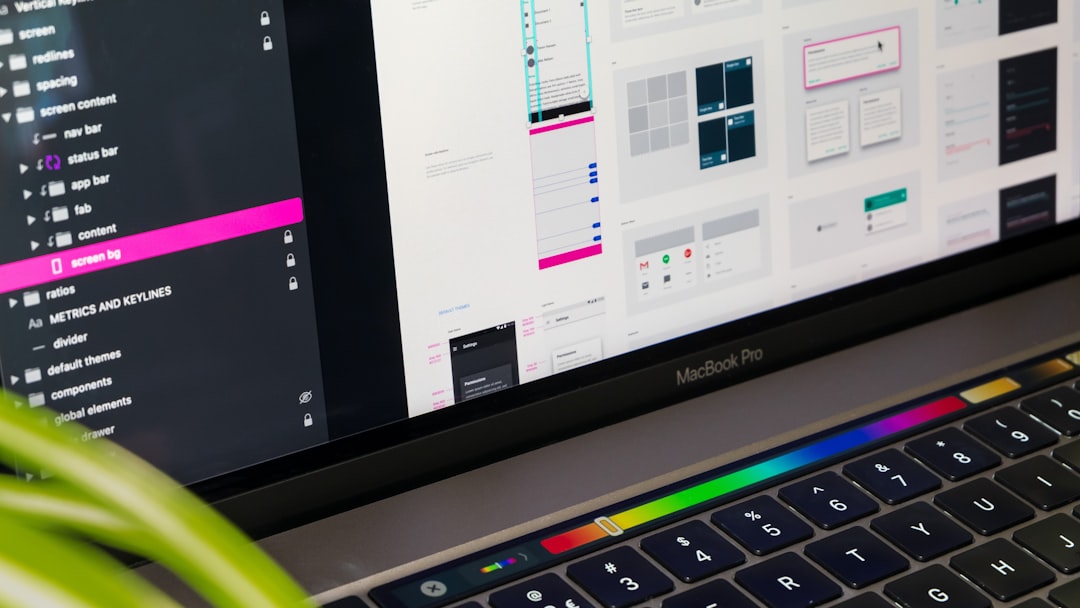
At the heart of Canva’s success is a clear guiding principle: design should be accessible to everyone. From students creating presentations to small business owners building marketing materials, the platform aims to remove friction from the creative process.
This philosophy manifests in several key ways:
- Drag-and-drop functionality that eliminates technical complexity
- Pre-designed templates tailored to specific use cases
- Massive asset libraries including photos, illustrations, fonts, icons, and videos
- Cloud-based access enabling projects from any device
- Real-time collaboration for teams
Instead of starting from a blank page, users are guided by layouts designed with visual best practices in mind. This reduces creative friction and increases confidence, particularly for those without formal design training.
Templates as Creative Catalysts
Templates are more than convenience tools; they are educational instruments. By interacting with professionally structured designs, users gradually absorb principles such as alignment, contrast, hierarchy, spacing, and color harmony.
Rather than dictating creativity, templates provide a structured foundation. Users can modify typography, adjust layouts, swap images, and personalize branding elements. The result is a balance between guidance and flexibility.
This approach enables rapid content production across formats, including:
- Social media graphics
- Presentations
- Posters and flyers
- Marketing brochures
- Infographics
- Resumes and cover letters
- Video content
By reducing setup time, users can focus on messaging and storytelling rather than formatting challenges.
The Democratization of Design
The broader significance of Canva lies in its role in democratizing visual expression. Historically, high-quality design required expensive software, advanced hardware, and professional training. Now, a browser and an idea are often enough.
This shift has empowered:
- Small businesses that cannot afford dedicated design teams
- Educators who need engaging classroom materials
- Nonprofits operating with limited budgets
- Freelancers building personal brands
- Students developing early creative skills
As a result, visual communication has become more inclusive. People who once felt excluded from design conversations can now participate fully in digital storytelling.
Collaboration in the Cloud Era
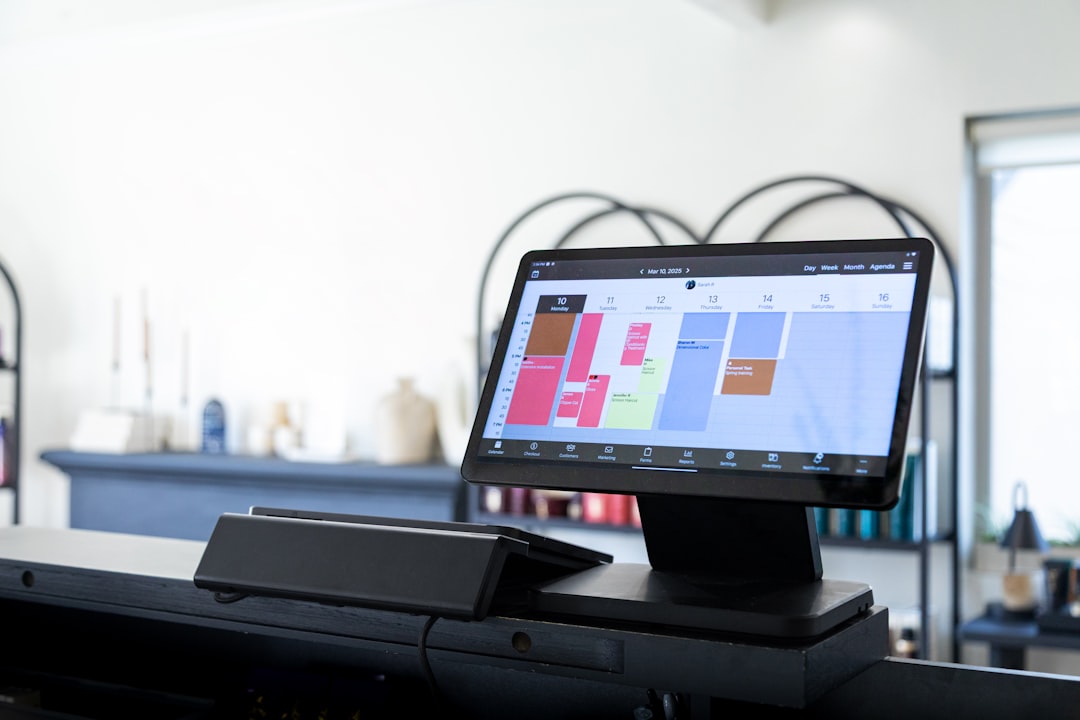
Another key factor in Canva’s rise is its seamless approach to collaboration. Traditional design software often required file transfers, version tracking, and compatibility adjustments. Canva’s cloud-based environment simplifies this process.
Teams can:
- Edit designs simultaneously
- Leave comments and feedback directly on visuals
- Share links instead of large file attachments
- Create brand kits with approved fonts, logos, and color palettes
This functionality aligns with modern remote work patterns. Marketing teams, for instance, can coordinate campaigns without exchanging multiple file versions. The workflow becomes faster, more transparent, and less prone to error.
The Expansion Into Multimedia
Initially recognized for static designs, Canva has steadily expanded into video editing, animation, presentations, whiteboards, and even website building. This evolution reflects a broader trend: no-code platforms are converging into all-in-one creative ecosystems.
Users can now animate text, edit video clips, generate AI-driven imagery, and format entire slide decks within a single interface. This integration reduces the need for multiple specialized tools, simplifying digital workflows.
The addition of artificial intelligence features—such as automated layout suggestions and text-to-image generation—further enhances accessibility. AI augments creativity rather than replacing it, giving users a starting point from which to refine their ideas.
The Business Impact of No-Code Design
From a business perspective, Canva’s rise reflects larger economic changes. Speed and adaptability are now essential competitive advantages. Organizations must produce content rapidly across platforms, often in response to real-time trends.
No-code visual design supports this agility by:
- Reducing dependency on specialized roles for routine tasks
- Accelerating campaign turnaround times
- Lowering operational costs
- Empowering non-design teams to contribute directly
This does not eliminate the need for professional designers. Instead, it reshapes their roles. Skilled designers increasingly focus on strategy, brand systems, and complex creative work, while routine assets can be managed internally through templates and reusable designs.
Challenges and Criticisms
Despite its advantages, no-code design platforms are not without criticism. Some professionals argue that heavy reliance on templates can lead to visual sameness. When millions of users draw from similar design libraries, originality may suffer.
Additionally, ease of use can create the illusion that design requires no expertise. While tools are simpler, effective communication still depends on clear messaging, thoughtful composition, and audience awareness.
There are also concerns about over-automation. As AI features become more advanced, questions arise about creative authorship and the balance between human insight and algorithmic assistance.
However, these concerns highlight an important reality: tools shape, but do not replace, human creativity. Canva provides access; it does not dictate outcomes.

The Cultural Shift Toward Visual Literacy
The growth of platforms like Canva reflects a broader cultural transformation. Modern communication is increasingly visual. Social media feeds, digital advertisements, presentations, and online courses all rely heavily on strong visual elements.
As a result, visual literacy has become an essential skill. Understanding how images influence interpretation, emotion, and engagement is now part of everyday communication. Canva contributes to this shift by enabling individuals to experiment and learn by doing.
This practical exposure fosters a generation that is more comfortable thinking in visual terms. In classrooms and workplaces alike, design is no longer a niche specialty but a shared language.
The Future of No-Code Creative Platforms
Looking ahead, no-code visual design tools are likely to become even more intelligent and integrated. Future developments may include:
- Advanced AI-driven branding assistants
- Automated accessibility checks for inclusive design
- Deeper integration with marketing analytics tools
- Immersive design formats such as augmented reality visuals
The ongoing challenge will be balancing automation with authenticity. As tools grow smarter, preserving human voice and originality will remain vital.
Canva’s trajectory suggests that simplicity and accessibility will continue to define innovation in this space. By prioritizing intuitive experiences and expanding creative possibilities, it has positioned itself at the forefront of the no-code movement.
Conclusion
The rise of Canva represents more than the success of a single platform. It symbolizes a shift in who has the power to create. No-code visual design has lowered barriers, accelerated workflows, and expanded participation in digital storytelling.
By turning complex design processes into intuitive actions, Canva has empowered individuals and organizations alike. While professional design expertise remains invaluable, the ability to communicate visually is no longer confined to specialists. In a world increasingly defined by images, this democratization marks a significant and enduring transformation.
Frequently Asked Questions (FAQ)
1. What is no-code visual design?
No-code visual design refers to creating graphics, presentations, videos, and other visual content using platforms that do not require programming or advanced technical skills. Users rely on drag-and-drop tools and templates instead of writing code.
2. How has Canva influenced the design industry?
Canva has made design accessible to a wider audience, enabling non-designers to create professional-quality visuals. It has shifted routine design tasks away from specialized teams while allowing professionals to focus on advanced creative strategy.
3. Is Canva suitable for professional businesses?
Yes, many businesses use Canva for marketing materials, social media graphics, internal communications, and branded templates. Its collaborative and brand management features make it practical for teams.
4. Does using templates limit creativity?
Templates provide structure but do not eliminate creativity. Users can customize layouts extensively. However, thoughtful adjustments are necessary to avoid visual similarity with widely used designs.
5. Will no-code tools replace professional designers?
No-code tools are unlikely to replace professional designers entirely. Instead, they change the nature of design work, automating simpler tasks while increasing the importance of high-level strategy, branding expertise, and complex creative problem-solving.