
International travel has become more accessible than ever, but one persistent frustration remains: unexpected roaming fees. Many travelers return home to find shockingly high phone bills due to data usage abroad. Fortunately, modern eSIM technology offers a practical, reliable, and increasingly affordable solution. By switching to an eSIM before you board your flight, you can stay connected without exposing yourself to unpredictable international roaming charges.
TLDR: International roaming fees can quickly become expensive and unpredictable. eSIM technology allows you to purchase and activate local or regional data plans digitally, avoiding traditional roaming costs. It’s secure, flexible, and often far more affordable than carrier roaming packages. For most modern smartphones, switching to an eSIM is simple and can save significant money while traveling.
Why Traditional Roaming Is So Expensive
International roaming works through agreements between your home carrier and foreign networks. While convenient, this system often comes with:
- High per-megabyte data rates
- Expensive daily roaming packages
- Limited high-speed data allowances
- Hidden or delayed billing notifications
Even if your provider offers a “travel pass,” those daily fees add up quickly on longer trips. Business travelers, digital nomads, and frequent globetrotters can easily spend hundreds of dollars per month on roaming alone.
Additionally, roaming plans typically lack flexibility. You are locked into your home carrier’s pricing, with few alternatives. That’s where eSIM solutions present a serious competitive advantage.
What Is an eSIM and How Does It Work?
An eSIM (embedded SIM) is a digital SIM built directly into your smartphone or tablet. Instead of inserting a physical SIM card when you arrive at your destination, you download a mobile data plan electronically.
The setup process generally involves:
- Purchasing a data plan from an eSIM provider.
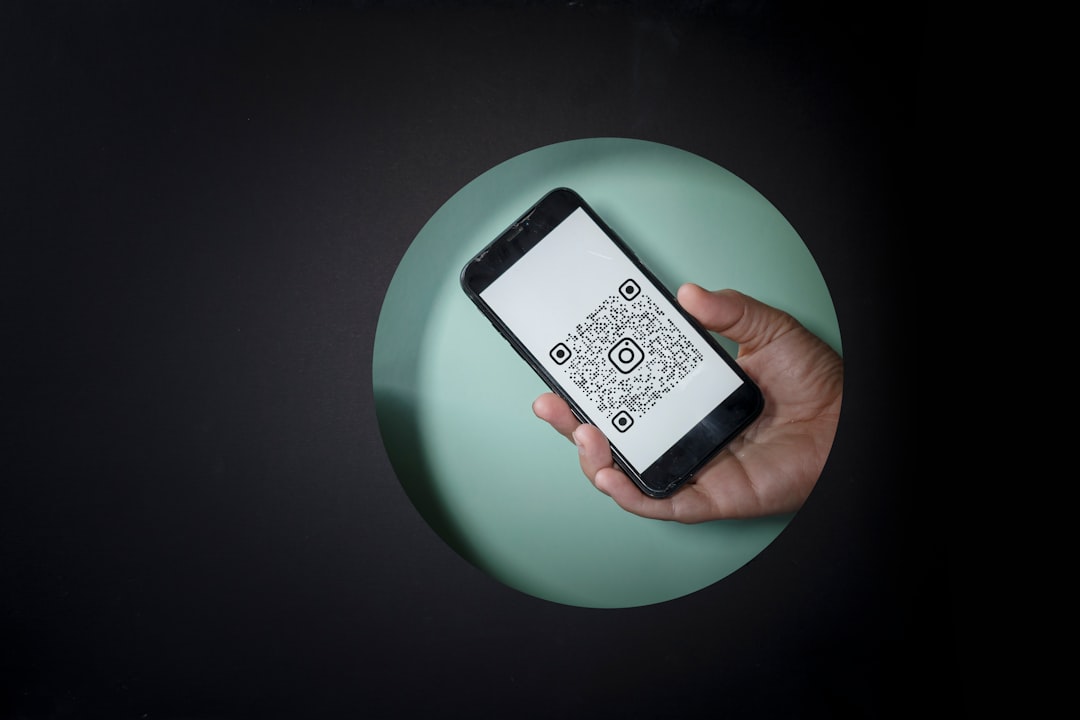
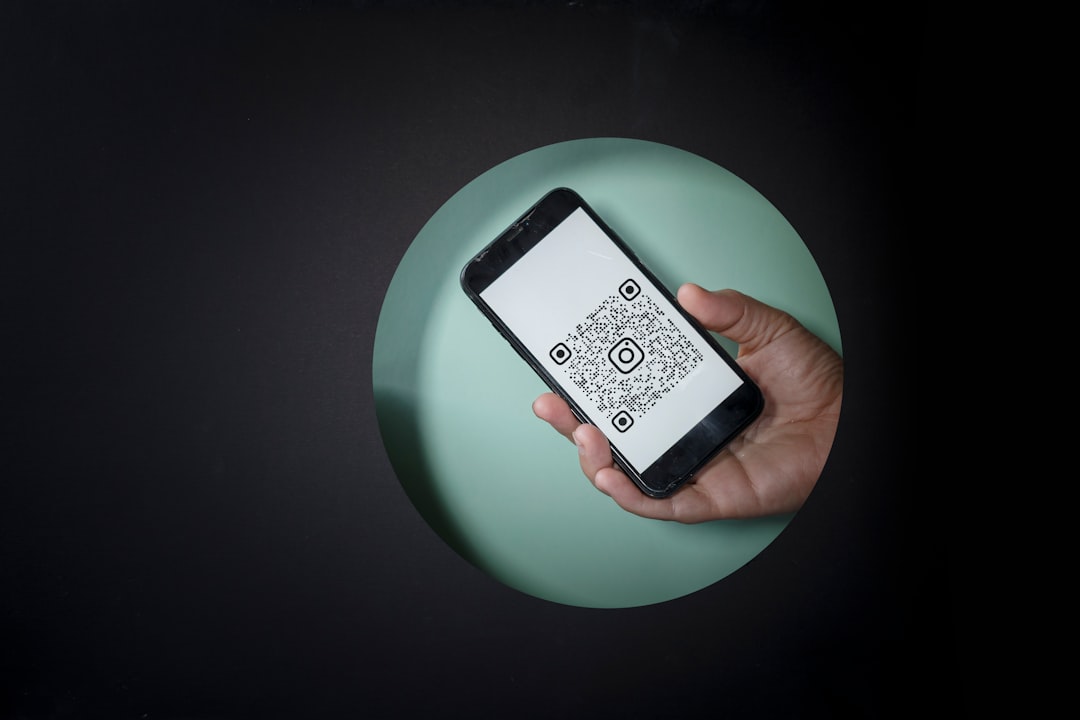
- Receiving a QR code or activation instructions.
- Scanning the code through your device settings.
- Activating the plan upon arrival.
Once installed, the eSIM connects you directly to local networks at domestic rates, bypassing traditional roaming agreements entirely.
The Financial Advantages of eSIM Solutions
The primary reason travelers switch to eSIM solutions is cost control. Compared to roaming packages, eSIM data plans are typically:
- Prepaid and transparent — You know exactly what you are paying upfront.
- Competitively priced — Often 50–80% cheaper than roaming fees.
- Flexible — Choose plans based on your trip length and data needs.
- Localized — Access domestic rates from local carriers.
For example, instead of paying $10 per day for limited roaming access, you might purchase a two-week 10GB regional eSIM plan for less than half the price.
Business travelers benefit even more. Rather than filing reimbursement claims for roaming charges, companies can standardize travel connectivity with predictable eSIM packages.
Coverage Options for Every Type of Traveler
Modern eSIM providers offer a wide range of plan types designed for specific travel patterns:
- Single-country plans for short visits
- Regional plans covering Europe, Asia, North America, or other continents
- Global plans for multi-country itineraries
- Short-term and long-term options
Regional plans are especially valuable for travelers visiting multiple countries within a short period. For instance, in Europe, one eSIM can provide coverage across the Schengen area without requiring new installations at every border.
This flexibility eliminates the need to purchase multiple physical SIM cards or visit local kiosks upon arrival.
Security and Reliability Considerations
Security is a legitimate concern when switching connectivity solutions. Fortunately, eSIM technology is designed with modern security standards.
Key safety advantages include:
- Remote provisioning encryption
- No physical card to lose or steal
- Device-level authentication
- Secure carrier profiles
In fact, many security experts argue that eSIMs reduce physical theft risks. If a phone is stolen, removing a physical SIM is often the first step thieves take. With an embedded SIM, disabling service remotely is typically faster and more secure.
To ensure reliability, travelers should choose reputable eSIM providers with strong reviews, clear customer support channels, and transparent coverage maps.
Compatibility: Is Your Device Ready?
Most modern smartphones support eSIM, including recent models from Apple, Samsung, Google, and other leading brands. However, compatibility varies by region and carrier lock status.
Before purchasing an eSIM, verify:
- Your device supports eSIM functionality.
- Your phone is carrier unlocked.
- Your destination is covered by the provider.
Checking compatibility avoids activation issues and ensures seamless connectivity upon arrival.
When eSIM Is Better Than Local Physical SIM Cards
Some travelers still purchase physical SIM cards after landing. While this can be cost-effective, it involves inconveniences such as:
- Waiting in long airport lines
- Navigating language barriers
- Providing passport documentation
- Handling currency exchanges
With eSIM, everything is completed before departure. You land with coverage already prepared, saving time and reducing stress.
For business travelers working immediately upon arrival, this can be particularly valuable. Reliable connectivity from the moment the aircraft lands supports productivity and communication.
Dual SIM Flexibility
One of the strongest technical benefits of eSIM technology is dual SIM usage. Most compatible devices allow you to:
- Keep your home number active for calls and texts.
- Use eSIM for affordable local data.
- Easily switch between plans in settings.
This hybrid approach preserves accessibility without incurring roaming data charges. You remain reachable while routing data traffic through a cheaper local network.
Common Mistakes to Avoid
While eSIM solutions are straightforward, travelers should avoid several common errors:
- Activating too early — Some plans start counting immediately after installation.
- Ignoring data limits — Streaming and hotspot use can consume data quickly.
- Forgetting to disable roaming on your primary SIM.
- Not testing installation before departure.
Careful planning ensures that your eSIM performs as expected throughout the trip.
Are There Any Downsides?
While eSIM offers compelling advantages, there are considerations worth noting:
- Not all older smartphones support eSIM.
- Some rural areas may have slower partner network speeds.
- Voice calling is sometimes data-only unless specified.
However, for the vast majority of urban and business travel scenarios, these limitations are minor compared to the significant financial savings.
The Future of Travel Connectivity
Telecommunications providers worldwide are investing heavily in digital provisioning infrastructure. As adoption increases, eSIM technology is expected to become the standard rather than the exception.
Airlines, travel insurance providers, and global enterprises are already integrating eSIM options into broader travel service packages. This shift reflects a wider recognition that seamless digital connectivity is no longer optional—it is essential.
For travelers seeking cost efficiency, flexibility, and control, eSIM solutions represent a practical modernization of international mobile access.
Final Thoughts
Roaming fees have long been considered an unavoidable expense of international travel. Today, that assumption is increasingly outdated. With eSIM solutions, travelers can bypass traditional roaming structures and connect directly to local networks at fair prices.
The benefits are clear: predictable costs, flexible plans, digital convenience, and immediate activation. Whether traveling for business or leisure, switching to an eSIM can significantly reduce your connectivity expenses while maintaining dependable service.
Before your next trip abroad, consider taking a few minutes to evaluate compatible eSIM options. A simple digital setup could spare you the frustration of excessive roaming fees—and provide peace of mind throughout your journey.