For auto dealerships, local search visibility is no longer optional. Most shoppers begin their car-buying journey online, comparing inventory, reviews, financing options, service departments, and directions before they ever step onto a lot. A strong auto dealership SEO strategy helps your business appear when nearby buyers search for terms like “used trucks near me,” “Toyota dealer in Dallas,” or “oil change service near me.”
TLDR: Auto dealership SEO is about making your dealership easier to find in local search results, Google Maps, and organic listings. The biggest ranking factors include a well-optimized Google Business Profile, strong location pages, accurate inventory SEO, reviews, technical website performance, and local content. Focus on user intent, keep business information consistent, and track results regularly to improve rankings over time.
Why Local SEO Matters for Auto Dealerships
Car buyers often search with immediate intent. They are not just browsing; they are looking for a dealership nearby that has the right vehicle, trustworthy reviews, financing options, and convenient hours. If your competitors appear above you in Google Maps or local organic results, they are more likely to earn the call, website visit, or showroom appointment.
Local SEO helps dealerships compete for high-value searches such as:
- New car dealer near me
- Used SUV dealer in your city
- Certified pre owned cars near me
- Auto financing near me
- Brake repair or oil change near me
Unlike paid ads, SEO can continue producing leads long after the initial work is done. The goal is to build a search presence that consistently puts your dealership in front of serious local buyers.
Image not found in postmetaOptimize Your Google Business Profile
Your Google Business Profile is one of the most important assets for dealership SEO. It powers your visibility in Google Maps, the local pack, and branded search results. A complete and active profile signals trust to both Google and potential customers.
Make sure your profile includes:
- Your exact dealership name, address, and phone number
- Correct business categories, such as car dealer, used car dealer, or auto repair shop
- Updated sales, service, and parts department hours
- High-quality photos of your lot, showroom, staff, and vehicles
- Links to your website, inventory pages, appointment forms, and service booking pages
- Regular Google Posts about promotions, new arrivals, events, and service offers
Dealerships with multiple departments should treat each one carefully. If eligible, you may have separate listings for sales, service, and parts, each with accurate categories and phone numbers. This helps customers find exactly what they need.
Use Local Keywords Strategically
Keyword research for auto dealerships should focus on vehicle intent, location intent, and service intent. A shopper searching for “2024 Honda Accord lease in Miami” is much closer to converting than someone searching for general car advice.
Build keyword groups around:
- Brand plus city: “Ford dealer in Phoenix”
- Vehicle type plus location: “used pickup trucks in Austin”
- Inventory terms: “certified used Toyota Camry near me”
- Finance terms: “bad credit car loans in Denver”
- Service terms: “Volkswagen oil change in Seattle”
Use these keywords naturally in page titles, meta descriptions, headings, body copy, image alt text, and internal links. Avoid stuffing keywords into every sentence. Google rewards pages that answer real search intent, not pages that sound robotic.
Create SEO Friendly Inventory Pages
Your vehicle detail pages are some of the most valuable pages on your website. Each listing should be more than a generic template with a stock photo. Google needs detailed, crawlable information, and shoppers need confidence that the vehicle is worth exploring.
Strong inventory pages should include:
- Unique title tags with year, make, model, trim, and location
- Detailed descriptions that mention features, mileage, condition, and benefits
- Clear pricing, financing options, and call-to-action buttons
- Multiple high-quality photos and, when possible, videos
- Vehicle schema markup to help search engines understand the listing
- Internal links to similar models, financing pages, and trade-in pages
When a vehicle sells, avoid simply deleting the page if it has traffic or backlinks. Instead, redirect it to a relevant model category, similar inventory page, or used vehicle search page. This preserves SEO value and improves the user experience.
Build Location and City Pages
If your dealership serves multiple nearby cities, dedicated location pages can help you rank beyond your immediate address. However, these pages must be useful and unique. Thin pages that simply swap city names will not perform well.
A strong city page might include:
- Information about your dealership’s distance from that city
- Popular models among customers in the area
- Driving directions and nearby landmarks
- Customer testimonials from that location
- Relevant inventory links and service offers
For example, instead of a bland page titled “Used Cars Near Springfield,” create a helpful guide for Springfield shoppers that highlights your inventory, financing support, trade-in process, and why customers from that area choose your dealership.
Earn and Manage Customer Reviews
Reviews heavily influence local rankings and customer decisions. A dealership with hundreds of positive, recent reviews is more likely to earn trust than one with outdated or unanswered feedback.
Ask for reviews after positive experiences, including vehicle purchases, service appointments, and financing approvals. Make the process simple by sending a direct review link through email or text. Train your team to ask at the right moment, especially when the customer expresses satisfaction.
Respond to every review, both positive and negative. Thank happy customers by name when appropriate, and address complaints professionally. A thoughtful response can show future shoppers that your dealership cares about service and accountability.
Improve Technical SEO and Website Speed
Auto dealership websites often contain large images, inventory feeds, third-party scripts, chat tools, financing widgets, and tracking codes. These can slow down the site if not managed properly. A slow website hurts both rankings and conversions.
Focus on these technical SEO basics:
- Compress images without reducing quality
- Make the website mobile friendly
- Use clean URL structures
- Fix broken links and redirect errors
- Submit an updated XML sitemap
- Add structured data for local business, vehicles, reviews, and FAQs
- Ensure important pages are crawlable and indexable
Because many car shoppers browse on mobile devices while comparing lots or sitting at home in the evening, your mobile experience must be fast, easy, and conversion focused.
Create Helpful Local Content
Content marketing gives your dealership more opportunities to rank for research-based searches. Not every shopper is ready to buy today. Some are comparing models, learning about financing, or deciding whether to repair or replace a vehicle.
Useful content ideas include:
- Model comparisons, such as “Honda CR-V vs Toyota RAV4”
- Buying guides for first-time car buyers
- Seasonal maintenance checklists
- Local driving tips and road trip guides
- Explanations of leasing, financing, and trade-ins
- Service-related FAQs for your brand
This content builds authority and supports internal linking. For instance, a blog post about the best used SUVs for families can link to your used SUV inventory, financing page, and trade-in tool.

Build Local Links and Citations
Local backlinks help Google understand that your dealership is a trusted business in the community. Look for legitimate opportunities rather than low-quality link schemes.
Good link sources include local chambers of commerce, sponsorship pages, school events, charity partnerships, automotive associations, local news features, and community event pages. Citations also matter, so make sure your name, address, and phone number are consistent across directories, social profiles, map platforms, and automotive listing sites.
Track the Right SEO Metrics
SEO success is not just about rankings. For dealerships, the most important question is whether organic search is generating leads and sales opportunities.
Track metrics such as:
- Organic traffic to inventory, service, and finance pages
- Google Business Profile calls, clicks, and direction requests
- Keyword rankings for local purchase-intent terms
- Form submissions and appointment bookings
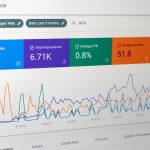
- Click-through rates from search results
- Review growth and average rating
Review this data monthly. If a model page is getting impressions but few clicks, improve the title and meta description. If a service page ranks but does not convert, improve the offer, layout, or call to action.
Final Thoughts
Auto dealership SEO works best when it combines local visibility, strong inventory optimization, technical performance, helpful content, and reputation management. There is no single shortcut to higher rankings; the dealerships that win are usually the ones that keep their information accurate, publish useful content, earn reviews, and make the shopping experience easy.
By investing in a complete local SEO strategy, your dealership can attract more qualified buyers, increase service appointments, and build long-term authority in your market. In a competitive automotive landscape, being found first often means being chosen first.