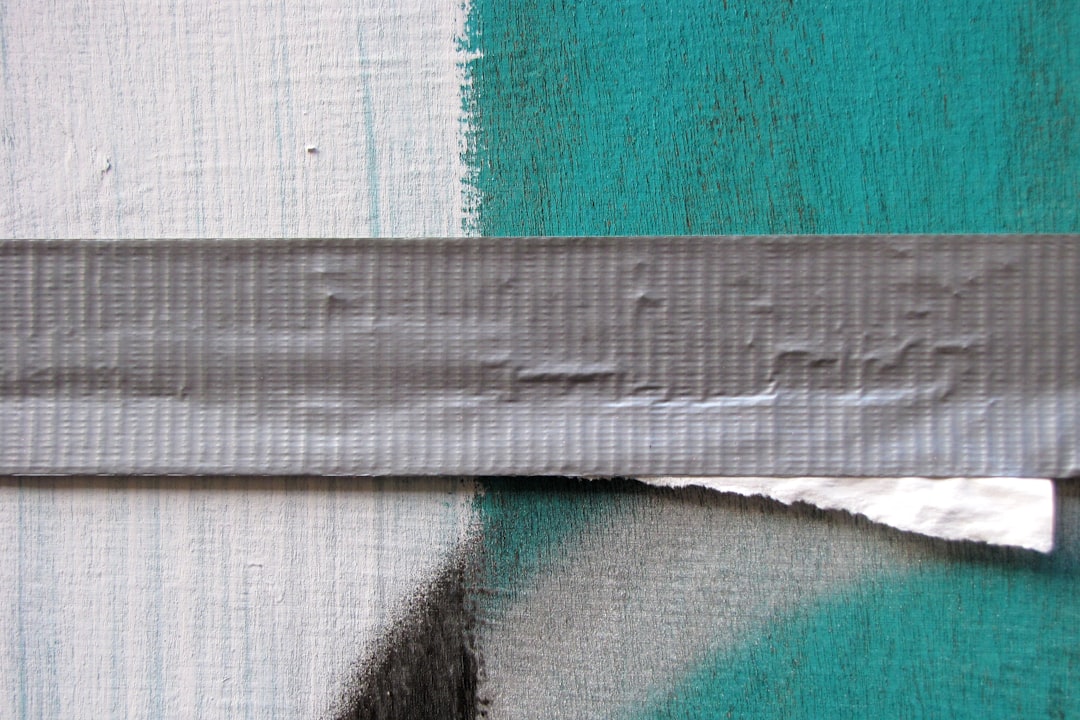
Few tools in the painting world are as deceptively simple as painter’s tape. At first glance, it looks like nothing more than a lightly colored roll of masking material. Yet behind its modest appearance lies sophisticated engineering designed to protect surfaces, create razor-sharp lines, and remove cleanly without leaving residue or damage. Understanding how engineered painter’s tape works reveals why it has become an essential component for professionals and DIY enthusiasts alike.
TLDR: Engineered painter’s tape is designed with specialized adhesives, flexible backings, and precise release properties to ensure clean removal and protect surfaces. Unlike standard masking tape, it balances strong adhesion during use with residue-free removal after drying. Modern formulations also resist paint bleed and adapt to various surfaces, from delicate wallpaper to textured drywall. The result is sharper paint lines, less damage, and a smoother project experience.
The Science Behind Painter’s Tape Adhesion
The true innovation in painter’s tape lies in its pressure-sensitive adhesive (PSA). Unlike permanent adhesives that cure or harden over time, PSAs bond with slight pressure and remain flexible. This flexibility allows the tape to adhere firmly during painting but release without tearing paint or leaving sticky residue.
Engineers carefully calibrate adhesive strength based on two primary goals:
- Secure adhesion during application
- Controlled, residue-free removal
This balance is achieved through polymer chemistry. Adhesives are formulated with specific molecular weights and elastic properties that prevent them from seeping into porous materials like drywall or wood. If adhesive penetrates too deeply, removal becomes destructive. If it bonds too weakly, paint can bleed underneath.
Some tapes also incorporate micro-barrier technologies along their edges. These engineered edges swell slightly when they come into contact with water-based paint, sealing gaps and preventing bleed-through.
Backing Materials: More Than Just Colored Paper
The paper or film backing of engineered painter’s tape is just as important as the adhesive. It must be flexible enough to conform to surfaces yet strong enough to resist tearing during application and removal.
High-quality painter’s tapes typically use:
- Crepe paper backings for flexibility and clean tearability
- Polymer films for sharper lines and moisture resistance
- UV-resistant coatings for extended outdoor performance
The creping process introduces microscopic folds into the paper. These folds allow the tape to stretch slightly around corners and curved moldings without lifting. Additionally, engineered coatings prevent paint from soaking through the backing, which could otherwise glue the tape to the surface.
Surface Sensitivity and Paint Protection
One of the biggest challenges in paint preparation is accounting for surface variety. Freshly painted walls, aged plaster, wood trim, metal fixtures, and delicate wallpaper all respond differently to adhesives.
Modern engineered painter’s tapes address this challenge by offering surface-specific formulations, including:
- Delicate surface tape for fresh paint and wallpaper
- Multi-surface tape for general interior projects
- Exterior tape for rough or weather-exposed materials
Delicate surface tapes use lower-tack adhesives that minimize pull force during removal. This significantly reduces the risk of peeling off underlying paint layers—a common issue with traditional masking tapes.
Image not found in postmetaThe Role of Controlled Release Technology
One of the defining features of engineered painter’s tape is controlled release. The goal is predictable removal without sudden tearing or adhesive transfer. Achieving this depends on three interacting factors:
- Adhesive shear strength – holds tape in place during painting.
- Peel adhesion – determines removal force required.
- Backing tensile strength – prevents stretching or snapping during removal.
Manufacturers test tapes under varying humidity, temperature, and UV conditions. High temperatures can soften adhesives, making residue more likely. Cold conditions can make tape brittle. Premium engineered tapes are formulated to perform consistently across a wide temperature range.
Why Standard Masking Tape Falls Short
While masking tape may seem similar, its adhesive composition is typically designed for short-term industrial bundling rather than precision painting. Problems often include:
- Excessive adhesive residue
- Paint bleed underneath edges
- Surface damage upon removal
- Difficulty conforming to textured surfaces
Painter’s tape, in contrast, is purpose-built. It undergoes testing for clean removal timelines—often rated at 7, 14, or even 30 days without residue under normal conditions.
Comparison of Common Tape Types
| Feature | Standard Masking Tape | Multi-Surface Painter’s Tape | Delicate Surface Painter’s Tape |
|---|---|---|---|
| Adhesive Strength | Medium to High | Medium | Low |
| Residue Risk | High | Low | Very Low |
| UV Resistance | Minimal | Moderate to High | Moderate |
| Best For | General masking tasks | Interior and exterior painting | Fresh paint, wallpaper, delicate finishes |
| Clean Removal Time | 1–3 Days | 7–21 Days | 14–60 Days |
Edge Technology and Paint Line Precision
Crisp paint lines are one of the most visible indicators of a professional job. Engineered painter’s tape enhances precision through:
- Laser-cut edges for uniform boundaries
- Absorbent edge barriers that swell slightly with moisture
- Smooth polymer coatings that resist seepage
This edge engineering reduces capillary action—the phenomenon where liquid paint seeps into tiny gaps between the tape and the wall. By sealing these micro-channels, paint remains exactly where it’s applied.
Environmental and Safety Considerations
Modern painter’s tapes are also developed with environmental safety in mind. Water-based adhesive systems reduce volatile organic compound (VOC) emissions. Many manufacturers now prioritize:
- Solvent-free adhesive chemistry
- Recyclable cardboard cores
- Sustainably sourced paper backings
Low-residue formulations not only protect surfaces but also minimize the need for chemical cleaners after removal. This contributes to safer indoor air quality during renovation projects.
Best Practices for Optimal Performance
Even the most advanced engineered tape performs best when used properly. To maximize clean removal and surface safety:
- Apply to clean, dry surfaces free of dust and grease.
- Press firmly along edges to activate adhesive bonding.
- Remove at a 45-degree angle for controlled peel.
- Follow recommended removal timelines listed by the manufacturer.
Temperature also matters. Applying tape in extremely cold or humid conditions can compromise performance. Ideally, surfaces should be between 50°F and 85°F during application and removal.
Innovation Continues: The Future of Painter’s Tape
Ongoing research continues to refine adhesive polymers, eco-friendly materials, and surface compatibility. Emerging technologies include:
- Smart adhesives that adjust tack levels based on humidity
- Hybrid film-paper composites for enhanced durability
- Extended UV-resistant formulations for outdoor projects lasting weeks
Some companies are even exploring nanotechnology to improve edge sealing at the microscopic level, which could further eliminate bleed-through on heavily textured walls.
Why Engineered Tape Matters More Than You Think
At its core, painter’s tape is about risk management. A failed edge can mean hours of touch-up work. Surface damage can require sanding and repainting. Residue can demand additional cleaning chemicals that delay project completion.
Engineered painter’s tape reduces these risks by combining chemistry, material science, and rigorous quality testing into a compact roll. What appears simple is, in reality, a convergence of polymer engineering, surface physics, and practical design.
For professional painters, precision equals reputation. For homeowners, it equals peace of mind. In both cases, the difference between frustration and flawless results often lies in choosing a tape specifically engineered for clean removal and surface safety.
So the next time you press down a strip of blue or green tape along a wall edge, remember: you’re not just applying paper and glue. You’re activating a carefully calibrated system designed to stick when needed, release when asked, and protect what matters underneath.