

Managing affiliate websites can feel like juggling multiple moving parts at once—content production, SEO optimization, link tracking, partner communication, and revenue reporting. Without reliable systems in place, even high-traffic sites can underperform or plateau. The difference between average affiliate marketers and consistently profitable ones isn’t just effort—it’s the structure behind how they operate. Below, we break down three proven systems that professional affiliate marketers use to manage websites efficiently and track sustainable revenue growth.
TLDR: Successful affiliate marketers rely on structured systems, not guesswork. The three most effective systems include a content production and SEO workflow, a centralized affiliate tracking and analytics system, and a revenue performance dashboard framework. When implemented together, these systems reduce chaos, improve decision-making, and uncover hidden growth opportunities. The key is integration and consistency.
System #1: A Structured Content & SEO Workflow
Content is the engine of affiliate revenue. Without a repeatable workflow for creating, optimizing, and updating content, growth becomes unpredictable. A structured content system ensures you’re consistently targeting high-intent keywords and updating existing pages for maximum ROI.

Core Components of This System
- Keyword Research Database: Maintain a master spreadsheet of target keywords categorized by buyer intent, search volume, and competition level.
- Content Brief Templates: Standardize article outlines so every post follows SEO best practices.
- Publishing Calendar: Plan content at least 60–90 days ahead to maintain consistency.
- Content Update Cycle: Refresh top-performing and top-potential articles quarterly.
Many affiliate sites fail because they focus only on publishing new articles while neglecting older pages. A consistent update system improves rankings faster than publishing alone. Updating comparison tables, refreshing screenshots, adding FAQs, and improving internal linking can dramatically lift revenue.
Tools Commonly Used
- Ahrefs or SEMrush for keyword research
- Surfer SEO or Clearscope for content optimization
- Notion, Trello, or Asana for editorial workflow
- Google Search Console for opportunity mining
The key advantage of this system is predictability. When your publishing cadence and optimization process are measurable, you can forecast traffic growth and, by extension, revenue potential.
System #2: Centralized Affiliate Link & Conversion Tracking
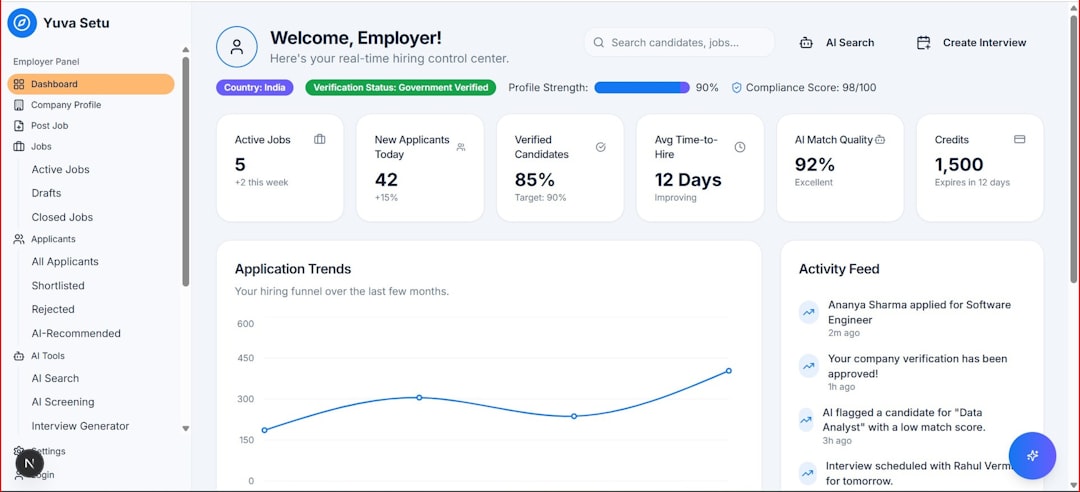
Revenue growth is impossible to manage if you can’t accurately track performance. Relying solely on affiliate network dashboards leads to fragmented data. A centralized tracking system consolidates clicks, conversions, and commissions across all programs.
How This System Works
- Link Cloaking & Management: Use a plugin or platform to create branded, trackable links.
- Sub-ID Tracking: Assign unique identifiers to different pages or traffic sources.
- Click Tracking: Monitor outbound clicks to measure article performance.
- Cross-Network Reporting: Combine earnings from multiple networks into one dashboard.
Sub-ID tracking is particularly powerful. For example, if you promote the same product across multiple articles, sub-IDs allow you to identify which page drives the highest EPC (earnings per click). This insight helps you prioritize content updates where they matter most.
Popular Tracking Tools
- Pretty Links
- ThirstyAffiliates
- Voluum
- ClickMeter
- Affluent for multi-network aggregation
Comparison of Popular Affiliate Tracking Tools
| Tool | Best For | Key Strength | Pricing Level |
|---|---|---|---|
| Pretty Links | WordPress users | Simple link cloaking and click tracking | Low to Medium |
| ThirstyAffiliates | Affiliate bloggers | Automated keyword linking | Medium |
| Voluum | Advanced marketers | Deep campaign level analytics | High |
| ClickMeter | Campaign optimization | Conversion funnel tracking | Medium to High |
| Affluent | Portfolio managers | Aggregated multi network reporting | Medium |
This centralized tracking system eliminates blind spots. Instead of guessing which articles generate profit, you can rank pages by revenue contribution, conversion rate, and EPC.
System #3: Revenue Growth & Performance Dashboard
Most affiliate marketers track revenue—but few track growth strategically. A revenue performance dashboard transforms raw data into actionable insights. Rather than focusing only on total income, this system monitors leading indicators that predict future growth.

Metrics That Matter
- Earnings Per Click (EPC)
- Revenue Per 1,000 Visitors (RPM)
- Conversion Rate by Page
- Traffic to Revenue Ratio
- Top 20% Pages by Profit Contribution
Tracking RPM is especially important. If one article generates $40 RPM while another earns $12 RPM with similar traffic, you’ve identified an optimization opportunity. Multiply this across dozens of articles and the impact becomes significant.
Monthly Growth Review Framework
- Identify Revenue Drivers: Which pages contributed the most growth this month?
- Detect Declines Early: Are rankings or conversions slipping?
- Test Monetization Variations: Swap offers, adjust call-to-action placements, or test comparison tables.
- Set Expansion Targets: Plan content clusters around top-performing categories.
Using tools like Google Data Studio (Looker Studio), Tableau, or custom spreadsheets allows you to visualize trends over time. Visual dashboards reduce emotional decision-making and replace it with data-driven clarity.
How These Systems Work Together
Each system is powerful alone—but transformative when integrated.
- The Content & SEO Workflow drives targeted traffic.
- The Affiliate Tracking System measures monetization efficiency.
- The Revenue Dashboard identifies scaling opportunities.
For example, your dashboard may reveal that product comparison articles produce 2x higher EPC than single-product reviews. You can then adjust your content workflow to prioritize comparison posts. Your link tracking system ensures accurate measurement, feeding better data back into your dashboard.
This feedback loop creates compound growth.
Common Mistakes to Avoid
Even with systems in place, affiliate marketers often undermine their progress by:
- Overcomplicating tools: More software does not equal better control.
- Ignoring update cycles: Stale content loses rankings and trust.
- Failing to track at page level: Site-wide averages hide weak points.
- Not documenting processes: Without SOPs, scaling becomes chaotic.
Simplicity and documentation are underrated growth accelerators. A lean stack, clearly defined workflows, and monthly reviews often outperform sophisticated but inconsistent setups.
Scaling Beyond One Website
Once these systems are refined, expanding to multiple affiliate sites becomes significantly easier. Instead of reinventing processes, you duplicate frameworks:
- Clone your content calendar template
- Replicate tracking structures with uniform naming conventions
- Plug new sites into your existing dashboard system
This approach transforms affiliate marketing from a side hustle into a portfolio business. Investors and buyers also value documented systems, making your properties more attractive for acquisition.
Final Thoughts
Affiliate marketing success is rarely about discovering secret products or gaming search algorithms. It’s about operational excellence. With a structured content and SEO workflow, centralized link tracking, and a clear revenue growth dashboard, you replace randomness with strategy.
Systems create clarity. Clarity drives optimization. Optimization drives growth.
If you implement even one of these systems this quarter, you’ll likely notice improved organization and better insight into your revenue streams. Implement all three, and you’ll build a scalable affiliate machine capable of consistent and measurable growth year after year.