
The internet feels private. But it is not. Every click, search, and stream can be tracked. That is where tools like VPNs and proxies come in. They promise privacy. They promise freedom. But they are not the same thing. Let’s break it down in a fun and simple way.
TLDR: A VPN hides your entire internet connection and encrypts your data. A proxy only reroutes specific traffic and usually does not encrypt it. VPNs are better for security and privacy. Proxies are faster and often used for simple tasks like bypassing basic location blocks.
First, What Is a Proxy?
Think of a proxy as a middleman. You ask for a website. The proxy asks for it on your behalf. Then it sends the website back to you.
The website sees the proxy’s IP address. Not yours. That is the main trick.
Simple idea. Simple tool.
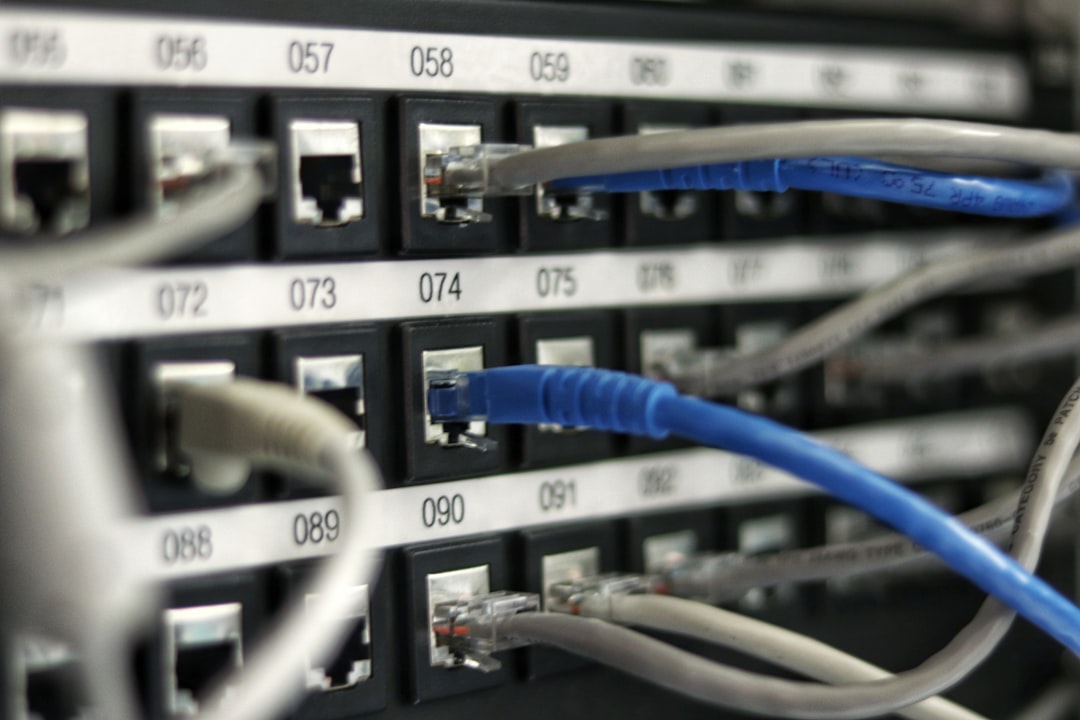
What a proxy does:
- Hides your real IP address
- Can change your virtual location
- Works at the app or browser level
- Usually does not encrypt your traffic
People use proxies to:
- Access geo-blocked websites
- Manage multiple social media accounts
- Speed up certain network tasks
- Scrape public data
It is lightweight. It is fast. But it is not very secure.
Now, What Is a VPN?
VPN stands for Virtual Private Network. Sounds technical. But the idea is simple.
A VPN creates a secure tunnel between your device and the internet. Everything that goes through that tunnel is encrypted.
Encrypted means scrambled. Locked. Hidden.

What a VPN does:
- Hides your IP address
- Encrypts all your internet traffic
- Protects data on public WiFi
- Works across your whole device
When you use a VPN, your:
- Browser is protected
- Email is protected
- Apps are protected
- Background services are protected
It is like putting your entire internet life inside an armored truck.
The Core Difference: Encryption
This is the big one.
A proxy hides your IP. That’s mostly it.
A VPN hides your IP and encrypts your data.
Imagine sending a postcard versus sending a locked box.
- Proxy = postcard with a different return address
- VPN = locked box inside an armored truck
If someone intercepts proxy traffic, they may read it. If someone intercepts VPN traffic, they see scrambled nonsense.
Speed Differences
Speed matters. Nobody likes buffering.
Proxies are often faster. Why? Because they do less work. No heavy encryption. Less processing.
VPNs can be slightly slower. Encryption takes effort. Good VPNs minimize the slowdown. Cheap ones may feel sluggish.
If speed is your only goal, a proxy might win.
If safety matters, VPN wins.
Security on Public WiFi
Public WiFi is risky. Airports. Cafes. Hotels. These places are playgrounds for hackers.

If you use a proxy on public WiFi, your traffic may still be exposed.
If you use a VPN, your traffic is encrypted. Even if someone intercepts it, they cannot read it.
This alone makes VPNs a smarter choice for travelers and remote workers.
Device Coverage
Another key difference is coverage.
A proxy often works per app. For example:
- You set it up in your browser
- It only affects browser traffic
- Other apps stay unprotected
A VPN works at the system level.
- All apps go through the VPN
- Background services are covered
- No need to configure each app
Less hassle. More protection.
Streaming and Geo-Blocking
Want to watch a show not available in your country?
Both proxies and VPNs can help. They mask your IP. They make it look like you are somewhere else.
But streaming platforms are smart. They block many proxy IPs.
Premium VPN services invest heavily in bypass technology. They rotate servers. They update IP addresses.
Result? VPNs usually work better for streaming.
Privacy From Your Internet Service Provider
Your ISP can see a lot.
- Websites you visit
- How long you visit them
- How much data you use
With a proxy, your ISP may still see your activity. Especially if traffic is not encrypted.
With a VPN, your ISP sees only this:
- You connected to a VPN server
- Nothing else
That is a big difference.
Business and Advanced Uses
Proxies are popular in technical fields.
- Search engine testing
- Ad verification
- Web scraping
- Automation
They are flexible. You can choose residential proxies. Datacenter proxies. Rotating proxies.
VPNs are more consumer focused. They are built for:
- Privacy
- Security
- Safe browsing
- Secure remote work
Different tools. Different audiences.
Comparison Chart: VPN vs Proxy
| Feature | Proxy | VPN |
|---|---|---|
| Hides IP Address | Yes | Yes |
| Encrypts Data | Usually No | Yes |
| Works System Wide | No | Yes |
| Speed | Often Faster | Slightly Slower |
| Public WiFi Protection | Weak | Strong |
| Best For | Basic IP masking | Full privacy and security |
| Cost | Often Free or Cheap | Usually Subscription Based |
Are Free Proxies and Free VPNs Safe?
Free sounds great. But be careful.
Running servers costs money. If you are not paying, someone else is.
Some free services:
- Log your activity
- Sell your data
- Inject ads
- Contain malware
A shady VPN can be worse than no VPN.
If privacy matters, choose reputable providers. Read reviews. Check policies.
When Should You Choose a Proxy?
Go with a proxy if:
- You need simple IP masking
- You are managing multiple accounts
- You need fast connections
- Security is not your main concern
For example, digital marketers often use proxies for managing region specific campaigns.
When Should You Choose a VPN?
Choose a VPN if:
- You use public WiFi often
- You care about online privacy
- You work remotely
- You handle sensitive data
- You want full device protection
It is the safer all around option.
Can You Use Both?
Yes. But most people do not need to.
Advanced users sometimes combine them for layered setups. For example:
- VPN for encryption
- Proxy for specific automation tasks
This is more common in business and tech environments.
The Bottom Line
VPNs and proxies both hide your IP address. That is where the similarity mostly ends.
A proxy is like wearing a mask.
A VPN is like wearing a mask and traveling through a secure tunnel.
If you just want to appear in another country fast, a proxy might work.
If you want real privacy and protection, a VPN is the smarter choice.
Online privacy is not automatic. It is something you build. One tool at a time.
Now you know the difference. And that knowledge alone puts you ahead of the game.