
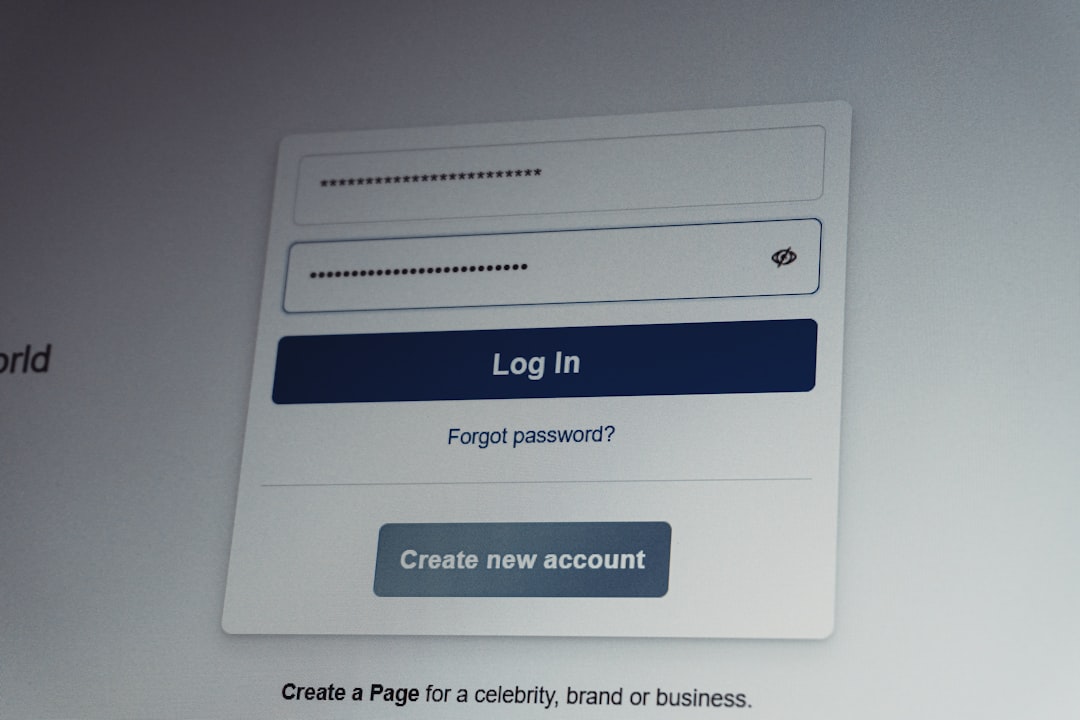
Encountering the “Invalid Identifier or Password” error in WordPress Antelope Bsky can be both frustrating and concerning. Whether you are an administrator trying to access the dashboard or a content manager attempting to publish new material, this authentication issue can disrupt workflow and raise questions about security. Fortunately, in most cases, the problem can be diagnosed and resolved with structured troubleshooting and a clear understanding of how WordPress authentication works within the Antelope Bsky environment.
TL;DR: The “Invalid Identifier or Password” error in WordPress Antelope Bsky usually stems from incorrect credentials, database mismatches, caching conflicts, or user role misconfigurations. Start by verifying login details, clearing cache, and resetting passwords securely. If the issue persists, review database integrity, plugin conflicts, and server configurations. In rare cases, restoring a backup or contacting hosting support may be necessary.
Understanding the Error
The “Invalid Identifier or Password” message typically appears when WordPress cannot validate the credentials entered by a user. In the context of Antelope Bsky, this may refer to a custom authentication layer, integration, or security enhancement built on top of standard WordPress login processes.
This error can result from:
- Incorrect username or password input
- User account corruption in the database
- Plugin conflicts affecting authentication
- Outdated session or cache storage
- Server configuration errors
- Security tools blocking legitimate login attempts
Carefully identifying which of these factors applies is crucial before attempting corrective action.
Step 1: Verify and Reset Credentials
The most common cause of the error is simple credential mismatch. Before proceeding with advanced solutions, confirm the following:
- Check for typing errors (case sensitivity, extra spaces, incorrect keyboard layout)
- Ensure the correct identifier is used (username vs. email depending on configuration)
- Confirm Caps Lock is disabled
If the issue persists, reset the password using WordPress’s native recovery system:
- Click on Lost your password?
- Enter your registered email address.
- Follow the password reset link.
If email reset does not work, you may need to manually reset it via the database.
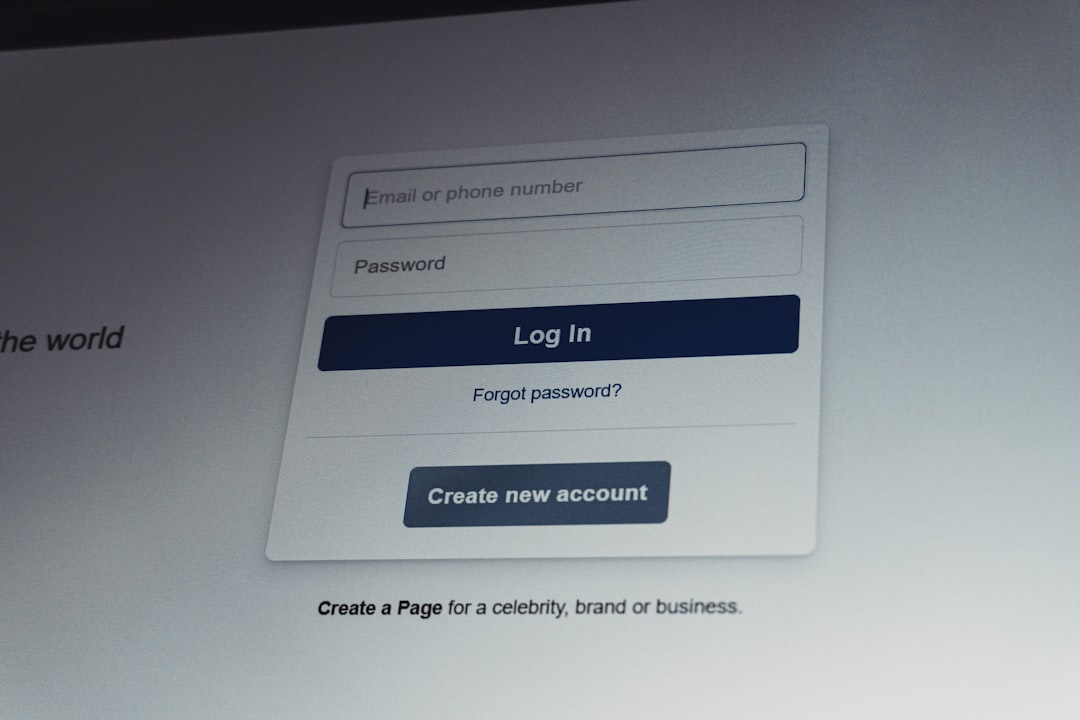
Reset Password via phpMyAdmin
If you have server access:
- Log into your hosting control panel.
- Open phpMyAdmin.
- Navigate to the wp_users table.
- Edit the affected user.
- Change the password field using the MD5 function.
This method restores access in many scenarios where the password hash has been corrupted.
Step 2: Clear Cache and Cookies
Authentication systems rely on sessions and cookies. Corrupt or expired session data can trigger login errors even when credentials are correct.
Take the following actions:
- Clear browser cache and cookies.
- Try logging in using an incognito/private window.
- Disable browser extensions temporarily.
- Flush WordPress cache if using caching plugins like WP Rocket or W3 Total Cache.
If Antelope Bsky uses object caching (Redis or Memcached), restart the caching service through your hosting dashboard.
Step 3: Deactivate Security and Authentication Plugins
Security plugins often enhance login procedures but can sometimes block legitimate authentication attempts. If the error appeared after installing or updating a plugin, this is a strong indicator.
Common plugins to review:
- Wordfence
- iThemes Security
- Login Lockdown tools
- Two-Factor Authentication plugins
To deactivate a plugin without dashboard access:
- Access your site via FTP or File Manager.
- Navigate to /wp-content/plugins/.
- Rename the suspected plugin folder.
This instantly disables the plugin. Attempt logging in again afterward.
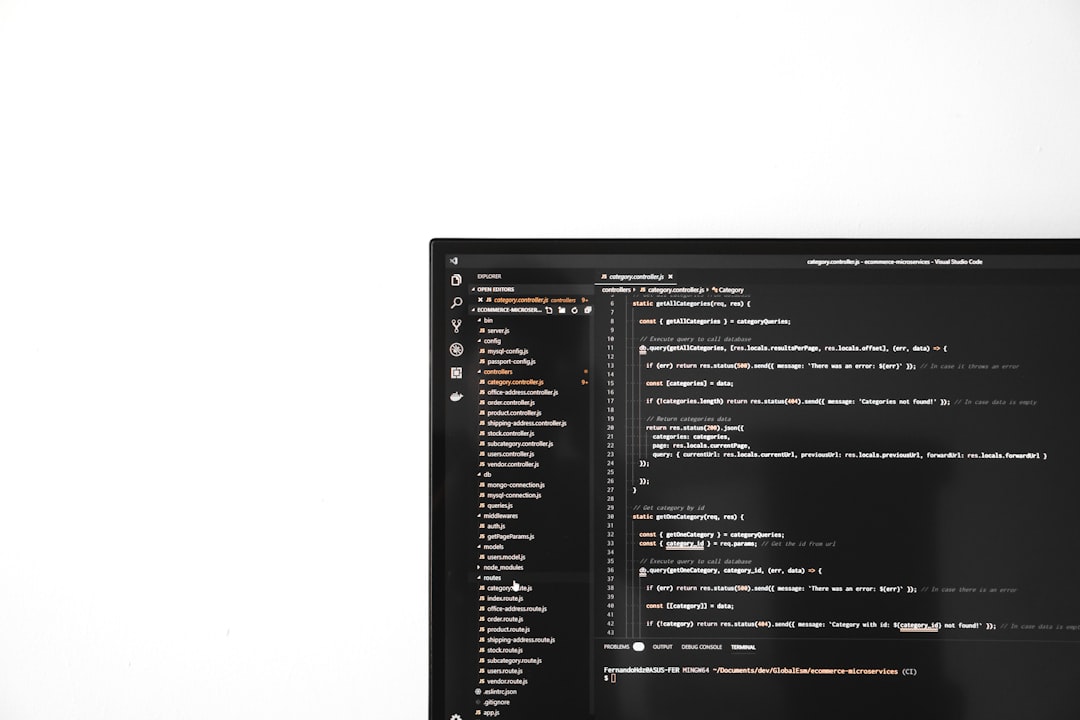
Step 4: Check Database Integrity
If login data in the database is corrupted, WordPress cannot authenticate users properly. This can occur due to interrupted updates, server crashes, or compromised installations.
To check database integrity:
- Add
define('WP_ALLOW_REPAIR', true);to wp-config.php. - Visit yourdomain.com/wp-admin/maint/repair.php.
- Run the database repair tool.
After repair, remove the line from wp-config.php for security purposes.
Also verify that:
- The table prefix matches configuration.
- The wp_users and wp_usermeta tables are intact.
- No unexpected changes appear in user capabilities.
Step 5: Confirm User Role and Permissions
Sometimes the error is not about incorrect credentials but about improper role configuration. If the wp_usermeta table has lost role associations, WordPress may reject login attempts.
Check for:
- Missing wp_capabilities entry
- Incorrect user level
- Corrupted serialized values
For administrators, ensure the following capability exists:
a:1:{s:13:"administrator";b:1;}
Improper edits here can lock even valid administrators out of their sites.
Step 6: Review Server Configuration
Server misconfigurations can interfere with authentication mechanisms. Focus on:
- PHP version compatibility
- Incorrect file permissions
- Misconfigured .htaccess rules
- Expired SSL certificate
Recommended file permissions:
- Folders: 755
- Files: 644
- wp-config.php: 600 (if possible)
Additionally, ensure your hosting environment supports the required PHP version for your WordPress and Antelope Bsky integration.
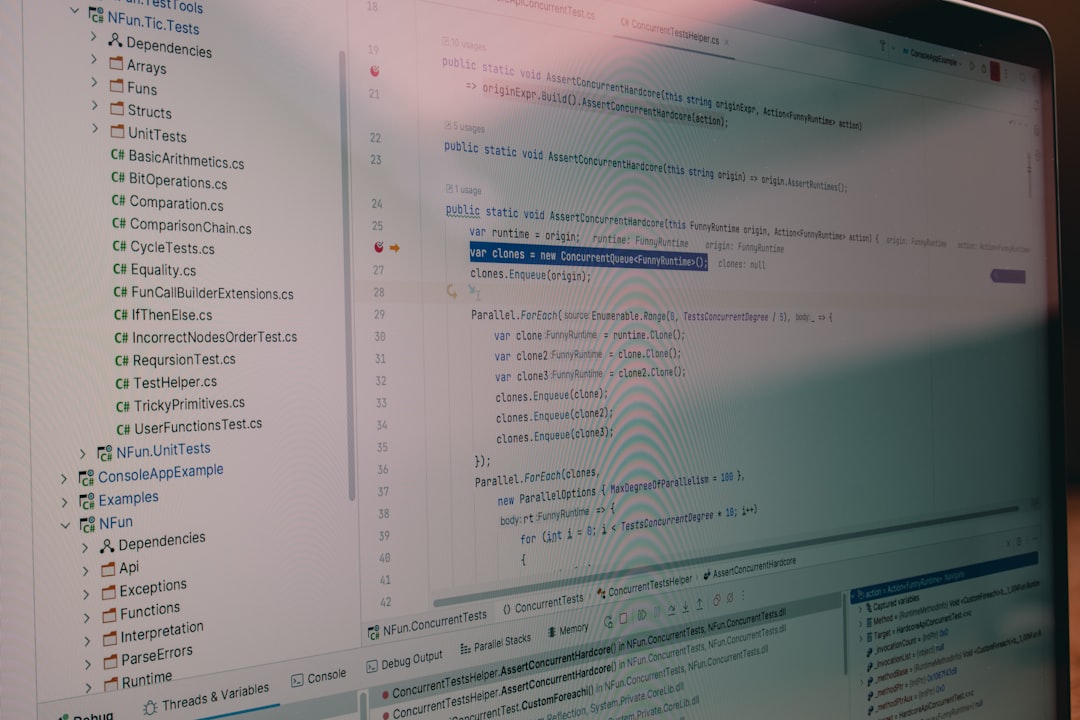
Step 7: Disable Custom Authentication Integrations
If Antelope Bsky relies on custom authentication APIs or third-party services (such as OAuth providers or enterprise SSO tools), check whether:
- API tokens have expired
- Endpoints are unreachable
- Credentials in configuration files are outdated
Temporarily reverting to native WordPress authentication can help isolate whether the problem lies in external integrations.
Step 8: Restore from Backup
If none of the above solutions solve the issue, restoring a clean backup may be the safest and quickest solution. Choose a backup created before the error occurred.
Before restoring:
- Verify the backup integrity.
- Ensure both files and database are included.
- Create a snapshot of the current state.
This approach is particularly effective if the error appeared after a plugin installation, theme change, or core update.
Preventing Future Authentication Errors
Prevention is always preferable to troubleshooting. Implement the following practices to minimize recurrence:
- Use a reliable password manager.
- Keep WordPress core, plugins, and themes updated.
- Limit the number of authentication-related plugins.
- Perform regular database optimizations.
- Implement scheduled backups.
Additionally, document any changes made to authentication systems in Antelope Bsky to maintain institutional knowledge and simplify future troubleshooting.
When to Contact Hosting Support
If you encounter:
- Persistent 500-level server errors
- Database connection failures
- Suspected account suspension or firewall blocking
It is advisable to contact your hosting provider. Provide detailed information, including:
- Error screenshots
- Time of first occurrence
- Recent updates or modifications
- Server logs if available
Professional hosting support can often identify server-level conflicts that are not visible within WordPress itself.
Final Thoughts
The “Invalid Identifier or Password” error in WordPress Antelope Bsky is typically caused by manageable and well-understood issues. In most cases, careful verification of credentials, database records, plugin compatibility, and server environment is sufficient to restore access.
Taking a structured and methodical approach is essential. Avoid making multiple changes simultaneously, as this can obscure the true cause and complicate resolution. By addressing each layer—user credentials, WordPress configuration, database integrity, plugin environment, and server infrastructure—you significantly increase the likelihood of resolving the issue efficiently and securely.
Maintaining disciplined update practices, regular backups, and clear authentication policies will not only fix the current problem but also ensure long-term stability and security for your WordPress installation.