

Modern sales teams operate in an environment defined by data, speed, and precision. Manual processes, disconnected systems, and outdated forecasting methods no longer meet the demands of competitive markets. To scale efficiently and maintain revenue predictability, organizations must rely on technology that automates pipelines, improves forecasting accuracy, and drives measurable growth. The right sales tools not only streamline operations but also provide leadership with visibility and confidence in decision-making.
TLDR: Sales automation tools are essential for improving pipeline visibility, forecasting accuracy, and revenue growth. Platforms that integrate CRM data, AI-driven insights, and workflow automation help eliminate manual work and reduce forecast errors. This article examines six powerful sales tools designed to automate processes, improve decision-making, and enhance overall sales performance.
Below are six proven tools that help organizations automate sales pipelines, create reliable forecasts, and increase revenue with structured, repeatable processes.
1. Salesforce Sales Cloud
Best for: Enterprise-grade CRM, pipeline visibility, and AI forecasting.
Salesforce Sales Cloud remains one of the most comprehensive platforms for managing sales operations. It centralizes customer data, automates workflows, and provides advanced reporting tools that give sales leaders precise control over their pipeline.
Key capabilities include:
- Automated lead assignment and routing
- Customizable sales stages and workflows
- Real-time forecasting dashboards
- AI-powered insights via Einstein Analytics
The platform’s forecasting functionality leverages historical performance data and predictive models. This reduces dependency on subjective sales rep inputs and improves the accuracy of revenue projections.
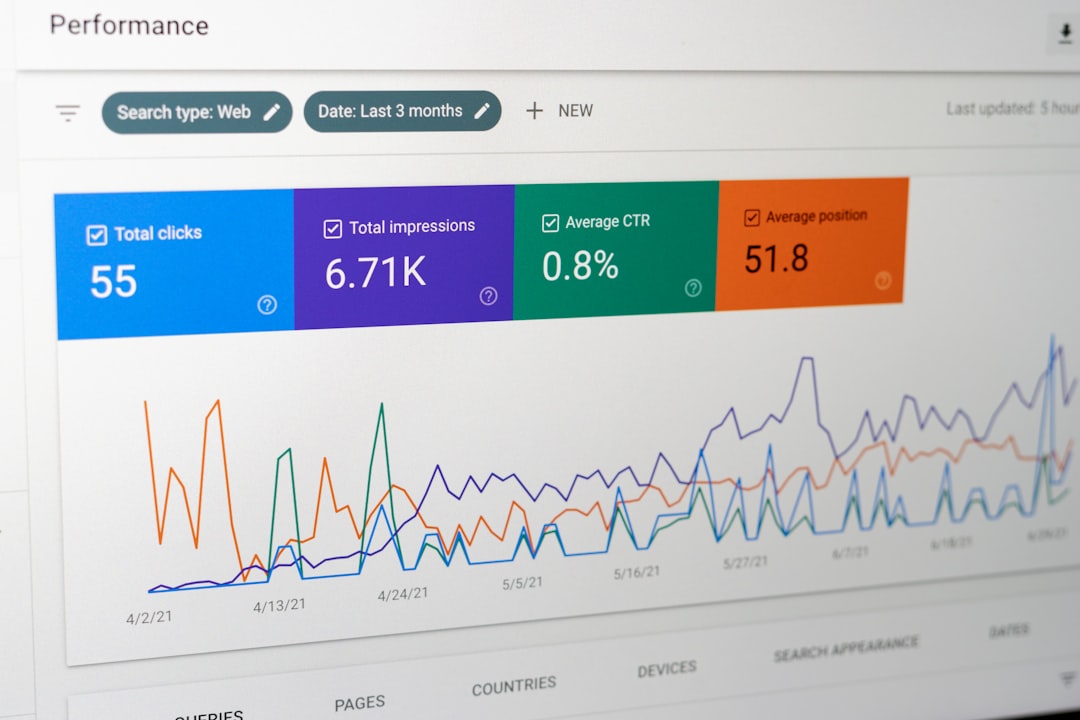
Salesforce is particularly valuable for organizations requiring scalability, flexibility, and integrations with marketing, service, and finance platforms.
2. HubSpot Sales Hub
Best for: Mid-sized teams seeking automation and user-friendly implementation.
HubSpot Sales Hub simplifies pipeline automation while maintaining powerful analytics features. It is known for its intuitive interface and strong integration across marketing and service modules, creating a seamless customer journey.
Core strengths include:
- Email tracking and automated follow-ups
- Deal stage automation
- Pipeline health reporting
- Sales forecasting dashboards
One of HubSpot’s advantages is its ability to automate repetitive tasks such as email outreach, meeting scheduling, and task assignments. This allows representatives to focus on high-value sales conversations rather than administrative activities.
Forecasting tools provide revenue projections based on real-time deal progression and weighted probabilities, enhancing visibility without unnecessary complexity.
3. Pipedrive
Best for: Small to mid-sized teams prioritizing deal-focused pipeline management.
Pipedrive emphasizes visual pipeline management and activity-based selling. Its clean interface makes it particularly effective for teams transitioning from spreadsheets or basic CRMs.
Notable features:
- Drag-and-drop deal movement
- Automated reminders and workflows
- Revenue forecasting summaries
- Sales performance tracking
Pipedrive encourages consistency by centering the workflow around activities rather than vague deal status updates. This approach strengthens pipeline hygiene and improves forecast reliability.
For growing teams that need clarity and automation without enterprise-level complexity, Pipedrive offers a balanced solution.
4. Clari
Best for: Revenue operations teams seeking advanced AI-driven forecasting.
Clari focuses heavily on revenue intelligence and forecast accuracy. Unlike traditional CRMs, which record data, Clari actively analyzes pipeline movements and risk indicators to identify potential revenue gaps.
Key capabilities:
- AI-driven opportunity scoring
- Pipeline risk analysis
- Automated forecast rollups
- Revenue leak detection
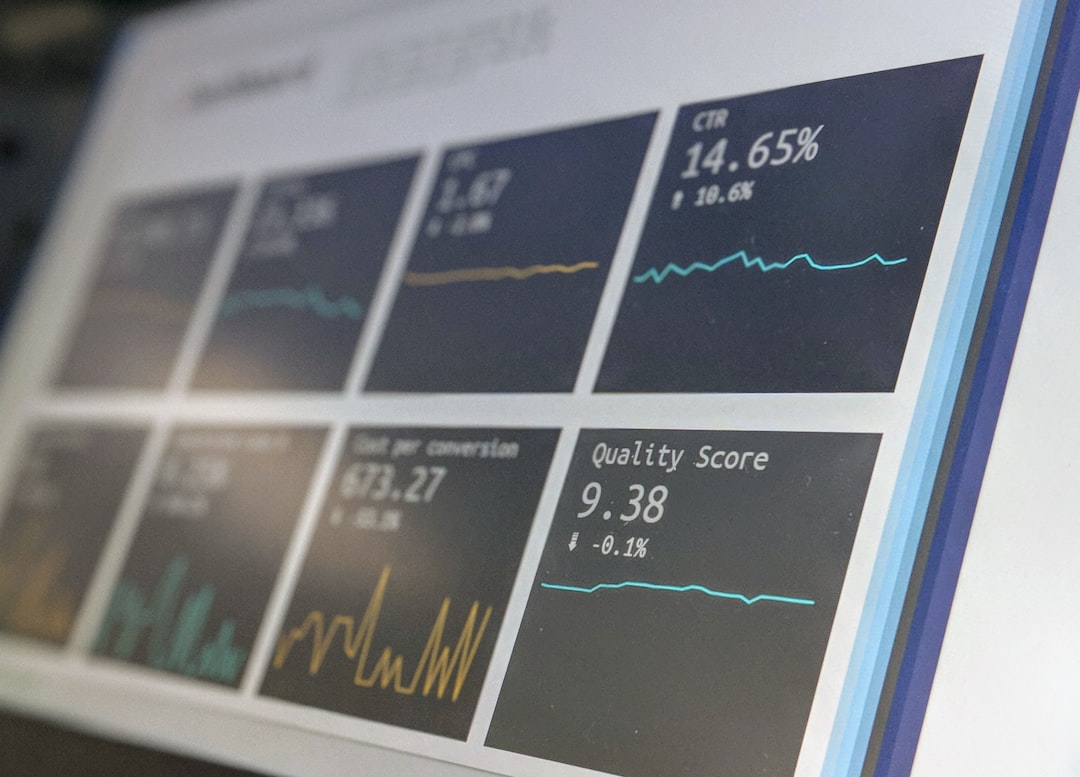
The platform consolidates data from multiple sources, including CRM systems, email, and call activity. By integrating behavioral data with historical performance, Clari surfaces insights that reduce forecast bias and manual spreadsheet dependency.
For organizations with complex sales cycles and board-level reporting requirements, Clari adds a strategic layer beyond traditional CRM forecasting.
5. Outreach
Best for: Sales engagement and automated prospecting workflows.
Outreach is designed to increase productivity and pipeline generation through automated engagement sequences. It ensures consistent follow-ups across channels while tracking engagement metrics in real time.
Core functionality includes:
- Multi-channel outreach automation
- Sequence performance tracking
- Conversation intelligence
- Deal acceleration insights
By automating structured follow-up patterns and analyzing conversation effectiveness, Outreach improves conversion rates at the top and middle of the funnel. This enriched pipeline data contributes to more accurate forecasting downstream.
The tool is particularly effective in high-volume outbound sales environments where consistency and timing significantly impact revenue outcomes.
6. Gong
Best for: Conversation intelligence and actionable sales insights.
Gong captures and analyzes sales conversations across calls, video meetings, and emails. It transforms qualitative interactions into measurable intelligence that identifies risk factors, buying signals, and coachable insights.
Important benefits:
- Deal risk alerts based on conversation data
- AI-generated call summaries
- Performance benchmarking
- Forecast validation insights

By connecting communication behavior to deal outcomes, Gong enhances forecast accuracy. For example, the system can flag deals lacking executive involvement or identify stalled conversations long before they jeopardize projections.
This objective visibility strengthens both frontline coaching and executive-level forecasting discussions.
Comparison Chart of Top Sales Tools
| Tool | Primary Focus | Best For | Forecasting Strength | Automation Level |
|---|---|---|---|---|
| Salesforce Sales Cloud | Enterprise CRM | Large organizations | Advanced AI-driven forecasting | High |
| HubSpot Sales Hub | Inbound and outbound CRM | Mid-sized teams | Real-time weighted forecasting | High |
| Pipedrive | Visual pipeline management | SMBs | Basic revenue projection | Moderate |
| Clari | Revenue intelligence | Enterprise revenue ops | Predictive AI modeling | Very High |
| Outreach | Sales engagement | Outbound teams | Data-informed pipeline contribution | High |
| Gong | Conversation intelligence | Data-driven sales organizations | Forecast validation and risk detection | High |
How to Choose the Right Tool
While each platform offers substantial automation capabilities, selecting the right combination depends on your organization’s maturity, size, and reporting requirements.
Consider the following criteria:
- Pipeline Complexity: Longer sales cycles benefit from AI-driven intelligence platforms like Clari or Gong.
- Team Size: Smaller teams may prefer simplicity and ease of adoption, such as Pipedrive or HubSpot.
- Integration Needs: Enterprise ecosystems often require Salesforce’s customization and extensibility.
- Forecast Accuracy Requirements: Board-level reporting demands predictive modeling beyond standard CRM probability weighting.
Importantly, automation does not eliminate accountability. Even the most advanced tools rely on clean data, disciplined pipeline management, and consistent user engagement. Organizations must establish governance standards alongside implementation to maximize benefits.
The Revenue Impact of Sales Automation
Automating pipelines and forecasting processes produces measurable results:
- Reduced administrative workload
- Improved forecast reliability
- More consistent follow-up and deal progression
- Earlier identification of at-risk opportunities
- Stronger alignment between sales and leadership
When automation replaces manual spreadsheets and subjective reporting, sales leaders gain clarity. They can allocate resources strategically, adjust quotas proactively, and communicate expectations with confidence.
Moreover, improved forecasting builds organizational credibility. Investors, executives, and operational teams rely on forecast stability to guide production, hiring, and budgeting decisions.
Final Thoughts
Sales success increasingly depends on systems rather than individual heroics. The six tools outlined above demonstrate how automation, artificial intelligence, and data consolidation transform pipeline management into a strategic advantage.
Whether implementing a comprehensive CRM like Salesforce, enhancing engagement through Outreach, or refining forecast precision with Clari and Gong, companies that invest in structured automation position themselves for sustained revenue growth.
In today’s competitive landscape, revenue predictability is not optional. It is a core competency—and the right sales tools make it achievable.