
Screaming Frog is still the safest first crawler for most SEO audits, but Sitebulb and JetOctopus often beat it when reporting clarity, cloud crawling, or log analysis matter more than desktop control. A practical starting point is this: Screaming Frog SEO Spider has a free mode that crawls up to 500 URLs, which is enough for small checks but not for serious audits [source: Screaming Frog].
TLDR: Use Screaming Frog when you need a precise technical crawl and do not mind building your own reports. Use Sitebulb when clients or managers need clean visuals and issue explanations. Use JetOctopus when speed, scale, and log data matter. For example, a 75,000 URL ecommerce site may take hours to review in a desktop crawler, while a cloud crawler can help spot indexation waste faster across categories, filters, and product pages.
Where Screaming Frog fits best
Screaming Frog SEO Spider is the tool many technical SEOs open first. It is fast, strict, and packed with useful data. You can crawl titles, meta descriptions, canonicals, status codes, hreflang, structured data, pagination, redirects, images, JavaScript rendering, and more.
Its real strength is control. You can change crawl settings, connect APIs, extract custom data with XPath or regex, and export almost anything. That makes it ideal for consultants, agencies, and in-house SEOs who already know what they are looking for.
The catch is that Screaming Frog can feel cold. It gives you the data, then leaves you to sort the mess. That is fine for senior SEOs. It is not always fine for a marketing manager who wants a clear answer by 3 p.m.
Sitebulb: better for explanations and audit stories
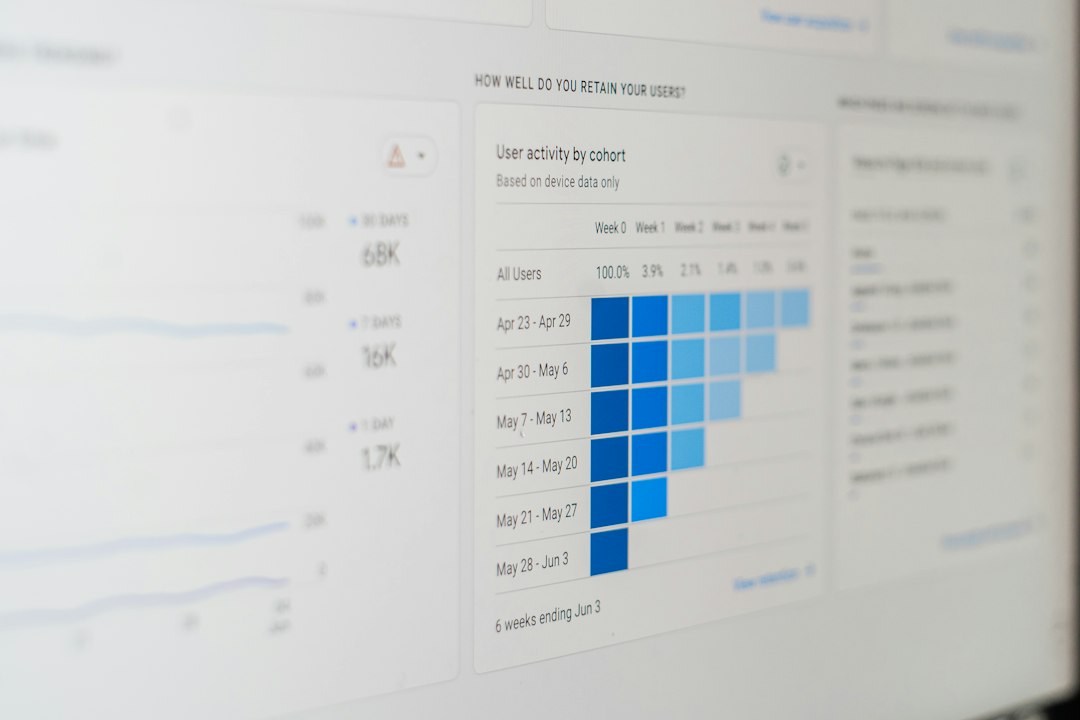
Sitebulb is often easier to present. It turns crawl findings into visual reports, hints, charts, and issue groups. That helps when you need to explain why duplicate titles, orphan URLs, broken links, or poor internal linking are hurting the site.
It also gives useful priority scores. These are not perfect, but they help teams avoid chasing tiny issues while major crawl waste sits untouched. Honestly, it feels like this is where Sitebulb saves the most time. It reduces the need to translate raw crawl data into human language.
Sitebulb suits agencies that send audits to clients. It also suits in-house teams where developers, content leads, and executives all need different levels of detail. The reports look polished without needing hours of spreadsheet work.
- Best for: client reports, visual audits, issue education.
- Weak spot: less flexible than Screaming Frog for custom extraction and advanced one-off checks.
- Good match: teams that need clear next steps, not just raw exports.
JetOctopus: stronger for scale and logs
JetOctopus is built for big sites. It is cloud based, so you are not as limited by a laptop, memory, or office Wi-Fi. This matters for news sites, ecommerce stores, marketplaces, and sites with millions of URLs.
Its log analysis is a major reason to consider it. You can see how search engine bots behave on the site. That means you can compare what Googlebot crawls against what your crawler finds. If bots waste 38% of crawl activity on filtered URLs, old tags, or useless parameters, that is a real technical SEO problem.
JetOctopus also helps with indexation patterns. You can group pages by template, depth, status code, canonical tag, and organic performance. This makes it easier to spot sections that should not be indexed, or pages that need stronger internal links.
How they compare in real SEO work
No crawler is “best” in every case. The right choice depends on the job.
- For a 300 page business site: Screaming Frog is usually enough. The free version may even cover the first pass.
- For a 5,000 page content site: Sitebulb may be better if you need a clear audit for writers, editors, and managers.
- For a 500,000 URL ecommerce site: JetOctopus is usually the better fit, especially if crawl budget and logs are part of the problem.
- For deep technical checks: Screaming Frog wins when you need custom extraction, API blends, and manual control.
If your site is built with JavaScript, crawling alone may not tell the full story. Rendering can change what search engines see. For related technical fixes, this guide to Angular SEO best practices is useful, especially when pages depend on client-side rendering.
Common annoyances to expect
Screaming Frog can become export-heavy. Expect to waste time on spreadsheets if the audit is large. Sitebulb can feel a bit guided, which is helpful until you want something very specific. JetOctopus has more setup work, especially when logs, segments, and crawl rules need to be correct.
Pricing also matters. Screaming Frog is usually the most affordable for individual consultants. Sitebulb can justify its cost through better reporting. JetOctopus makes the most sense when the site is large enough for cloud crawl speed and log analysis to pay off.
What to choose
Choose Screaming Frog if you want a precise crawler and you know how to read the results. Choose Sitebulb if reporting quality matters as much as crawl detail. Choose JetOctopus if your site has serious scale, crawl budget issues, or messy logs.
For agencies comparing broader technical SEO workflows, this review of technical SEO and organic growth services gives useful context. And if rendering is the core issue, compare options in this guide to AngularJS SEO with prerendering.
The practical answer: keep Screaming Frog as the daily technical crawler. Add Sitebulb when communication matters. Add JetOctopus when site size, logs, and crawl waste start costing real traffic.