
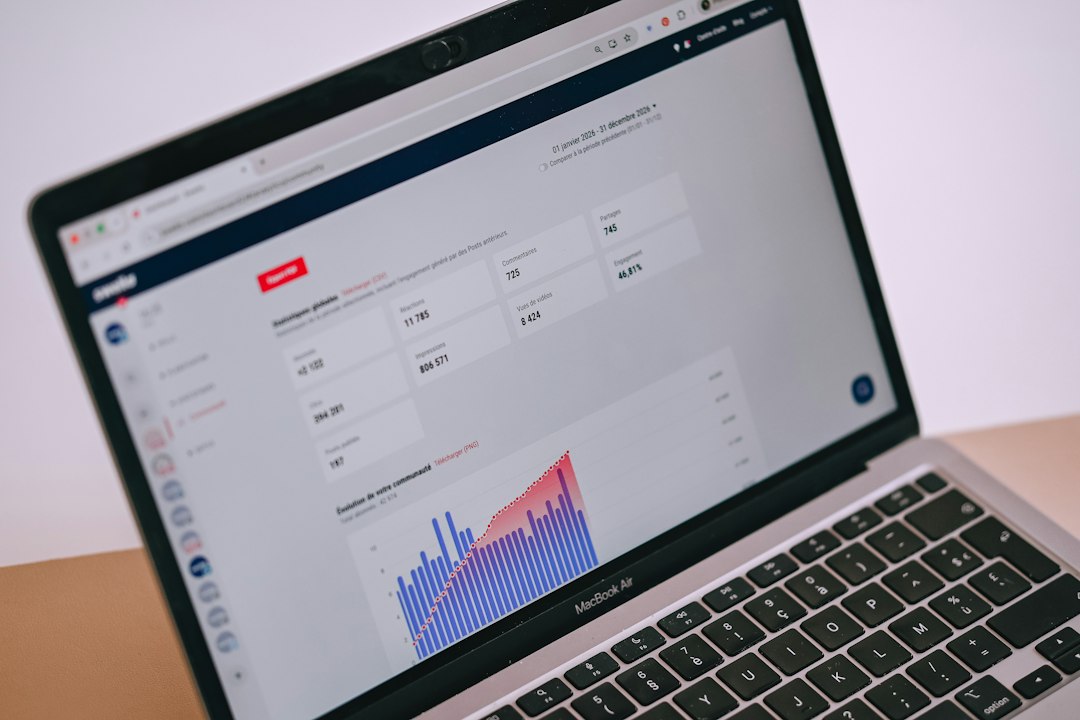
Brandwatch is usually the stronger pick for deep emoji tracking tied to audience behavior, while Talkwalker is often better for broad media coverage and faster visual reporting. For teams tracking brand mentions, sentiment shifts, and emoji trends across social channels, the best choice depends on whether they need richer consumer research or wider monitoring across social, news, blogs, forums, and visual content.
TLDR: Brandwatch suits brands that want to study how emojis change meaning by audience, region, topic, or campaign. Talkwalker suits teams that need broad mention tracking with clean dashboards and quick alerts. For example, a beverage brand tracking 25,000 monthly mentions might find that posts using 😂 drive 18% more engagement, while 😡 appears in only 4% of mentions but creates 31% of negative sentiment spikes. That kind of split can change how a team responds during a product launch or crisis.
Why Emoji Tracking Matters for Brand Mentions
Emojis are not decoration anymore. They carry mood, sarcasm, humor, anger, and cultural context. A post that says “Great service 🙃” may not mean great service at all. A tool that reads only the words can miss the real message.
For brand monitoring, emoji tracking helps teams answer practical questions:
- Which emojis appear most often with the brand name?
- Do positive emojis match positive text sentiment?
- Are negative emojis increasing after a campaign, outage, or price change?
- Which emojis are linked to high engagement?
- Do different markets use emojis in different ways?
This is where Brandwatch and Talkwalker both help, but in different ways.
Brandwatch for Emoji Tracking
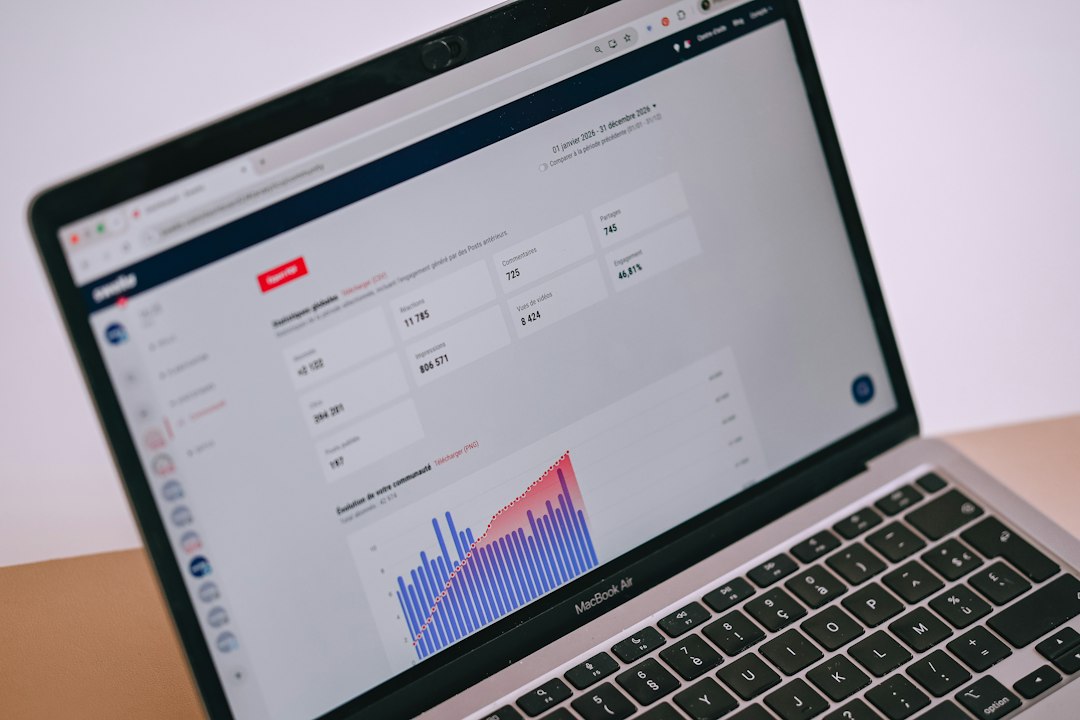
Brandwatch is known for strong social listening, consumer intelligence, segmentation, and historical data analysis. It works well for teams that want to study meaning, not just volume.
For emoji tracking, Brandwatch can help analysts group mentions by emoji use, compare sentiment, filter by source, and study topic clusters. This is useful when emojis are part of a bigger research question. For example, a sportswear brand may want to know whether 🔥 means product excitement, athlete praise, or hype around a limited drop.
Best uses for Brandwatch include:
- Campaign analysis: measuring which emojis rise during product launches.
- Audience segmentation: comparing Gen Z emoji use with older customer groups.
- Sentiment research: checking whether emojis support or contradict text sentiment.
- Trend discovery: finding fast-rising symbols before they hit wider use.
- Competitive tracking: comparing emoji usage across rival brands.
The catch is that Brandwatch can feel heavy for simple monitoring. Analysts may need extra setup time to build rules, refine queries, and clean noisy mentions. Honestly, it can feel annoying when one odd emoji variant or spam cluster throws off a neat chart and needs manual fixing.
Talkwalker for Emoji Tracking
Talkwalker is strong at broad monitoring, quick reporting, and coverage across many source types. It is often used by communications teams, PR teams, and brand managers that need alerts and easy-to-read dashboards.
For emoji trends, Talkwalker can track emoji use in brand mentions, show sentiment changes, and connect those patterns to wider conversations. It is especially useful when emoji tracking sits beside media monitoring, influencer tracking, visual listening, and reputation alerts.
Best uses for Talkwalker include:
- Real-time alerts: catching sudden spikes in angry or mocking emoji use.
- PR monitoring: linking emoji reactions to news coverage and public feedback.
- Executive reporting: creating simple charts for non-technical stakeholders.
- Reputation tracking: spotting shifts around service issues or public statements.
- Cross-channel monitoring: comparing social, news, blog, and forum signals.
Talkwalker can be easier for teams that do not want to spend days building complex research workflows. Still, its broader setup may feel less precise for deep emoji meaning. A team may see that 😍 is rising, but still need extra analysis to learn whether users love the product, the influencer, the packaging, or the meme attached to the post.
Brandwatch vs Talkwalker: Main Differences
| Category | Brandwatch | Talkwalker |
|---|---|---|
| Best fit | Consumer insights and detailed research | Media monitoring and fast reporting |
| Emoji analysis depth | Strong for segmentation and topic context | Strong for trend visibility and alerts |
| Ease of use | More setup needed | Usually faster to present |
| Reporting | Detailed and research-focused | Clear and stakeholder-friendly |
| Common users | Research, insights, social intelligence teams | PR, communications, brand, and marketing teams |
Which Tool Handles Sentiment Better?
Emoji sentiment is tricky. A heart can signal love, sympathy, irony, or support during a crisis. A skull emoji can mean something is funny, shocking, or offensive. No platform gets every context right without human review.
Brandwatch tends to be stronger when teams need to inspect context in detail. It helps analysts slice mentions by audience, topic, and conversation type. This matters when emojis have mixed meaning.
Talkwalker is strong when teams need to detect spikes and report them quickly. If negative emoji use jumps after a bad customer experience goes viral, Talkwalker can help teams spot that change and send it to decision-makers fast.
For high-risk topics, neither platform should be left on autopilot. Human review still matters. It drives analysts crazy for good reason: a sarcastic post with “amazing job 😒” can still fool automated sentiment if the text and emoji are not weighed correctly.
Use Case: Product Launch Tracking
A beauty brand launches a new lipstick line. The social team tracks mentions for two weeks. Brandwatch shows that 💄, 😍, and ✨ dominate positive posts, while 😬 and 😡 appear in complaints about shipping delays. It also shows that posts with ✨ receive 22% more shares among younger audiences.
Talkwalker, in the same case, helps the PR team see that emoji-heavy conversation peaks after three influencer posts and one negative news mention. The dashboard shows a 40% rise in total mentions within 48 hours. Alerts flag the shipping complaints before they spread across forums and review sites.
Both tools help. They just solve different parts of the problem.
When Brandwatch Is the Better Choice
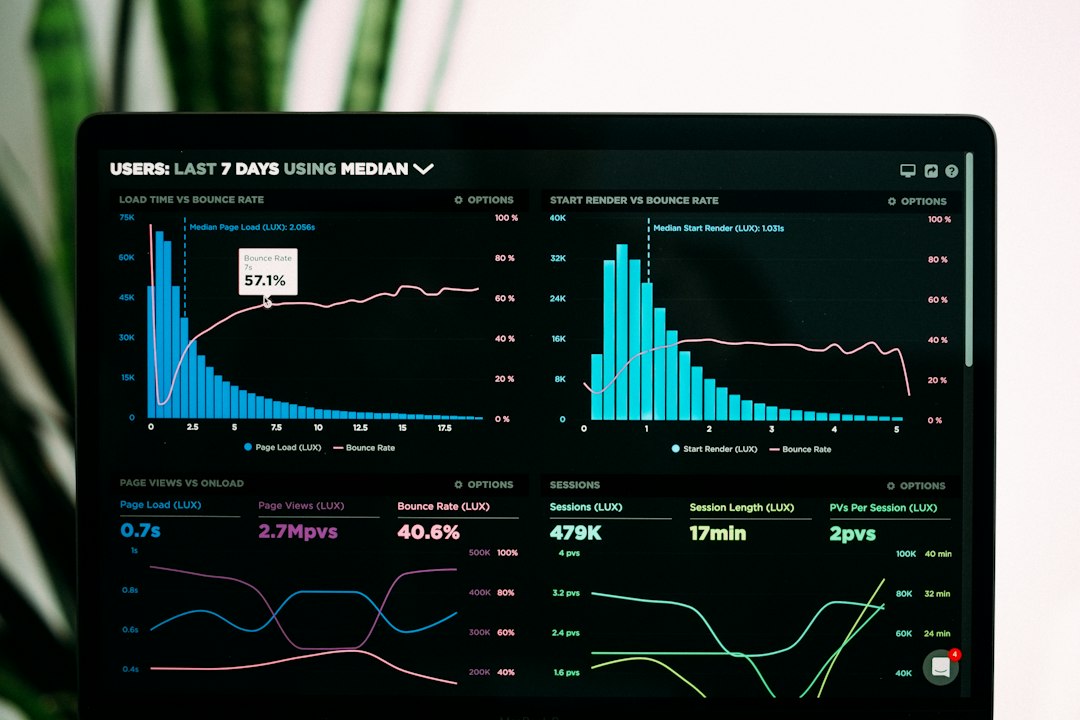
Brandwatch is the better option when a company wants richer analysis behind emoji use. It fits teams asking “why” and “who,” not only “how many.” It is useful for brands with large mention volumes, many customer segments, and frequent campaigns.
Choose Brandwatch if the team needs to:
- Study emoji behavior by demographic or region.
- Connect emoji trends to purchase intent or brand perception.
- Build detailed social listening queries.
- Track long-term shifts in consumer language.
- Compare emojis across competing brands.
When Talkwalker Is the Better Choice
Talkwalker is the better option when speed, coverage, and reporting matter most. It fits teams that need to spot public reaction fast and share clear summaries with leadership.
Choose Talkwalker if the team needs to:
- Monitor emoji spikes across social and media channels.
- Create simple dashboards for PR or executives.
- Track reputation risks in near real time.
- Combine emoji data with news, blogs, and forums.
- Send alerts when negative reactions rise.
Final Verdict
Brandwatch is best for deep emoji intelligence. It suits teams that want to understand the meaning behind emoji use and connect it to audience behavior. Talkwalker is best for broad monitoring and fast reporting. It suits teams that need a quick view of brand mentions, sentiment shifts, and emoji-led reactions across many sources.
For larger brands, the smartest choice may come down to team structure. Research teams often get more value from Brandwatch. PR and communications teams may prefer Talkwalker. The right platform is the one that turns emojis from noisy symbols into clear brand signals.
FAQ
Can Brandwatch and Talkwalker track emojis in brand mentions?
Yes. Both platforms can help track emojis in social conversations and brand mentions. The depth of analysis depends on setup, sources, filters, and reporting needs.
Which tool is better for emoji trend analysis?
Brandwatch is usually better for deep trend analysis and audience segmentation. Talkwalker is better for fast trend visibility and broad monitoring.
Can emoji tracking improve sentiment analysis?
Yes, but it requires care. Emojis add emotional context, yet they can also be sarcastic or culture-specific. Human review is still useful for major reports.
Which platform is easier for PR teams?
Talkwalker is often easier for PR teams because its dashboards, alerts, and reports are built for quick communication and media monitoring.
Which platform is better for consumer insights teams?
Brandwatch is often better for consumer insights teams because it supports deeper filtering, segmentation, and long-term research into audience behavior.