DolphinRadar is best viewed as a focused maritime tracking option, while MarineTraffic remains the broader benchmark for global AIS coverage, historical vessel data, and commercial fleet visibility. If your main need is quick vessel lookup, clean map viewing, and practical monitoring, DolphinRadar may feel lighter and faster. If you need deep archive access, port intelligence, voyage history, and mature enterprise tools, MarineTraffic is still hard to beat.
TLDR: DolphinRadar suits users who want a simpler maritime tracking workflow without digging through too many menus. MarineTraffic is stronger for analysts, insurers, brokers, and operations teams that need wider data depth. For example, a small logistics office tracking 18 vessels daily may save 20 to 30 minutes per shift with a cleaner interface, while a commercial chartering team may still need MarineTraffic for five year movement history and destination patterns.
What DolphinRadar Is Trying to Solve
Maritime tracking tools are built around AIS data, the Automatic Identification System used by ships to broadcast identity, position, speed, course, and voyage details. The value is not just seeing a dot on a map. The value comes from how quickly a user can answer basic questions:
- Where is the vessel right now?
- Has it slowed, stopped, or changed course?
- When might it arrive?
- What ship is near a port, anchorage, or offshore asset?
- Can the data be trusted enough for an operational decision?
DolphinRadar appears to aim at the middle ground between casual ship spotting and professional tracking. That matters. Some users do not need a giant data terminal. They need speed, clarity, and fewer clicks. Honestly, it feels like some tracking platforms forgot that checking a vessel position should not take six screens and a coffee break.
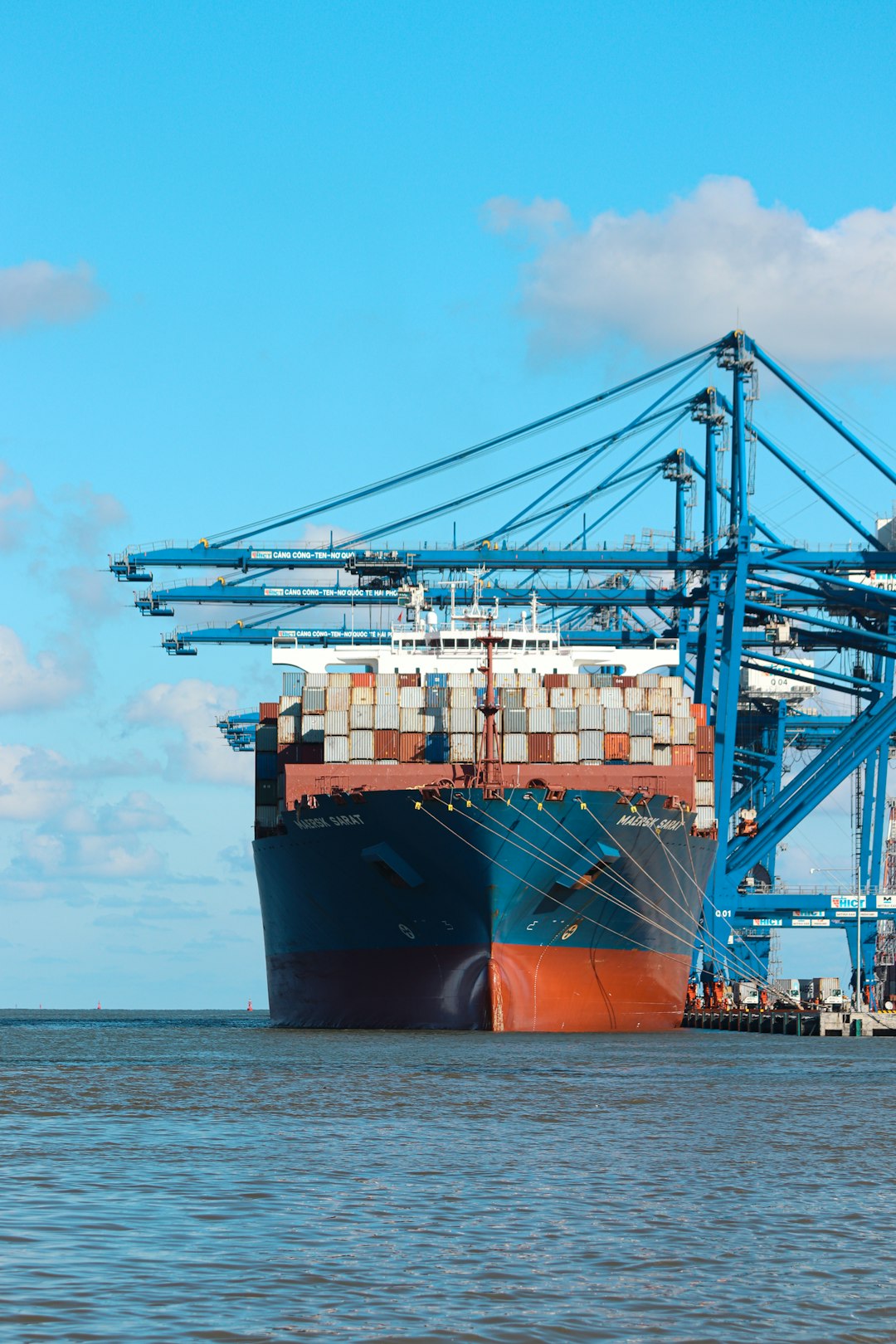
DolphinRadar vs MarineTraffic
MarineTraffic is the established name. It has strong global recognition, a large AIS receiving network, satellite AIS options, vessel profiles, port information, voyage history, fleet tools, and commercial data services. It is used by shipping companies, commodity traders, insurers, journalists, security teams, and port related businesses.
DolphinRadar, by comparison, should be judged on usability and fit. If it offers a cleaner vessel search, faster map response, and an interface that does not bury routine actions, that can be a real advantage for smaller teams. A marine surveyor, yacht manager, small port agent, or coastal operator may value speed more than a long feature list.
The gap usually appears in data depth. MarineTraffic has years of refinement behind it. Its paid tools can support serious research, including historical tracks, port call analysis, fleet monitoring, and API based integrations. DolphinRadar may be easier to use, but buyers should check coverage, latency, satellite AIS access, alert rules, export options, and support before moving critical work to it.
Core Comparison
| Category | DolphinRadar | MarineTraffic |
|---|---|---|
| Best fit | Quick tracking, casual to light professional use | Professional monitoring, analytics, global vessel intelligence |
| Interface | Potentially simpler and easier for daily checks | Feature rich, but can feel crowded |
| Historical data | Must be verified by plan | Strong, especially in paid tiers |
| Coverage | Depends on terrestrial and satellite AIS sources | Broad global coverage with mature network |
| Enterprise use | Possible if API and data terms are strong | Well suited to large scale commercial use |
Where DolphinRadar Can Win
DolphinRadar can win when the user needs simple visibility. Small teams often have limited time. A dispatcher may just need to confirm whether a feeder vessel has left port. A marina manager may need to check incoming yacht traffic. A family member may want to follow a cruise ship without learning a professional system.
Speed matters here. If DolphinRadar can reduce a vessel lookup from 45 seconds to 15 seconds, that sounds minor until it happens 80 times per day. That is 40 minutes saved. Over a month, it becomes real working time.
The platform may also appeal if it keeps map tools clean. Too many overlays can slow users down. Weather, ports, routes, fleet labels, risk layers, photos, and commercial popups are useful in the right setting. They are annoying when all you want is position, speed, and ETA.

Where MarineTraffic Still Leads
MarineTraffic has scale. That is its biggest strength. The platform benefits from a large user base, historic records, vessel photos, port pages, route details, and extensive AIS sourcing. For serious maritime due diligence, that depth matters.
A shipbroker checking vessel behavior needs more than current position. They may need port call frequency, idle time, draft changes, ownership clues, and historical patterns. An insurer may want to review whether a vessel entered a high risk region. A commodity analyst may study load and discharge activity near export terminals. For these users, MarineTraffic gives more raw material.
The tradeoff is complexity. Expect to waste time on filters, account limits, and plan restrictions if you are not already familiar with the product. That does not make it bad software. It means the platform serves many user types at once, and not every screen feels built for speed.
Other Maritime Tracking Platforms Worth Comparing
VesselFinder is often the closest general alternative to MarineTraffic. It offers live vessel tracking, port calls, photos, and AIS based ship search. Many casual users like its straightforward map and vessel pages. Paid features extend its value, though professional analytics may still vary by package.
FleetMon is more business oriented. It supports vessel databases, AIS tracking, fleet lists, data services, and maritime intelligence. It can be useful for companies that need structured data rather than only map viewing.
Spire Maritime is a data heavy provider, known for satellite AIS and maritime data feeds. It is less about casual browsing and more about feeding reliable vessel data into business systems, compliance tools, and analytics products.
exactEarth, now part of Spire, has also been associated with satellite AIS services. For offshore tracking and open ocean visibility, satellite AIS is often the deciding factor. Terrestrial AIS works best near coastlines and receiver stations. Satellite AIS fills many gaps, though it can cost more and may have reporting delays.
Data Accuracy and Coverage
No AIS platform is perfect. AIS messages can be delayed, missing, duplicated, or incorrect. Ships may enter wrong destinations. Some vessels turn AIS off, even when they should not. Small craft may not transmit at all. Dense port areas can create signal collisions. Open ocean visibility depends heavily on satellite AIS access.
For that reason, DolphinRadar, MarineTraffic, and every other tracking platform should be treated as decision support, not absolute truth. For safety critical use, confirm with port authorities, vessel operators, VTS centers, agents, or official notices.
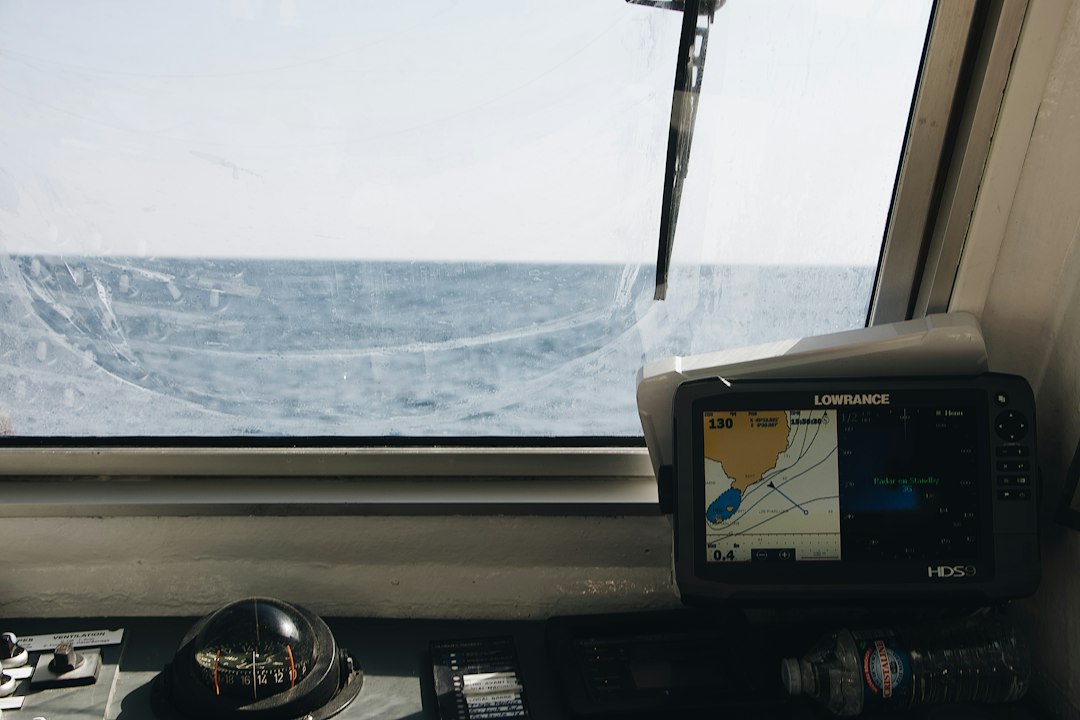
Which Platform Should You Choose?
- Choose DolphinRadar if you want a clean tool for frequent vessel checks, simple monitoring, and a shorter learning curve.
- Choose MarineTraffic if you need global recognition, stronger history, port intelligence, fleet features, and deeper commercial analysis.
- Choose VesselFinder if you want a familiar alternative for general vessel lookup and live AIS viewing.
- Choose FleetMon or Spire if your company needs structured maritime data, APIs, or professional data feeds.
The safest approach is to test platforms against the same vessel list. Pick 25 ships you care about. Include coastal vessels, deep sea cargo ships, tankers, passenger ships, and offshore units. Compare position freshness, ETA quality, port call detail, map speed, alert setup, and export options for seven days. The winner will be obvious for your use case.
Final view: DolphinRadar can be a serious option if it delivers clean tracking, reliable updates, and fair pricing. MarineTraffic remains the stronger all around platform for professional maritime intelligence. The right choice depends less on brand name and more on the work you do every day.