

A daily thread is a scheduled, repeatable series of connected social posts built around one useful idea, question, lesson, or update. It gives your audience a reason to return, while giving your content team a simple format to follow every day. The goal is not to post more noise. The goal is to create a reliable habit around a topic your audience already cares about.
TLDR: A daily thread is a short sequence of related posts published on a set schedule, usually once per day, to build steady engagement. For example, a fitness coach might post “Daily 5 Minute Mobility” every morning with one tip, one video, and one question. If 2,000 followers see the thread and 6% comment, save, or share, that creates about 120 meaningful interactions from one repeatable format. The best daily threads use a clear hook, useful body content, and a simple call to action.
What Is a Daily Thread?
A daily thread is a recurring content format made of connected posts. On X, it may be a chain of posts under one opening post. On LinkedIn, it may be a daily text post with numbered points. On Instagram, it may appear as a carousel, Story sequence, or caption series. On Meta Threads, it may be a short conversational post followed by replies that expand the idea.
The format matters less than the habit. A daily thread tells your audience, “You can expect this kind of value from us at this time.” That expectation is powerful. It reduces friction. People know what they are getting.
Good daily threads often fall into a few categories:
- Educational: one lesson, framework, or tip per day.
- Behind the scenes: daily progress, builds, notes, or decisions.
- Curated: useful links, trends, examples, or industry updates.
- Community based: daily questions, prompts, polls, or feedback requests.
- Accountability based: daily wins, progress logs, or public challenges.

Why Daily Threads Work
Daily threads work because they reduce decision fatigue for both sides. Your team does not need to reinvent the content plan every morning. Your audience does not need to guess whether your post is worth reading.
They also help algorithms read user behavior. If people consistently reply, save, share, or click on a recurring format, the platform sees a pattern. That does not promise reach. No serious marketer should promise that. But it does improve your chance of consistent visibility.
Consistency also builds memory. A single post may be ignored. A repeated format becomes familiar. Familiar content is easier to trust, especially when it keeps proving useful.
The catch is that daily threads can become empty very quickly. A weak thread with a catchy name is still weak content. If the post exists only because the calendar says so, people can tell.
How to Structure a Daily Thread
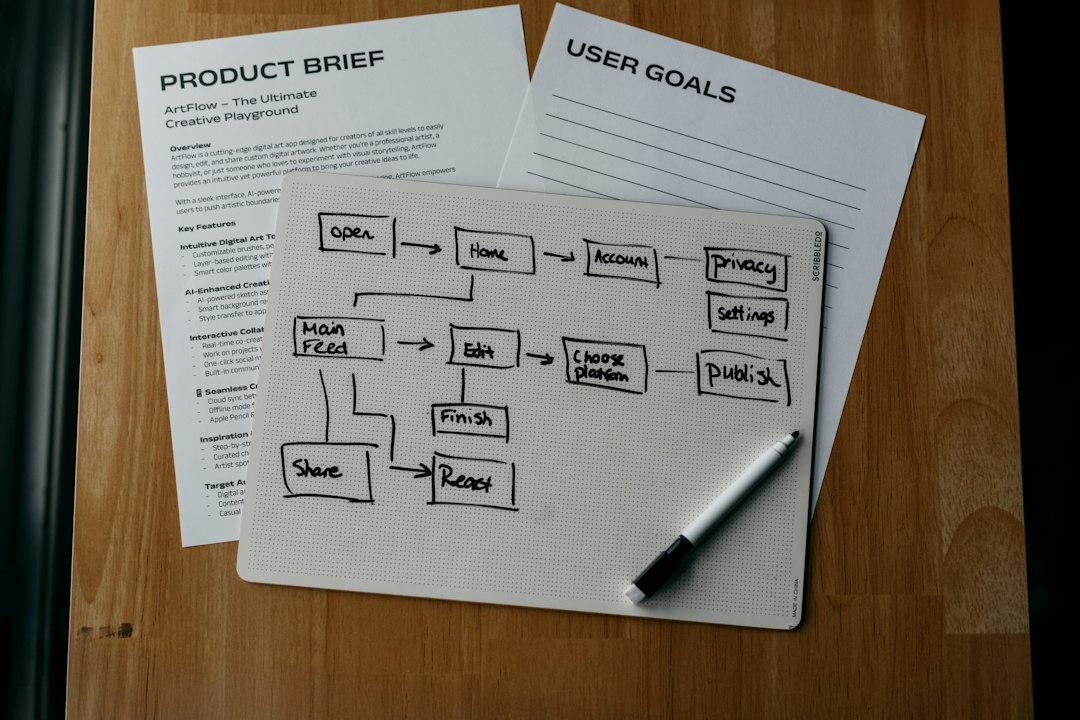
A strong daily thread needs a repeatable structure. Keep it simple enough to use under pressure. Complex systems die when the week gets busy.
-
Start with a clear hook.
The first line should tell people why they should stop. Avoid vague openings. Use a promise, question, mistake, result, or strong opinion.
Weak: “Some thoughts on email marketing.”
Better: “Most welcome emails lose readers in the first 8 seconds. Here is how to fix that.”
-
Deliver one main idea.
Do not cram five topics into one daily thread. Pick one point and explain it well. If there are related ideas, save them for future days.
-
Use a predictable flow.
A useful thread often follows this order: problem, insight, example, action. This keeps the reader moving without feeling pushed.
-
Add proof or context.
Use numbers, screenshots, quotes, customer behavior, or clear examples. Claims feel thin without support.
-
End with a specific prompt.
Ask for one action. Not five. A good prompt might be: “What is one metric you check every Monday?” or “Reply with your current subject line and I will suggest one edit.”
A Practical Daily Thread Template
Use this structure if you are starting from zero:
- Line 1: State the problem or promise.
- Line 2: Explain why it matters.
- Lines 3 to 6: Give the core advice, broken into short points.
- Line 7: Add an example, number, or quick story.
- Final line: Ask one question or invite one response.
For example:
“Most small brands post daily but still get weak engagement. The issue is usually not frequency. It is unclear value. Try this: choose one audience pain point, answer it in 4 short points, use one real example, then ask readers what they would add. Yesterday, this format raised replies from 14 to 39 on a 9,000 follower account.”
How to Choose Topics That Keep Working
Topic choice decides whether your daily thread becomes useful or annoying. Start with questions your audience already asks. Pull from sales calls, support tickets, comments, search queries, reviews, and competitor posts.
Build a simple topic bank with four columns:
- Audience problem: What are they stuck on?
- Daily angle: What can you explain in one short thread?
- Proof: What example, number, or source supports it?
- Prompt: What response do you want?
Honestly, it feels like many scheduling tools make this harder than it should be. You paste a thread, check the preview, fix spacing, then lose another 20 seconds because the numbering breaks or the link preview looks wrong. Build a review step into your process. Small formatting errors hurt trust.
How to Use Threads for Consistent Engagement
Engagement is not just likes. Likes are easy to count, but they are not always useful. Track replies, saves, shares, profile visits, link clicks, and direct messages. Those actions show deeper interest.
Use a simple weekly review. Look at:
- Reply rate: replies divided by impressions.
- Save or bookmark rate: a sign of practical value.
- Share rate: a sign the post helps someone look informed.
- Follower growth: useful, but not the only goal.
- Conversion action: clicks, signups, calls booked, or purchases.
If a daily thread gets 10,000 impressions and 300 total engagements, the engagement rate is 3%. If another gets only 4,000 impressions but drives 80 profile visits and 12 newsletter signups, it may be the stronger business asset. Do not judge every post by reach alone.
Common Mistakes to Avoid
- Posting without a clear audience. A thread for “everyone” usually lands with no one.
- Making every thread promotional. Sell sometimes. Help far more often.
- Using vague prompts. “Thoughts?” is weak. Ask a sharper question.
- Skipping replies. A thread is not finished when it is published. The comment section is part of the content.
- Changing format too often. Give a series time to become familiar before judging it.
A Simple 30 Day Plan
For the first 30 days, keep the system tight. Pick one theme, one format, and one posting time. Publish daily. Respond to comments within the first hour when possible. At the end of each week, review the numbers and save your best performing openings.
Days 1 to 7 should test hooks. Days 8 to 14 should test prompts. Days 15 to 21 should test examples and proof. Days 22 to 30 should repeat the strongest patterns. This gives you enough data to make useful changes without guessing every day.
A daily thread is not magic. It is a disciplined publishing system. When it is clear, useful, and measured, it can turn scattered posting into steady audience contact. That is where real social media engagement starts to compound.