

Woblogger SEO should start with clean site structure, search intent, and repeatable publishing habits. A Woblogger site gains visibility when each post answers one clear query, loads quickly, uses strong internal links, and gives search engines clean signals through titles, headings, schema, and image text.
TLDR: Woblogger SEO works best when each article targets a specific keyword group, loads in under 2.5 seconds, and connects to related posts through internal links. For example, a small recipe blog on Woblogger could raise organic clicks by 38% in 90 days by updating 25 old posts, adding FAQ schema, and compressing images by 60%. The fastest wins usually come from fixing title tags, improving weak introductions, and adding missing links between related posts.
What Woblogger SEO Really Means
Woblogger SEO is the process of improving a Woblogger website so that search engines can crawl, read, rank, and display its content more often. It covers content planning, keyword targeting, technical setup, page speed, on-page formatting, links, and performance tracking.
The aim is not to trick search engines. The aim is to make each page useful, clear, and easy to understand. Search engines reward pages that solve a problem better than competing pages. That sounds simple. The catch is that small errors stack up fast.
A slow homepage, weak titles, duplicate content, and orphaned posts can hold back even strong articles. It drives site owners crazy that one missing internal link can keep a useful post buried for months.
Build the Right Keyword Strategy
Every Woblogger SEO plan should begin with keyword research. A site owner should group keywords by intent, not just by search volume. Search intent shows what the searcher wants to do.
- Informational intent: The user wants an answer, guide, checklist, or explanation.
- Commercial intent: The user compares tools, services, products, or methods.
- Transactional intent: The user is ready to buy, subscribe, download, or contact.
- Local intent: The user wants a nearby service or location-based result.
A Woblogger blog should not chase only broad keywords. Phrases such as “SEO tips” are crowded and vague. A better target may be “SEO checklist for handmade product blogs” or “best internal linking strategy for beginner bloggers”. These phrases may bring fewer searches, but they often bring better visitors.
Create Content Clusters
Content clusters help Woblogger sites show authority. A cluster includes one broad pillar page and several related support posts. Each support post links back to the pillar page. The pillar page links to each support post.
For example, a site about small business blogging may create a pillar page called “Small Business Blog SEO Guide”. Support posts could include:
- How to write SEO titles for service pages
- Blog post ideas for local businesses
- How to improve image SEO
- Simple internal linking rules
- How to track blog traffic in analytics
This structure helps readers move through related content. It also helps search engines understand topic depth. Random publishing rarely works as well.

Improve On-Page SEO
On-page SEO controls how each Woblogger page communicates its topic. The basics still matter because search engines still read structure.
- Use one clear H1: The page title should match the main topic.
- Write useful title tags: Keep them clear, specific, and under about 60 characters when possible.
- Create persuasive meta descriptions: They may not directly raise rankings, but they can improve clicks.
- Use short URLs: A URL such as /woblogger-seo-checklist is better than a long string of filler words.
- Add descriptive image alt text: Alt text should explain the image, not stuff keywords.
- Answer the query early: Searchers should not wait five paragraphs for the main point.
Woblogger articles should also use short paragraphs, helpful subheadings, bullet lists, and examples. Dense blocks of text push readers away. When readers leave fast, performance can suffer.
Fix Technical SEO Issues
Technical SEO can feel dull, but it often decides whether content gets a fair chance. A Woblogger site should have a clean XML sitemap, working robots.txt settings, HTTPS, mobile-friendly layouts, and no broken links.
Page speed needs special attention. Large images are a common problem. A banner image that is 4 MB can slow a post by several seconds. Compressing images, using modern formats, and limiting heavy scripts can improve load times fast.
Core Web Vitals also matter. The site owner should watch:
- LCP: How fast the main content loads.
- INP: How quickly the page responds to interaction.
- CLS: How much the layout shifts while loading.
Honestly, it feels like some plugins add three clicks and ten seconds to simple edits that should take one click. If a plugin slows the site or adds clutter, it should earn its place.
Use the Right SEO Tools
No tool can replace judgment, but the right tools save hours. A Woblogger SEO workflow may include:
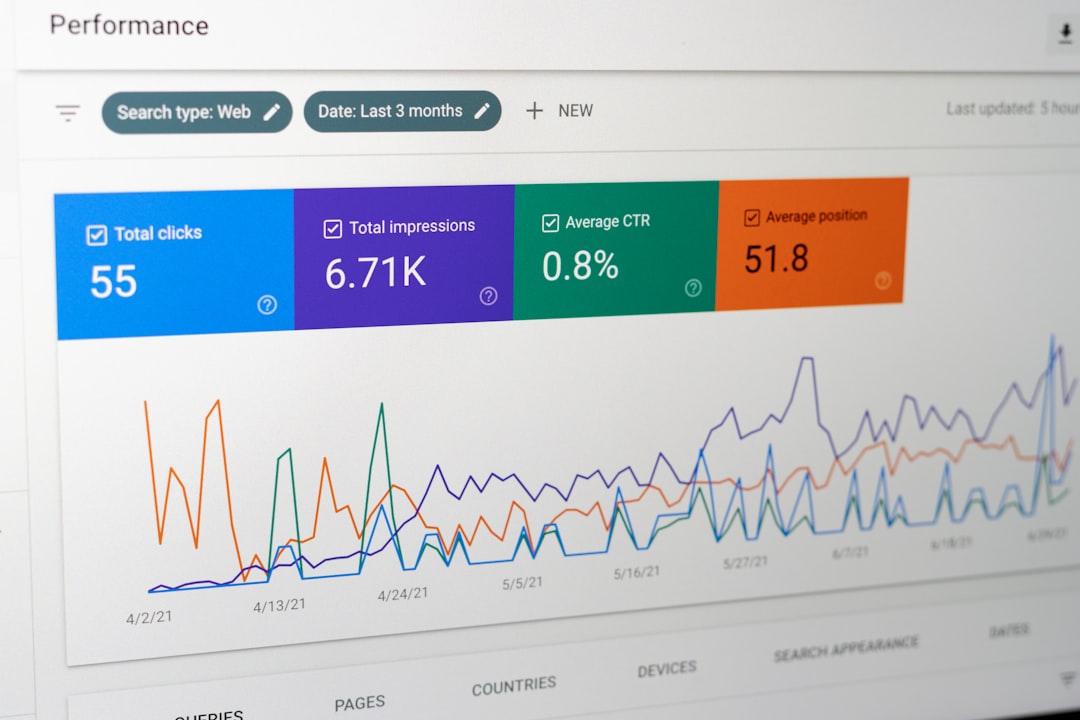
- Google Search Console: Tracks impressions, clicks, indexing issues, and query data.
- Google Analytics: Shows traffic sources, engagement, conversions, and user behavior.
- PageSpeed Insights: Finds speed and Core Web Vitals issues.
- Screaming Frog SEO Spider: Audits broken links, redirects, headings, titles, and duplicates.
- Ahrefs or Semrush: Researches keywords, backlinks, competitors, and content gaps.
- Surfer SEO or Clearscope: Helps compare content depth against ranking pages.
Tool data should guide decisions, not control them. If a keyword tool says a topic has low volume but customers ask about it often, the topic may still deserve a page.

Strengthen Internal Linking
Internal links are one of the most useful Woblogger SEO habits. They help readers find related posts and help search engines discover pages. Each new post should link to older relevant posts. Older posts should also be updated to link to the new post.
Anchor text should be descriptive. “Read more” is weak. “Woblogger image SEO checklist” gives more context. Still, anchors should sound natural. Repeating the same anchor dozens of times looks forced.
Earn Better Backlinks
Backlinks remain a strong ranking signal. Woblogger sites can earn links through original research, expert quotes, guest contributions, useful templates, and strong visual assets.
A small blog can also build links by creating niche resources. A calculator, checklist, glossary, or survey report can attract links over time. Quality matters more than volume. Ten useful links from relevant sites can beat hundreds of weak directory links.
Track Results and Keep Improving
SEO is not a one-time setup. A Woblogger site should review performance every month. The team should check which pages gained clicks, which pages lost rankings, and which queries show high impressions but low click-through rates.
Posts with declining traffic may need fresh examples, clearer headings, better media, new statistics, or stronger internal links. Posts ranking on page two may need more detail or better search intent matching. Small edits can produce strong gains when the page already has visibility.
FAQ
What is Woblogger SEO?
Woblogger SEO is the process of improving a Woblogger site so it can rank higher in search results, attract organic traffic, and turn readers into subscribers, leads, or customers.
How long does Woblogger SEO take?
Most sites need 3 to 6 months to see steady gains. Some technical fixes can help within weeks, but content and authority take longer.
What is the best first step?
The best first step is an SEO audit. The site owner should check indexing, speed, titles, headings, broken links, and top pages in Google Search Console.
How often should a Woblogger blog publish?
Quality matters more than frequency. One strong post per week can beat five rushed posts. Each article should serve a clear search intent.
Do backlinks matter for Woblogger SEO?
Yes. Relevant backlinks help build authority. The safest approach is to earn them through useful content, original data, partnerships, and expert resources.
Can old posts improve rankings?
Yes. Updating old posts is often faster than writing new ones. Better titles, fresh details, stronger links, and improved formatting can raise traffic without starting from zero.