
Choosing a restaurant POS system is no longer just about processing payments. A modern platform must help restaurants manage orders, staff, inventory, loyalty, online ordering, reporting, and customer experience across dine-in, takeout, delivery, and multi-location operations.
TLDR: For full-service restaurants and enterprise groups, Aloha POS is a mature and highly customizable option. Toast is often the strongest all-around restaurant-first platform, while Square is best for smaller restaurants, cafés, and quick-service concepts that want simplicity. Lightspeed works well for growing restaurants that need detailed inventory and analytics; for example, a busy bistro processing 1,200 weekly orders may save hours each week by combining table management, menu reporting, and automated stock tracking in one system.
What Makes a Great Restaurant POS System?
The best restaurant POS system should match the restaurant’s size, service model, budget, and operational complexity. A small coffee shop may need fast checkout and simple tipping, while a multi-location restaurant group may require enterprise reporting, kitchen display systems, loyalty programs, and advanced permission controls.
Key features to compare include:
- Ease of use: Servers and cashiers should learn the system quickly.
- Restaurant workflows: Table management, coursing, modifiers, split checks, and kitchen routing matter.
- Hardware reliability: Terminals, handhelds, printers, and kitchen displays must work under pressure.
- Payment processing: Fees, contracts, and flexibility can significantly affect margins.
- Reporting: Managers need clear sales, labor, menu, and inventory insights.
- Scalability: The system should support growth from one location to many.

Aloha POS: Best for Established and Enterprise Restaurants
Aloha POS, from NCR, is one of the longest-standing restaurant POS systems in the industry. It is widely used by full-service restaurants, franchises, hotels, bars, and large hospitality groups that need proven reliability and deep customization.
Its strengths are especially clear in complex environments. Aloha can support detailed menu structures, advanced employee permissions, multiple revenue centers, kitchen routing, and enterprise-level reporting. For restaurants with high transaction volume and layered operations, this level of control can be valuable.
Best for: established restaurants, franchises, large venues, and operators that need robust configuration.
Potential drawbacks: Aloha can require more setup, training, and vendor support than newer cloud-first systems. Pricing is often less transparent, and restaurants may need to request a custom quote. Smaller operators may find the system more complex than necessary.
Toast: Best Overall Restaurant-Focused POS
Toast is built specifically for restaurants, which makes it one of the most popular options for modern foodservice businesses. It offers POS terminals, handheld ordering devices, kitchen display systems, online ordering, delivery tools, gift cards, loyalty, payroll, and marketing features.
Toast is particularly strong for restaurants that want an integrated ecosystem. Servers can take orders tableside, send items directly to the kitchen, split checks, and process payments quickly. Managers can review sales, labor, menu performance, and guest data from a cloud dashboard.
For example, a casual dining restaurant using handhelds may reduce order entry delays because servers do not need to walk back to a terminal after every table interaction. This can improve table turns during peak service and reduce manual errors.
Best for: full-service restaurants, quick-service restaurants, bars, cafés, and growing restaurant groups.
Potential drawbacks: Toast typically requires use of its payment processing, which limits flexibility. Hardware costs and add-on features can also increase monthly expenses.
Square for Restaurants: Best for Small Restaurants and Cafés
Square for Restaurants is known for simplicity, transparent pricing, and ease of setup. It is a strong choice for small restaurants, food trucks, bakeries, coffee shops, pop-ups, and quick-service operations that want to start quickly without a complicated installation process.
Square offers POS software, payment processing, online ordering, team management, loyalty, marketing, invoices, gift cards, and basic inventory tools. Its clean interface is easy for new employees to learn, which can be especially helpful in businesses with seasonal or part-time staff.
Best for: small restaurants, cafés, food trucks, counter-service businesses, and startups.
Potential drawbacks: Square may not be as deep as Aloha or Toast for complex full-service operations. Advanced restaurant features, such as more sophisticated coursing, large-scale kitchen routing, or enterprise reporting, may feel limited for bigger venues.
Lightspeed Restaurant: Best for Inventory and Analytics
Lightspeed Restaurant is a cloud-based POS platform designed for restaurants, cafés, bars, and hospitality groups. It stands out for its reporting, inventory tools, and multi-location capabilities. Restaurants that closely monitor food costs, supplier activity, and menu profitability may find Lightspeed especially useful.
Lightspeed offers tableside ordering, floor plans, menu management, customer profiles, integrations, kitchen displays, and detailed analytics. Its inventory features help managers understand ingredient usage and identify which menu items drive the best margins.
Best for: restaurants that need strong analytics, inventory visibility, and multi-location oversight.
Potential drawbacks: Some businesses may need integrations or higher-tier plans to access the full value of the platform. Restaurants seeking the simplest possible setup may prefer Square, while those wanting a fully restaurant-native all-in-one ecosystem may lean toward Toast.
Feature Comparison
| POS System | Best Strength | Best Fit |
|---|---|---|
| Aloha POS | Enterprise customization and reliability | Franchises, hotels, large restaurants |
| Toast | Restaurant-specific all-in-one tools | Full-service, quick-service, bars |
| Square | Simple setup and transparent pricing | Cafés, food trucks, small restaurants |
| Lightspeed | Inventory, analytics, and multi-location tools | Growing restaurants and groups |
Pricing and Contract Considerations
Restaurant owners should look beyond the monthly software fee. The total cost of ownership may include hardware, installation, payment processing rates, add-on modules, support, integrations, and contract terms.
Square is often appealing because it is easy to understand and quick to launch. Toast may cost more as features are added, but it provides a restaurant-centered system with strong operational tools. Lightspeed can be cost-effective for managers who use its analytics and inventory features to reduce waste and improve margins. Aloha often involves custom pricing, which can make sense for larger organizations but may be less convenient for small businesses comparing options quickly.
Which Restaurant POS Is Best?
There is no single best POS system for every restaurant. The right choice depends on how the restaurant operates today and how it plans to grow.
- Choose Aloha POS if the restaurant needs enterprise-grade control, deep customization, and proven reliability across complex operations.
- Choose Toast if the restaurant wants a powerful, restaurant-specific platform with handhelds, online ordering, loyalty, and kitchen tools in one ecosystem.
- Choose Square if the business is small, budget-conscious, and needs a simple POS that can be set up quickly.
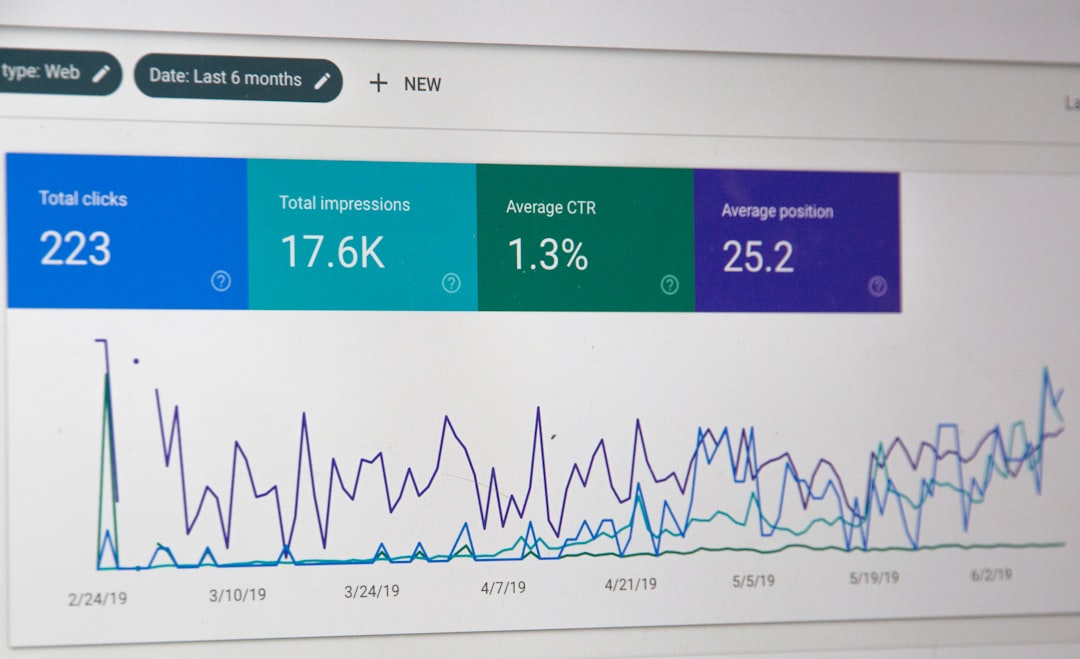
- Choose Lightspeed if the restaurant values inventory control, reporting, and data-driven decision-making.
Final Verdict
Toast is often the best overall choice for many modern restaurants because it balances usability, restaurant-specific features, and scalability. Square is excellent for smaller businesses that want speed and simplicity, while Lightspeed is ideal for operators who want sharper inventory and performance insights. Aloha POS remains a strong option for larger restaurants and enterprise groups that require advanced configuration and long-term stability.
Before committing, restaurant owners should request demos, compare processing fees, test the interface with staff, and calculate the total cost over at least 12 months. A POS system affects every shift, so the best decision is the one that improves service, reduces friction, and supports profitability.
FAQ
Which POS system is best for small restaurants?
Square for Restaurants is often the best fit for small restaurants, cafés, and food trucks because it is easy to set up, simple to use, and offers transparent pricing.
Is Toast better than Aloha POS?
Toast may be better for restaurants that want a modern cloud-based system with integrated online ordering, handhelds, and marketing tools. Aloha POS may be better for larger or more complex restaurant groups that need enterprise-level customization.
Does Lightspeed work for full-service restaurants?
Yes. Lightspeed Restaurant supports table management, ordering, payments, reporting, and inventory tools, making it suitable for many full-service restaurants.
Which POS has the best inventory tools?
Lightspeed is especially strong for inventory and analytics. Toast and Aloha also offer inventory-related capabilities, but Lightspeed is often favored by operators focused on food cost control and reporting.
What should restaurants check before choosing a POS?
Restaurants should compare software fees, payment processing rates, hardware costs, contract terms, support quality, integrations, training needs, and whether the POS fits their service style.